UCLA's Groundbreaking Pilot Project Transforms Campus Waste into Hydrogen Fuel
UCLA engineers launch an innovative pilot project transforming campus waste into hydrogen fuel, showcasing the potential for clean energy solutions.
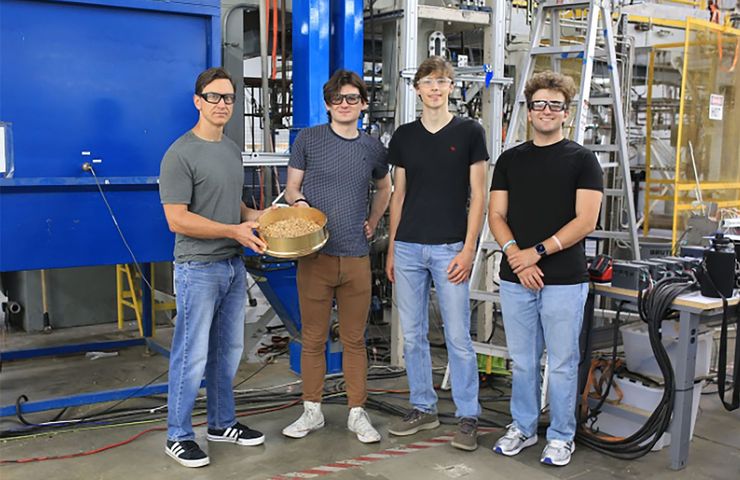
Researchers at the UCLA Samueli School of Engineering have embarked on an innovative pilot project designed to convert campus biomass waste into hydrogen fuel. The work is a collaborative effort with climate-technology company Mote, Inc., and it pairs waste-management goals with an experimental route to low-carbon energy production.
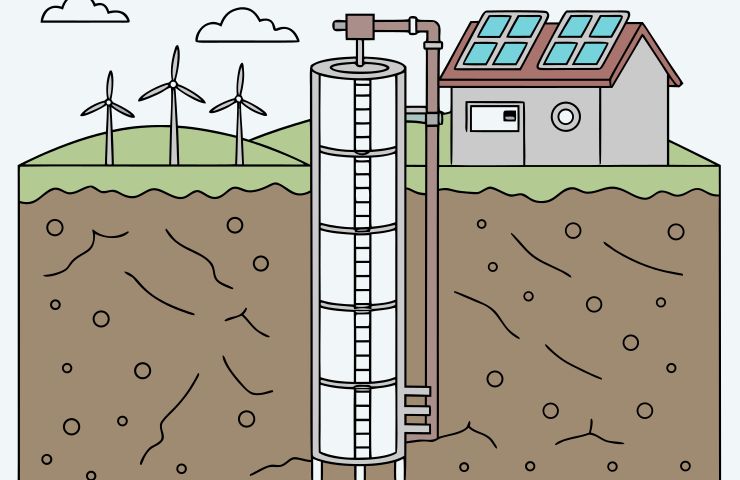
At its core the project uses materials that already exist on campus. Food scraps and plant trimmings — the sort of compostable waste that would otherwise be hauled to landfills — are being fed into a system meant to extract useful fuel and manage emissions. Rather than treating organic refuse solely as waste, the program treats it as feedstock for hydrogen production, with an added aim of capturing the carbon dioxide generated in the process for geological storage.
What This Means
The implications are threefold. UCLA's initiative is not just about generating hydrogen fuel; it aims to reduce waste, produce sustainable energy and remove carbon. The project is estimated to process around 7 tons of biomass waste daily. That scale, the team says, could generate enough hydrogen to potentially power a portion of UCLA’s electricity needs, supporting various campus energy applications and reducing reliance on fossil fuels.
Those three goals — waste reduction, sustainable energy production and carbon removal — are pursued together rather than in isolation. Converting organic material into hydrogen changes where emissions occur and how they are managed; capturing the carbon dioxide that results and compressing it for geological storage is meant to prevent those emissions from returning to the atmosphere. If the system achieves those aims in practice, it would demonstrate a linked approach to two persistent problems: the disposal of organic waste and the decarbonization of energy supply.
The Technology: The Magic Ingredient
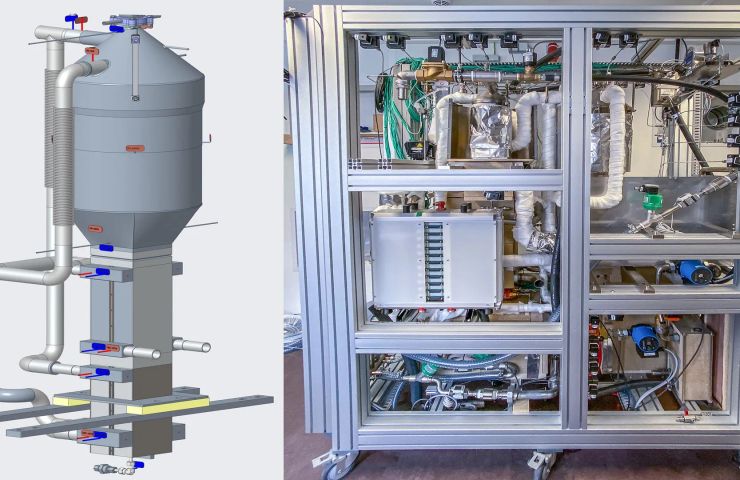
The technical backbone is biomass gasification, a thermochemical process that transforms solid organic materials into a gas mixture known as syngas. Syngas mainly contains hydrogen and carbon monoxide. From there, the project applies advanced gas cleaning and hydrogen purification methods so that the gas becomes usable hydrogen for energy applications.
Mote's platform plays a specific role in the emissions side of the equation. It captures and compresses the carbon dioxide produced during gasification, aiming for long-term geological storage. The intention is to demonstrate both a route to hydrogen and a method of carbon removal in parallel rather than accepting carbon dioxide as an unavoidable byproduct.
The approach highlights a circularity in campus operations: organics that would otherwise add to landfill volumes are rerouted into an energy-production pathway, and the accompanying carbon emissions are captured rather than vented. Implementing that vision requires careful process control; the conversion hinges on maintaining feedstock quality, optimizing production efficiency and establishing robust verification for the carbon capture and storage elements.
Those practical challenges are not incidental. Feedstock quality affects the gasification chemistry and the composition of the syngas. Production efficiency determines how much hydrogen can be recovered from a given mass of organics. And verification of the carbon capture and storage process is necessary to substantiate any claims about net removals or emissions reductions. The project notes these hurdles explicitly as areas that need reliable solutions before larger-scale deployment.
Strategic Angle
UCLA's pilot sits within a broader institutional push toward sustainability and carbon neutrality across campus operations. The project has been under testing since early 2026, allowing researchers and partners to collect operational data and evaluate performance under real-world conditions.
It also benefits from collaborations with federal and state initiatives. The project has been developed in concert with the U.S. Department of Energy, which acknowledges the importance of carbon-removal technology and awarded Mote $7 million for related projects. At the state level, California policies, such as SB 1383, encourage organic waste diversion — a regulatory backdrop that directly aligns with the pilot’s feedstock and disposal objectives.
Those policy and funding alignments create an environment that could make pilots like this more tractable. Funding helps move prototypes beyond laboratory demonstrations, while regulatory incentives make it easier for institutions to prioritize organic diversion pathways. Together they form a practical framework for testing coupled systems that link waste and energy outcomes.
Zooming Out
The hydrogen sector has long wrestled with barriers such as transportation and infrastructure costs, and with emissions tied to conventional production methods. This pilot reimagines some of those constraints by integrating waste management with hydrogen production and carbon removal. If the process performs as intended at the pilot scale, it could point to new pathways for producing hydrogen in settings where organic waste streams are abundant.
That potential is not presented as a guaranteed outcome. The team explicitly frames the work as a pilot — an experimental test of concepts that require validation. Should results prove promising, the model could be replicated in other institutional settings where there is a reliable stream of compostable material. Urban centers, universities and large campuses are examples where the basic inputs exist, but the pilot must first resolve the technical and verification challenges it has identified.
Importantly, the project’s ambitions intersect with multiple policy goals at once: reducing landfill volumes, expanding low-carbon energy sources and demonstrating carbon removal methods. By addressing these objectives together, the pilot aims to create a replicable example of how local initiatives can contribute to broader decarbonization efforts without relying solely on off-site renewables or long-distance hydrogen logistics.
For now, the work remains in the testing phase on UCLA’s campus. The researchers and their partners are gathering the operational data needed to assess not just hydrogen yields but also the life-cycle implications of feedstock handling, gas cleaning, hydrogen purification and carbon compression for storage. That data will determine whether the pilot can move beyond demonstration and toward broader application.
Final Shot
This pilot at UCLA is more than a technical experiment; it is an attempt to rethink the relationship between waste streams and energy systems. As the project progresses, it will test whether combining biomass gasification, hydrogen purification and carbon capture can deliver measurable reductions in both waste and emissions while producing useful energy. The outcome will offer a clearer picture of how local initiatives might scale into practical tools for campus sustainability and, possibly, for other places where organic waste and energy needs collide.