Abergeldie Unveils Underground Hydrogen Storage Patent—A Quantum Leap for Clean Energy
Abergeldie Complex Infrastructure patents a new underground hydrogen storage system, revolutionizing how hydrogen can be stored efficiently and sustainably.
Abergeldie Complex Infrastructure has taken a notable step in the hydrogen sector by securing a US patent for an underground hydrogen storage system. The patent covers an approach that, if deployed at scale, could change where and how hydrogen is stored by moving large volumes below ground rather than keeping them in conventional above-ground vessels.
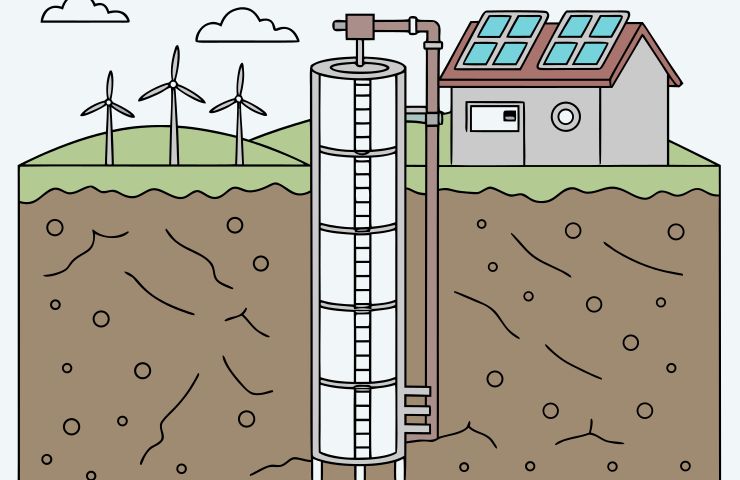
The storage concept is aimed squarely at a core challenge for the hydrogen economy: managing hydrogen produced from renewable sources in a way that is both practical and reliable. Conventional options typically rely on large above-ground tanks that carry significant land, cost and safety considerations. Abergeldie’s design instead stores hydrogen in engineered vertical shafts drilled below the surface, a method intended to improve pressure management while reducing the surface land footprint required for storage.
The Technology: A Bold Move Forward
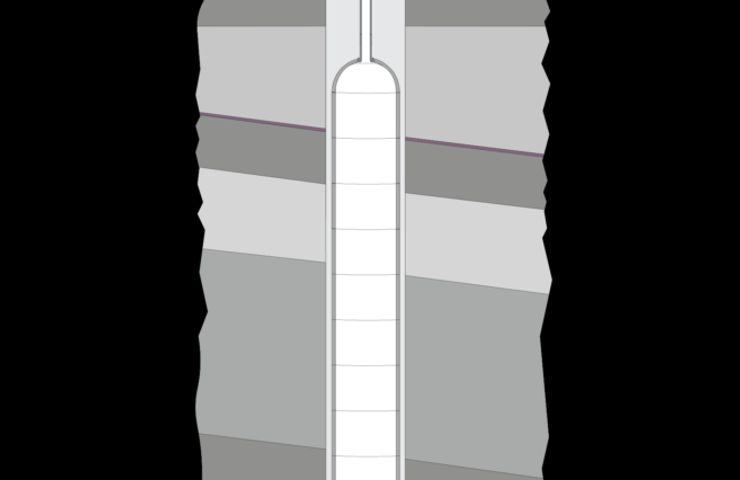
The system has been developed by Ardent Underground, a division of Abergeldie, and is built around a patented construction process for blind-bored shafts. These are large-diameter shafts that are lined with steel and intended to hold hydrogen within a controlled subterranean volume.
Each shaft is described as having a design capacity of up to 150 tonnes of hydrogen. The concept relies on the surrounding rock to provide structural support, while the steel liner provides a gas-tight barrier to help maintain hydrogen purity. The mechanism draws on established civil-engineering techniques and repurposes those methods for storing a gaseous energy carrier rather than more typical underground uses.
The Benefits: Environmentally Sustainable and Economically Viable
Abergeldie’s underground approach aims to deliver both environmental and economic benefits. By shifting storage below grade, production facilities tied to intermittent renewable sources could run with greater continuity, smoothing the mismatch between when electricity is available and when hydrogen is needed. That continuity has the potential to lower per-unit storage costs by improving utilization of production assets.
Storing hydrogen in vertical shafts also reduces the amount of surface land required compared with many above-ground tank installations. That smaller surface footprint could make it easier to place storage closer to production sites or demand centers, and it may expand the range of locations where large-scale hydrogen hubs can be sited. In particular, the design is presented as an alternative for regions that lack traditional geological storage features such as salt caverns or depleted reservoirs.
Real-World Application: A Vision of Integration
The possible applications for the patented system range across project types that combine renewable generation, electrolysis-based hydrogen production and local distribution. Abergeldie has discussed collaborative opportunities with organizations such as Energy Estate, with the aim of deploying the shafts in projects including the Hunter Hydrogen Network in New South Wales. That project is framed as an integrated ecosystem for renewable energy, hydrogen production and transport, with Ardent Underground’s storage approach identified as a potential component.
At the same time, the company has not yet verified an operating facility based on this specific technology. Conversations about the Hunter Hydrogen Network and other potential sites remain ongoing, indicating that the system is still in a phase where planning, partnerships and site selection are active steps toward eventual deployment.
Strategic Angle: A Perfect Storm of Innovation and Support
The timing of the patent aligns with growing policy attention on hydrogen as a clean energy vector. In Australia, national-level frameworks such as the National Hydrogen Strategy set targets and signal support for hydrogen production and storage as part of a broader energy transition. Abergeldie’s patent positions the company to participate in an expanding market that is receiving both public-policy focus and private investment interest.
Partnerships are central to the pathway from patent to plant. By working with like-minded organizations and prospective project partners, Abergeldie could secure the operational and financial backing required to move from demonstration and planning into construction and commissioning. The company’s patent gives it a defined technological position as those collaborations progress.
Zooming Out: The Bigger Picture
Globally, the drive to decarbonize electricity and transport is increasing demand for mechanisms to store energy produced at times of surplus generation. Storing hydrogen underground introduces an alternative that seeks to balance several competing priorities: preserving hydrogen quality, managing storage pressures safely, and using land efficiently. The Ardent Underground concept addresses those priorities in a single engineered solution designed for integration with renewable generation and electrolytic production.
For jurisdictions that expect green hydrogen demand to rise, an underground option could broaden the range of viable locations for storage and increase flexibility in how supply chains are organized. That flexibility may matter most in regions where traditional geological storage options are limited or absent, since the vertical-shaft approach does not rely on specific natural formations such as salt caverns.
Final Shot: An Inspiration for the Clean Energy Future
Abergeldie’s patent is being presented as more than a technical achievement; it is framed as a strategic asset that could enable different patterns of hydrogen development. Whether realized at scale will depend on the next stages of project planning, partner commitments and the practical demonstration of the system in operational settings. If those steps follow, the underground storage concept could become one of several complementary approaches helping to manage hydrogen produced from intermittent renewable sources and support broader decarbonization goals.
For now, the company’s move into subterranean storage design signals a willingness to adapt civil-engineering practice to the needs of a growing hydrogen economy. That adaptation may prompt other developers and policymakers to consider a wider set of storage alternatives as they plan hydrogen infrastructure for the coming decades.