Nippon Steel Advances Hydrogen Direct Reduction Technology in Pilot Testing
Nippon Steel successfully completed over 300 hours of continuous test production using 100% hydrogen, producing more than 1,000 tonnes of direct reduced iron from lower-grade ore.
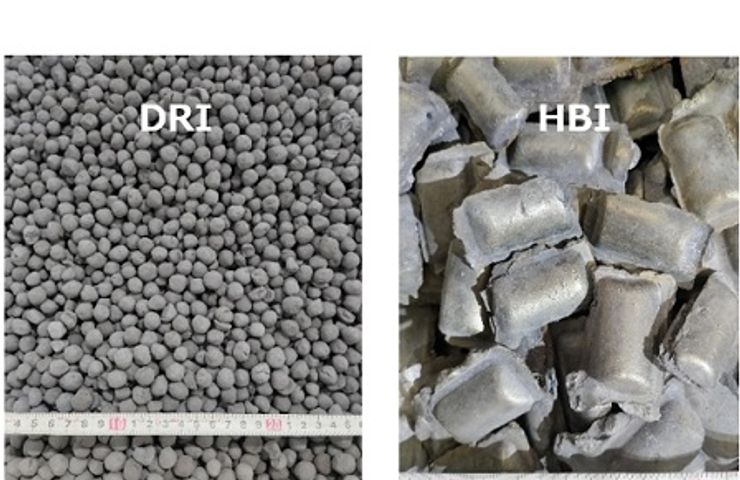
Nippon Steel Corporation recently announced a significant milestone in its pursuit of low-carbon steel production. At its Hasaki Research & Development Center in Kamisu, Ibaraki Prefecture, the company successfully completed over 300 hours of continuous testing using 100% hydrogen as a reducing agent to produce more than 1,000 tonnes of direct reduced iron (DRI) from lower-grade blast-furnace-grade iron-ore pellets.
Technical Innovations and Challenges
The pilot-scale test primarily aimed to address two substantial technical challenges: the endothermic nature of hydrogen reduction, which can lead to lower temperatures in the furnace, and the tendency of lower-grade ore to powder during the reduction process, which can disrupt gas flow and process stability. Nippon Steel reported that they employed thermal compensation technology and operational methods designed to suppress powder formation, thus achieving stable operation during the test.
Implications for the Steel Industry
The implications of this breakthrough are significant, particularly considering that iron ore reduction is the most carbon-intensive stage of traditional steelmaking processes. The environmentally beneficial aspect of the hydrogen direct reduction method is considerable; compared to conventional steel production, which relies on carbon, hydrogen reduction primarily produces water vapor, pending that the hydrogen itself is sourced from low-emission methods.
NEDO, the New Energy and Industrial Technology Development Organization in Japan, is supporting this initiative under its Green Innovation Fund. Nippon Steel, in collaboration with JFE Steel Corporation and the Japan Research and Development Center for Metals, is progressing on this project. Although the current tests have shown promising results, the technology is still in the experimental phases and requires further trials for commercial viability.
Future Prospects
Nippon Steel emphasizes that while the pilot test marks a crucial step in technology development, the journey towards commercial-scale hydrogen steel production is ongoing. The company plans to scale up its operations starting from fiscal 2027, with a goal to implement the technology around 2040. This timeline reflects a realistic approach to addressing the numerous key unanswered questions about reliability, productivity, capital costs, and how product quality can be maintained at an industrial scale.
Carbon Neutral Vision by 2050
This pilot test aligns with Nippon Steel's broader Carbon Neutral Vision 2050, which targets a 30% reduction in total CO2 emissions by 2030 from 2013 levels. The company aims to achieve complete carbon neutrality by 2050. The technology pathways being pursued include not just hydrogen direct reduction but also hydrogen injection into blast furnaces and high-grade steel production through large electric arc furnaces.
Conclusion
This recent development demonstrates the innovative efforts underway within the steel industry to transition towards more sustainable practices. While the current test results indicate progress, the path to commercialization will require careful scaling, robust economic evaluations, and proving technical reliability. As Nippon Steel continues to advance its hydrogen direct reduction technology, it represents a critical step toward the future of low-carbon steelmaking.