Green Hydrogen Production Leap with LG Chem’s Low-Iridium PEM Electrode
LG Chem’s new PEM electrode halves iridium use and more than doubles durability, promising cheaper, scalable green hydrogen through interface-stabilization technology.
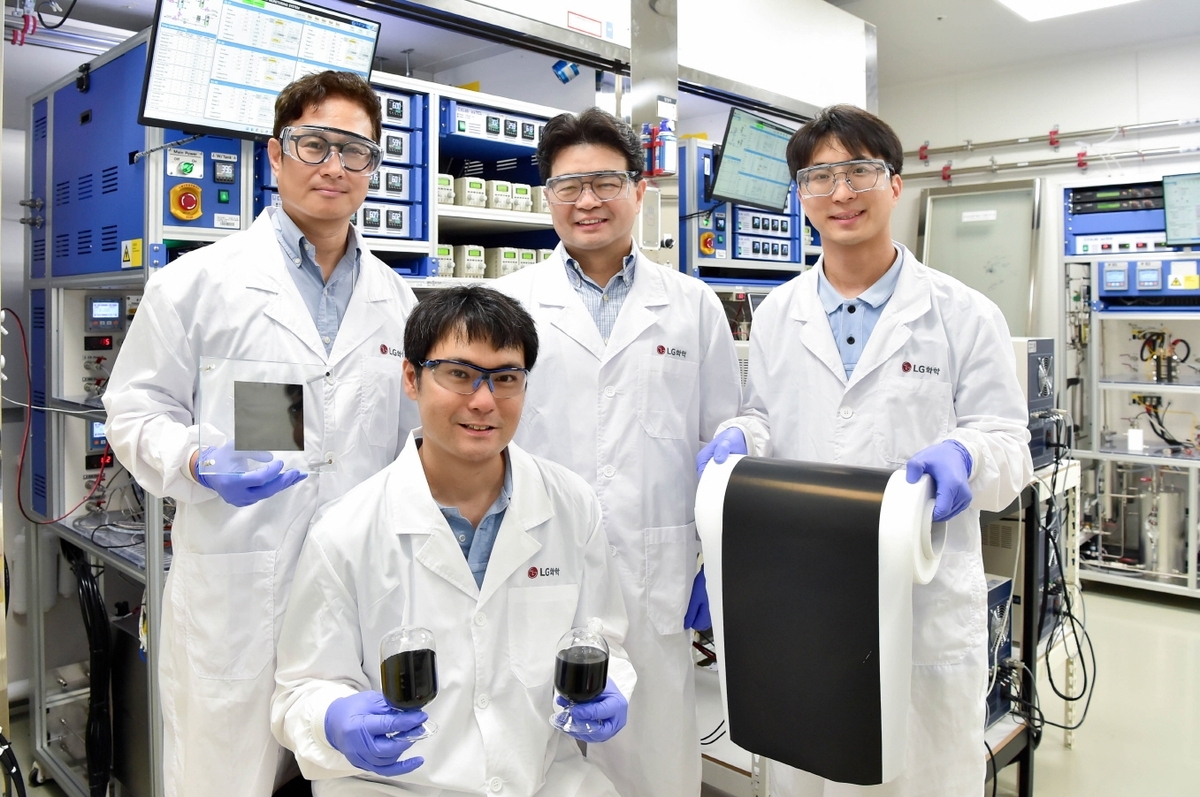
Get ready for a big shift in the world of green hydrogen! Have you ever found yourself scratching your head over why green hydrogen is still a bit pricey and not exactly everywhere? Well, let me tell you, LG Chem is breaking down those barriers with an exciting new innovation! They've just unveiled a cutting-edge PEM water electrolysis electrode that could more than double its stable operating time while slashing the use of iridium by more than half. And trust me, this isn’t just another sales pitch—this is serious progress in hydrogen production that’s ready to roll!
Picture this: an electrolyzer that not only works harder but also lasts longer, all without the heavy financial hit from precious metals. This isn't just wishful thinking; it’s exactly what the new electrode aims to accomplish. If it proves itself on a larger scale, we could be on the brink of making clean fuel more affordable and available to everyone.
The news broke recently, making waves not just in Seoul, but also catching the eye of electrolyzer manufacturers and clean-energy investors who are eager for reliable, cost-effective solutions. With the global demand for hydrogen set to double or even triple in the next decade, innovations like this could be just what we need to kickstart a fully functioning hydrogen economy.
What This Means
We all know that proton exchange membrane (PEM) electrolysis has a stellar reputation for efficiency and quick response to renewable energy sources. However, it’s faced a couple of significant obstacles that have slowed it down:
Many breakthroughs in catalyst design fizzle out when they can’t shift from tiny lab samples to full-blown industrial electrodes. That’s where LG Chem comes in. Their new anode, developed alongside KIST senior researcher Ko Jae-hyun, aims to tackle both of these barriers head-on:
These developments could lead to fewer replacements, lower upfront costs, and reduced reliance on iridium supplies—a crucial step for scaling up green hydrogen production on a global scale.
The Technology: Interface Stabilization Magic
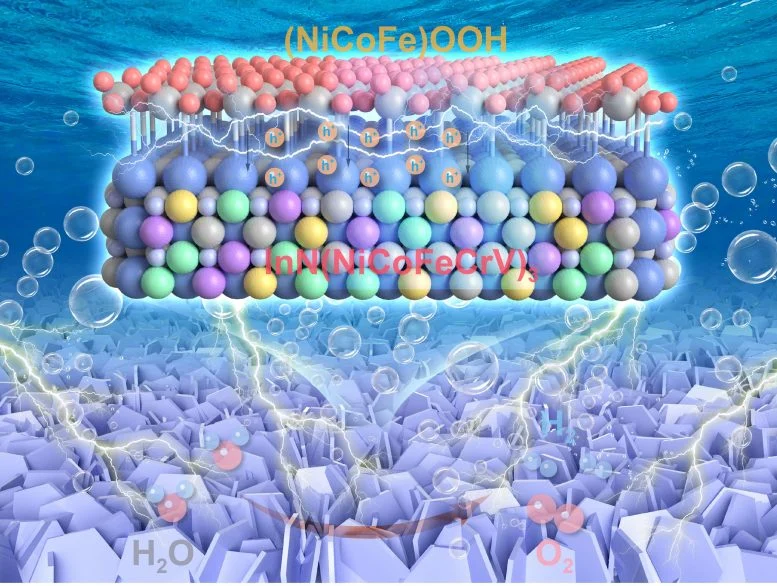
The secret sauce behind this breakthrough? A protective coating applied at the atomic level where the iridium catalyst meets the ionomer and the membrane. In typical PEM electrodes, this junction can become a hotspot for problems: LG Chem has created a coating that:
Think of it like a protective shield that allows for less iridium usage while still enabling the electrode to run hotter and longer. This dual-interface stabilization is even backed by a recent peer-reviewed paper in Nature Communications, which adds some solid scientific credibility to their claims.
Real-World Validation
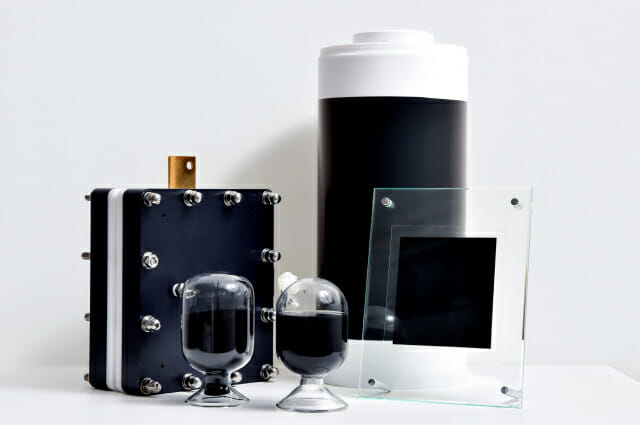
Actions speak louder than words, right? That’s why it’s important that LG Chem has successfully produced large-area electrode sheets and validated performance under industrial-like conditions. The team performed extensive tests at high current densities—typical for multi-megawatt electrolyzers—and found stable operation for hundreds of hours without significant degradation.
These results suggest that the electrode isn’t just another lab experiment; it’s genuinely ready for real-world application. By transitioning from single-cell tests to full-scale demonstrations, they’ve crossed a crucial hurdle—making it manufacturable. Device manufacturers can now start looking into integrating this low-iridium anode into commercial systems, paving the way for the next generation of hydrogen technology.
Strategic Angle
This isn’t just a random breakthrough; it’s part of a larger strategy aligning corporate research, public science, and favorable policy support:
With iridium supply chains facing pressure and precious metal prices fluctuating, any advancement that halves the demand for iridium while enhancing durability hits a sweet spot. It aligns beautifully with global goals for critical mineral security and promotes the green energy transition.
Zooming Out
Let’s keep it real—green hydrogen has been lingering on the edge of fulfillment for quite some time. The benefits of zero-emission hydrogen are clear, but infrastructure and production costs have often been the deal-breakers. Centralized electrolyzer setups require huge amounts of capital and long lead times, and every cycle of replacement chips away at project viability.
That’s where this interface-stabilized anode steps in. By cutting catalyst costs and extending life, it makes distributed electrolyzer deployments more practical—think on-site hydrogen production for refineries, steel mills, power plants, or even remote locations. Lowering the levelized cost of hydrogen could stem from:
If other material suppliers follow in LG Chem’s footsteps, we might witness some serious shifts in the hydrogen infrastructure landscape—think new electrolyzer factories, revamped cost models, and bolder clean-hydrogen targets.
Wider Impacts
This innovation doesn’t just stop at the lab; it packs a real punch for the environment, the economy, and policymakers:
These ripple effects could spark a more aggressive push towards clean hydrogen targets and accelerate investment in electrolyzer manufacturing globally.
Final Shot
This is no theory; it’s a tangible step forward! By pairing increased durability with reduced iridium use, LG Chem is lighting the way to more affordable, dependable, and scalable hydrogen production. The next chapters will be penned by original equipment manufacturers (OEMs) and industrial end-users who integrate these electrodes into multi-stack systems, followed by comprehensive field trials.
Are you excited for hydrogen to finally deliver on its promise? Keep an eye out for these interface-stabilized electrodes. They have the potential to transform the economics of clean energy and propel the widespread adoption of green hydrogen!