Electrochemical Ammonia Cracking Boosts Hydrogen Production Efficiency
MIT researchers unveiled an electrochemical reactor combining a ruthenium catalyst, palladium membrane and molten hydroxide cell to crack ammonia into pure hydrogen at 200–300°C without separate purification.
Researchers at MIT have made a significant breakthrough by developing an electrochemical method to extract high-purity hydrogen directly from ammonia at temperatures between 200–300°C. That’s a big deal since traditional thermal cracking typically requires a scorching 500°C. Their findings, recently published in Nature, combine catalytic dehydrogenation with on-the-spot separation, using electricity to pull hydrogen atoms through a palladium-based membrane into a molten hydroxide electrolyte chamber. This compact reactor design means we can get pure H₂ without needing an entire separate purification system. This innovation could really enhance hydrogen production from ammonia carriers, making it useful for everything from fuel cell technology to efforts aimed at cutting down industrial emissions.
Revolutionizing Reactor Design
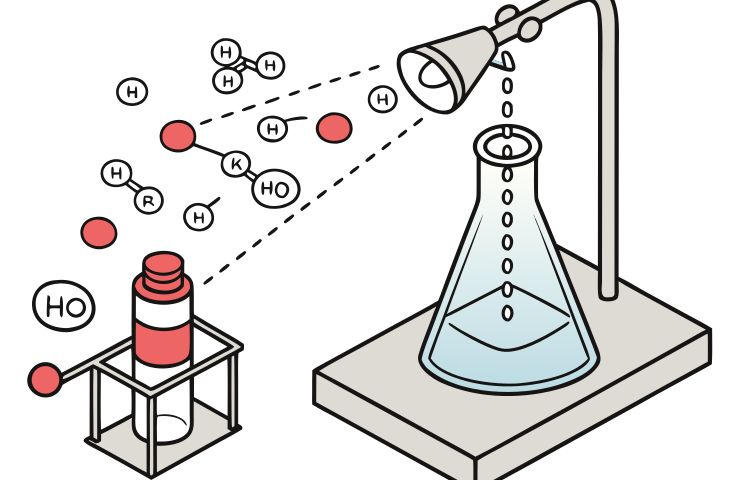
Traditionally, ammonia cracking systems heat NH₃ over a catalyst at temperatures often above 500°C, generating a mixture of H₂, N₂, and leftover ammonia that requires additional processing to separate. But here’s where MIT’s method shines: ammonia first flows over a specially designed ruthenium-cesium catalyst, which lowers the activation energy needed to break those N–H bonds and releases hydrogen at cooler temperatures. As hydrogen is formed, it encounters a thin palladium foil that separates the reaction zone from the electrochemical cell. Now, palladium is great because it allows hydrogen atoms to pass while blocking nitrogen molecules and remaining ammonia. On the other side, applying voltage across a bed of molten hydroxide electrolyte creates an electrochemical vacuum. That leads to hydrogen atoms splitting into protons and electrons; the protons move through the electrolyte, and the electrons travel through an external circuit, recombining on a second electrode to release pure, pressurized hydrogen gas. This continuous extraction technique essentially tweaks the ammonia decomposition reaction, allowing for quicker conversion and doing so with far less heat than traditional methods.
Unlocking Ammonia’s Hydrogen Potential
Let’s think about it: ammonia is already moving through a vast global network of fertilizer terminals, tankers, and storage depots—which means a lot of infrastructure is ready to be repurposed for energy. Unlike cryogenic liquid hydrogen, ammonia can liquefy under moderate pressure and stays stable at room temperature, which makes it much easier to transport over long distances. However, the high cost of converting ammonia back into clean hydrogen has held it back. By integrating the separation process into the reaction step, this new electrochemical setup reduces energy consumption, lowers capital costs, and trims down maintenance needs. This could pave the way for ammonia-based green hydrogen supply chains, especially in areas where deploying large electrolyzers isn't practical or grid capacity is lacking.
Just imagine small coastal ports importing low-carbon ammonia and using compact conversion units to provide pure hydrogen to nearby industries or remote islands using modular reactors to power microgrids and hydrogen fuel cell ferries. That level of flexibility relies on every step—from feedstock to fuel cell—being as efficient as possible.
Business and Strategic Implications
When it comes to the total cost of ownership for hydrogen-powered applications, converting feedstock can make up as much as 60% of operational expenses. By cutting the temperature requirement down from over 500°C to around 200–300°C, this MIT reactor notably decreases thermal energy demand. That can lead to lower fuel bills or reduced electricity costs, especially if waste heat is captured. Combining cracking and purification into a single unit also simplifies system complexity, which can help slash capital expenses. For ammonia exporters, this opens up a new avenue of value—selling not just a chemical but a near-ready hydrogen delivery solution. Partnerships might form between terminal operators, renewable ammonia producers, and local utilities to bundle supply, conversion, and even compression services into a single offering.
Deployment in industries like heavy-duty trucking or chemicals manufacturing—where high-purity hydrogen is crucial—could really accelerate if conversion costs become more favorable. Plus, as carbon pricing comes into play in more regions, integrated solutions that lower emissions throughout their life cycle will become even more appealing to investors and buyers alike.
Technical and Regulatory Challenges
But it's not all smooth sailing. Despite its potential, the electrochemical reactor faces some tough challenges in the real world. The palladium membrane must hold up against constant hydrogen flow and exposure to ammonia, which can make metal surfaces brittle over time. While ruthenium-based catalysts are effective, they can be pricey and might need regular replacement or regeneration. Plus, figuring out how to integrate these cells with compression modules, heat recovery units, and safety mechanisms complicates the design. Regulatory frameworks for handling ammonia—considered hazardous under many rules—also require strict leak detection, ventilation, and emergency response protocols. And there’s the matter of establishing policy clarity around low-carbon ammonia certification and hydrogen offtake agreements, which will be essential for commercial success.
On the sustainability side, the electricity powering the electrochemical cell should ideally come from renewable sources to achieve true clean hydrogen production. Regions dependent on carbon-heavy grids could see limited benefits unless paired with additional decarbonization strategies.
Extending the Platform
A fascinating outcome of this research is its applicability to other hydrogen carriers. The team demonstrated a similar dehydrogenation-and-separation process using methylcyclohexane, a liquid organic hydrogen carrier known for its effective heat-of-dehydrogenation metrics. This opens doors for a wider platform for clean hydrogen production from various carriers—be it ammonia, amine solutions, or innovative chemical vectors. If project developers can create modular systems that switch between feedstocks, they’ll have more flexibility to adjust to market changes in carrier availability or price shifts. Some designs might even retrofitting existing electrolysis or pyrolysis plants with membrane-electrolyte modules, resulting in hybrid systems that can handle several carrier chemistries and reduce upfront costs by maximizing current assets.
Looking Ahead
So, what’s next for this technology? There’s going to be a lot of rigorous testing on durability, scaling up the membrane-electrolyte modules to pilot levels, and demonstrating continuous operation in real-world conditions. Coupling the reactor with ammonia bunkering systems at ports, or embedding it within industrial parks, will help assess its readiness for integration. If the challenges are met and safety, cost, and performance targets align, we might soon see a new class of decentralized conversion units transforming ammonia import terminals into pure hydrogen distribution hubs. This shift could bring high-purity hydrogen much closer to sectors that need it most, from sustainable energy microgrids to plans aimed at industrial decarbonization.
Why All of This Matters
As we piece together the hydrogen infrastructure puzzle, innovations that rethink how reactors work can make a significant impact. By combining catalytic dehydrogenation with immediate purification, MIT’s electrochemical approach not only reduces heat requirements but wipes out an entire processing step. In the end, this kind of integration makes hydrogen production more agile, cost-effective, and scalable, bringing us closer to a reliable zero-emission energy network.