Spain Advances Hydrogen Infrastructure with Initial Backbone Permitting
Spain’s government and Enagás have begun formal permitting for the first sections of a 2,600 km renewable hydrogen backbone, marking a move from planning to regulated infrastructure development in support of green hydrogen production and export.
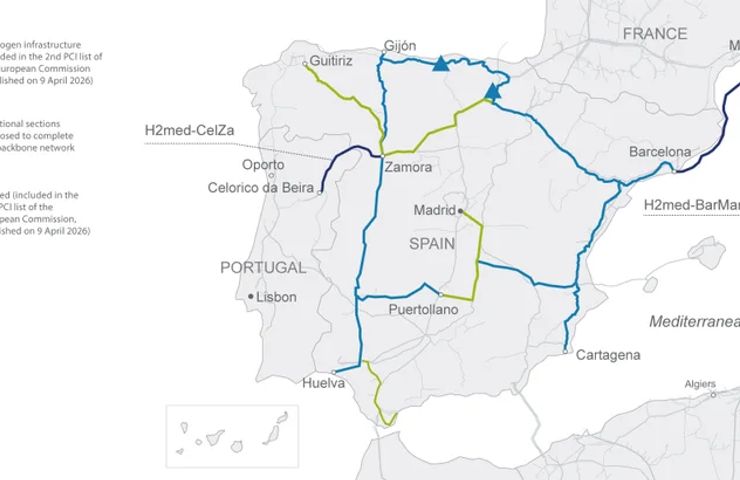
Spain’s government is gearing up to kick-start the administrative processing for its national renewable hydrogen backbone, which is a big step forward for one of Europe’s key hydrogen infrastructure projects. Prime Minister Pedro Sánchez shared this update during the launch of Moeve’s Andalusian Green Hydrogen Valley on September 17, 2026, confirming that the processing for the initial PCI-designated backbone sections is about to begin. This news is significant not just for the backbone itself but also for the wider necessity of integrated transport networks to link up things like electrolysers, storage facilities, and industrial users—essential pieces of the puzzle in the evolving landscape of clean hydrogen energy.
Early regulatory milestone amid active filings
Now, this public announcement marks the start of what could be a new chapter in hydrogen news, but the groundwork was already being laid before this moment. Enagás has plans to seek approvals for four initial backbone corridors that are meant to streamline permitting and possibly get a boost from the Connecting Europe Facility. Still, the timeline for these approvals remains a bit murky, and we can expect applications for the remaining segments to roll in over the coming months—likely stretching out the excitement from the initial announcement.
Defining the hydrogen infrastructure network
The backbone is proposed to span roughly 2,750 kilometers of dedicated hydrogen pipelines cutting through Spain’s main industrial zones, like the Cantabrian Coast, Ebro Valley, Levante, and the Vía de la Plata. It’ll even connect with the Puertollano Hydrogen Valley. The plan is carefully thought out, taking into account the unique properties of hydrogen to avoid potential problems like embrittlement. Plus, they’re eyeing underground hydrogen storage in subsurface salt caverns across Cantabria and the Basque Country. This network aims to be part of the bigger picture, linking up with the H2med corridor that has ties to Portugal and France, which will ease the flow of green hydrogen to markets in central Europe—but that’ll depend on some further analysis and investment decisions.
Strategic rationale behind the backbone
Spain’s commitment to this hydrogen infrastructure showcases its ambition to embrace economies of scale, reduce project fragmentation, and build efficient supply chains for industries that are tough to electrify. By connecting water electrolyser hubs, storage facilities, and key industrial players, the goal is to stabilize pricing and create a thriving ecosystem for the manufacturing and maintenance of hydrogen equipment. Industries like refining, chemical synthesis, fertilizer production, and heavy transport stand to gain a lot from having access to hydrogen when they need it, rather than being stuck with isolated logistics. The integration of these systems is all about making green hydrogen production more competitive against traditional fossil fuels.
Financing, technical, and market challenges
Setting up a national hydrogen backbone isn’t a walk in the park. It requires a careful balancing act between public and private financing, all while relying on supportive regulatory conditions and solid offtake agreements. Spain has pledged public support for renewable hydrogen projects, but to attract the necessary investment, pipeline developers need to nail those supply and demand agreements. On the technical side, there are challenges in ensuring that the materials used in pipelines can handle hydrogen and preventing leaks. Market-wise, operators must find a sweet spot between the costs of building the network and the prices of electrolysers, along with securing commitments from industrial buyers. European auditors are raising a flag, warning that misaligned forecasts could mean these pipelines end up as stranded assets.
Regulatory horizon and next steps
With administrative processing for the initial segments on the horizon, stakeholders are bracing themselves for what could be a complicated permitting process involving both national and European authorities. Expect public consultations to play a role in fine-tuning routes, keeping environmental protections in check, and locking down local land-use agreements. Once approvals are in hand, Enagás will jump into front-end engineering and design (FEED) studies to hammer out technical specs and consider how to integrate with existing systems. Ongoing efforts will also mean crafting tariff models and negotiating cross-border connection capacities within the H2med corridor. Ultimately, final decisions on investment will hinge on sealing the right offtake deals with industrial partners and understanding export capacity utilization—right now, there aren’t any hard timelines for construction.
Why this matters to the hydrogen industry
This milestone in administrative processing shines a spotlight on how critical regulated transportation infrastructure is for moving towards a sustainable hydrogen ecosystem. For those in the electrolyser manufacturing and renewable development spheres, a robust backbone means promising prospects for expanded capacity and project financing. Industrial users, including chemical parks and steelworks, could find themselves benefiting from reliable access to competitive hydrogen supplies, steering clear of logistical headaches. Investors and policymakers will be keeping a close eye on how this network develops, as it could position Spain as a major player in exporting green hydrogen while also propelling broader EU decarbonization efforts.
Looking ahead to a hydrogen future
As the administrative processing gets into gear, the hydrogen community is keenly anticipating updates on offtake agreements and approvals. The success of this ambitious network is expected to hinge on aligning green hydrogen production with storage capabilities and the market adoption of hydrogen technologies. If all goes well, Spain's model could serve as a blueprint for other regions looking to replicate this success. Analysts will be on the lookout for how these developments shape the competitiveness of hydrogen strategies. Ultimately, the aim is to convert planning milestones into real, operational frameworks, proving that investments in hydrogen infrastructure can significantly cut carbon emissions and boost local economies.