Hydrogen Infrastructure: Uniper Secures Phase 1 Commitments for Wilhelmshaven Ammonia-to-Hydrogen Terminal
Uniper’s Phase 1 open season completion for the Wilhelmshaven ammonia-to-hydrogen terminal secures market support for a 2.6 Mt/y ammonia import hub, paving the way for 350 kt/y hydrogen.

Uniper SE has wrapped up Phase 1 of its open season for the ammonia-to-hydrogen import terminal planned at Wilhelmshaven. They've managed to secure enough binding capacity reservations and expressions of interest from various industrial and trading partners to move forward to Phase 2. This is a significant step for the project, which aims to create a modular facility capable of importing up to 2.6 million tonnes of clean ammonia each year as a hydrogen carrier—equating to about 350,000 tonnes of pipeline-grade hydrogen.
Open seasons are a pretty standard move in the industry when it comes to gauging demand and hammering out commercial terms before diving into major spending on infrastructure. In this case, Uniper reached out to market players to reserve storage, throughput, and cracking capacity in its envisioned terminal. Over several months, participants secured slots across different berths and storage modules, giving Uniper valuable insight into long-term off-take volumes, pricing, and how risks will be distributed. Completing Phase 1 shows that market players are ready to support ammonia-based hydrogen imports under current EU support frameworks and the evolving hydrogen policies in Germany.
Market Implications
The layout of the terminal allows for a gradual increase in capacity: it can initially manage several hundred thousand tonnes of ammonia, with room for expansions that add more berths and storage, eventually reaching that 2.6 million-tonne mark. The cracking units will turn ammonia back into hydrogen and nitrogen, producing up to 350,000 tonnes of hydrogen annually. At this level, the hub could meet about 10–20% of Germany’s projected hydrogen demand by 2030. This assumes, of course, that the demand projections for industrial decarbonization, power generation, and mobility sectors actually pan out. By diversifying hydrogen imports through ammonia, Germany is working to cut down its reliance on pipeline gas, boosting energy security, especially in light of recent supply issues.
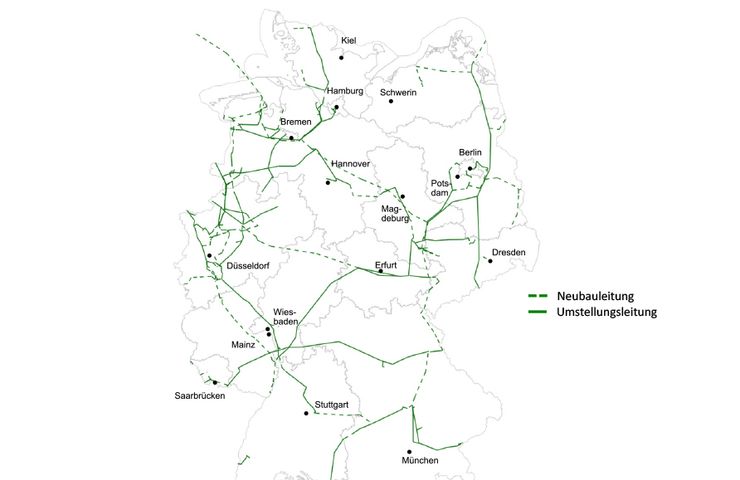
This project also aligns with the EU’s wider hydrogen pipeline network strategy, which aims to connect Wilhelmshaven to inland industrial clusters and cross-border links. Being close to existing LNG jetties and grid interconnections keeps investment costs down and speeds up deployment. For investors, the confirmed Phase 1 reservations help reduce risks associated with cash flows and support financing models that mix utility equity, vendor financing, and public subsidies outlined in Germany’s National Hydrogen Strategy and EU Projects of Common Interest.
Infrastructure and Technology Integration
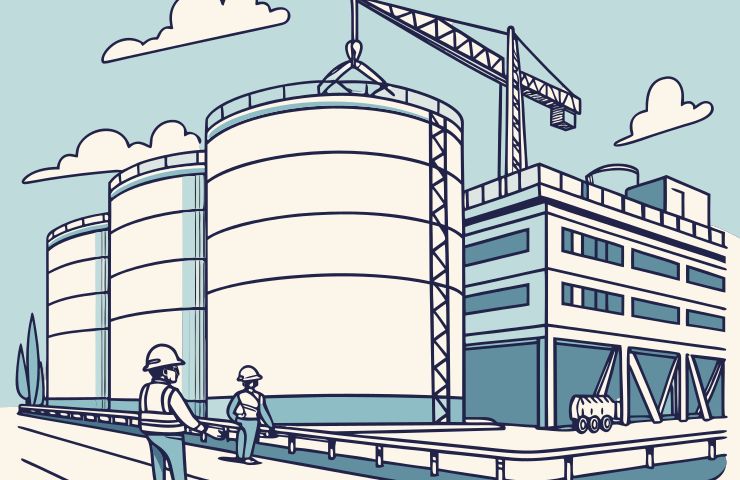
Uniper is looking to make the most of the land next to its LNG terminal. They plan to set up refrigerated tanks for liquid ammonia storage and build high-temperature catalytic cracking units. The design will utilize established ship-to-shore methods and existing deep-water berths, which means less civil work involved. Once cracked, the hydrogen will be purified and compressed for injection into the emerging hydrogen core network, which aims to connect Germany to neighboring markets. Alongside this, a 200 MW proton exchange membrane electrolyser from Electric Hydrogen will produce green hydrogen on-site, with ambitions to eventually scale up electrolysis capacity to around 1 GW.
This hybrid strategy—using imported ammonia alongside domestic electrolysis—lets Uniper adapt its operations based on electricity prices, ammonia supply costs, and network fees. During times when renewable power prices drop, the electrolyser can run at full tilt; if electricity gets pricey, they can rely on converting imported ammonia to keep the supply steady.
Key Partnerships
- Uniper SE: the lead developer integrating ammonia import and hydrogen production.
- Tree Energy Solutions: co-developer of the overall green gases import terminal, including eNG and LNG berths.
- Niedersachsen Ports: the public port authority responsible for upgrading berths, jetties, and marine infrastructure.
- Electric Hydrogen: the tech provider for the initial 200 MW electrolyser plant.
- AM Green: offtake partner contracted to supply up to 500,000 tonnes per year of green ammonia from India.
By forming a strong consortium that brings together expertise in logistics, engineering, and the supply chain, Uniper is aligning port operations with advanced electrolysis and international green ammonia sourcing. The agreement with AM Green also ensures a reliable upstream supply from a 1.3 GW renewable energy-to-ammonia complex, positioning Wilhelmshaven as a key player in an emerging east-west hydrogen corridor.
Technical Snapshot
The process of ammonia cracking involves high-temperature catalysts to break NH3 into H2 and N2, achieving conversion efficiencies of around 75–85%. To get the hydrogen ready for pipeline use, it goes through purification and compression stages, feeding into transmission pipelines operating at 100–200 bar. The on-site electrolyser splits water using proton exchange membranes, delivering high-purity hydrogen with quick ramp-up times—perfect for managing the variability of renewable electricity.
Bringing these technologies together in one hub offers a lot of operational flexibility. If there's a squeeze on ammonia supply, they can ramp up electrolysis; if electricity prices soar, they can keep the supply going through ammonia conversion.
Strategic Outlook
Now that Phase 1 is complete, Uniper plans to negotiate final terminal use agreements and heads-of-terms in Phase 2 of the open season. Securing binding commitments from offtakers will allow Uniper to lock in financing and push forward with the necessary permits. The next steps involve getting safety cases in line, conducting environmental impact assessments, and gaining EU infrastructure approvals. If everything goes well financially, construction of jetties, storage tanks, and cracking units could kick off by the mid-2020s, with the first imports expected around the end of the decade.
Success at Wilhelmshaven could have larger implications: it might spark similar ammonia-based import initiatives across northern Europe, driving economies of scale in shipping, storage, and cracking technologies. Plus, it would test ammonia's viability as a green hydrogen carrier on an industrial scale.
Challenges and Considerations
Even with decent market interest, the project isn’t without its challenges—like regulatory, environmental, and safety hurdles. Ammonia is toxic, so strict handling protocols, leak detection systems, and community engagement are a must. Environmental approvals will need to address potential nitrogen compound emissions and ensure that upstream ammonia production is genuinely low-carbon. The financing structures will hinge on how clear hydrogen certification, carbon pricing pathways, and the stability of policy incentives are.
Moreover, competition from up-and-coming import hubs in the Netherlands and Spain, as well as local renewable hydrogen plants, could play a role in future pricing and usage rates.
Expert Viewpoint
Analysts point out that ammonia-to-hydrogen terminals can act as a hedge against fluctuations in the domestic electricity and gas markets. By connecting to global ammonia markets, project developers can optimize supply costs and better manage price swings. Institutional investors are seeing these binding commitments from the open season as a way to reduce risk, making projects more appealing to banks. However, the long-term success of these initiatives will rely on clear hydrogen certification processes and a supportive policy environment that encourages low-carbon imports while keeping fair competition with local electrolysis projects intact.
For both investors and offtakers, the results from the upcoming Phase 2 open season are set to be a crucial indicator of Europe’s emerging clean hydrogen economy.