Hydrogen Infrastructure Takes Off at French Riviera Airports for Hydrogen-Electric Business Jets
Beyond Aero and Aéroports de la Côte d’Azur are planning phased hydrogen infrastructure—focusing on compressed gas, fixed dispensers, and mobile refueling—at French Riviera airports, setting the stage for hydrogen-electric business jets in the early 2030s.

In the beautiful, sun-kissed landscape of the French Riviera, something is brewing. Beyond Aero and Aéroports de la Côte d’Azur are teaming up to carve out the hydrogen infrastructure needed for a new era: zero-emission business aviation. Instead of launching a flashy new aircraft or marking a groundbreaking flight, this partnership focuses on the practical steps to make hydrogen-electric aviation a reality at airports like Nice Côte d’Azur, Cannes Mandelieu, and Golfe de Saint-Tropez. This initiative sets the stage for what's to come in the early 2030s.
At the heart of this program is a deep dive into the essentials: sourcing hydrogen, figuring out safe storage solutions, and designing hydrogen refueling stations. The goal? Make refueling as straightforward and safe as possible. The team is putting their energy into using compressed gaseous hydrogen, avoiding the complexities and costs that come with liquid-hydrogen systems for now. They're looking at options like a fixed dispenser at a dedicated parking area or a mobile refueling vehicle. And according to their assessments, Cannes Mandelieu is emerging as the favorite for the first setup.
Building the Infrastructure for Hydrogen-Electric Flight
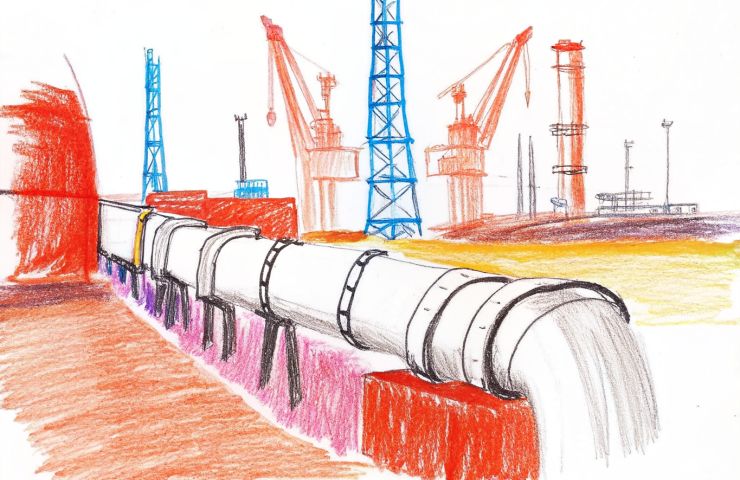
Establishing effective hydrogen infrastructure is a task that starts long before an aircraft even begins to taxi. Compressed gaseous hydrogen will be brought to the airport using tube trailers or onsite compressors, then stored in high-pressure vessels. Distribution piping will lead to either a stationary dispenser—think of it as a pump at a gas station—or a mobile tanker that can pull up alongside the aircraft. To keep everything safe, there are valves, pressure regulators, and purge systems in place to safeguard against overpressure and moisture. Specialized hoses and quick-connect couplings help maintain leak-tight integrity.
On the aircraft front, Beyond Aero’s jet, playfully referred to in company documents as “One” or sometimes “BYA-1,” is designed to be a six-to-eight-seat beauty. It will feature onboard hydrogen tanks that can compete in range with your typical light jets. The tanks connect with a fuel cell technology powertrain that transforms hydrogen and fresh air into electricity, heat, and water vapor. With heat management loops and back-up sensors, they ensure that the fuel cell stack operates within the sweet spots of temperature and pressure. And by aligning the dispensers at the terminal with the aircraft’s refueling needs—typically between 350 and 450 bar for gaseous hydrogen—the airport sets up a smooth ground-to-air transition.
Strategic Planning and Smart Investment
Rather than diving in headfirst, the partners are taking a more measured, phased approach based on expected flight volumes. In the initial phase, they aim for the infrastructure to support a small number of demonstration and certification flights, complete with trained personnel and safety zones. As they progress, they’ll ramp up storage capacity, expand distribution loops, and nail down commercial contracts with hydrogen suppliers. Technical studies suggest that a mid-scale gaseous hydrogen plant with a few tons of buffer storage should be enough to support those early flights without leaving any equipment idle.
From a financial standpoint, the leadership at Aéroports de la Côte d’Azur, including chairman Franck Goldnadel, is all about cost-effectiveness. By delaying the move to liquid hydrogen and opting for more mobile equipment, they keep capital expenses manageable and risks low until flight schedules become clearer. Meanwhile, Beyond Aero, led by co-founder and CEO Eloa Guillotin, is working to align its EASA certification timeline with the airport’s readiness, smoothing the way for commercial operations.
Beyond Aero and the Growing Hydrogen Ecosystem
Since its start in Toulouse back in 2020, Beyond Aero has made real strides—from concept to validating its system-level approach. Early efforts like wind-tunnel tests, bench tests of its fuel-cell powertrain, and manned flights of the Blériot demonstrator have laid a solid foundation. But the real challenge for aviation isn’t just about the plane—it’s about the ground service, the pipelines, and the permits.
That’s where Aéroports de la Côte d’Azur steps in. As part of Europe’s second-largest business-aviation network, they’re teaming up with Beyond Aero to create standard operating procedures, safety training, and emergency response protocols. This collaboration makes sure that hydrogen handling becomes a regular part of ground operations, rather than just a side project. Essentially, the French Riviera could serve as a showcase and test bed for other airports looking to integrate sustainable energy.
Regulatory and Market Considerations
Getting hydrogen up and running at airports means diving into new regulatory territory. EASA and national authorities need to approve designs for dispensers, certify storage layouts, and ensure that refueling personnel are trained. Thanks to this partnership, the teams involved are feeding data and risk assessments into ongoing rulemaking, hoping that successful procedures in Nice, Cannes, and Saint-Tropez can lead the way for broader adoption.
From a market perspective, bringing hydrogen into business aviation carries some serious visibility. If a hydrogen-electric business jet can consistently refuel and take off on time in a popular leisure area, it sends ripples through the investor community, aircraft manufacturers, and cabin-charter clients alike. There’s a shared belief that these early movers in high-end sectors could pave the way for regional turboprops and, eventually, larger zero-emission airliners.
Looking to the Future
With the early 2030s as the target for operations, the partnership is still in the planning stage rather than diving into execution. Next on the agenda? Finalizing technical studies, securing permits for refueling zones, and signing offtake agreements with renewable hydrogen producers. If everything falls into place, the French Riviera could witness Europe’s first routine hydrogen business-jet flights, transforming this tourist haven into a leader in industrial decarbonization and carbon-neutral aircraft.
The key takeaway? For hydrogen aviation to really take off, airports need to build their side of the ecosystem in sync with aircraft developers. This collaboration between France and the Mediterranean demonstrates that combining the fuel cell stack with the necessary refueling infrastructure is essential for propelling the next generation of clean aviation forward.