Hyundai Leads the Charge in Hydrogen Vehicle Sales in South Korea
Hyundai Motor Company has surpassed a cumulative total of 50,262 hydrogen fuel-cell electric vehicles (FCEVs) sold in South Korea, marking significant progress in the hydrogen mobility sector.
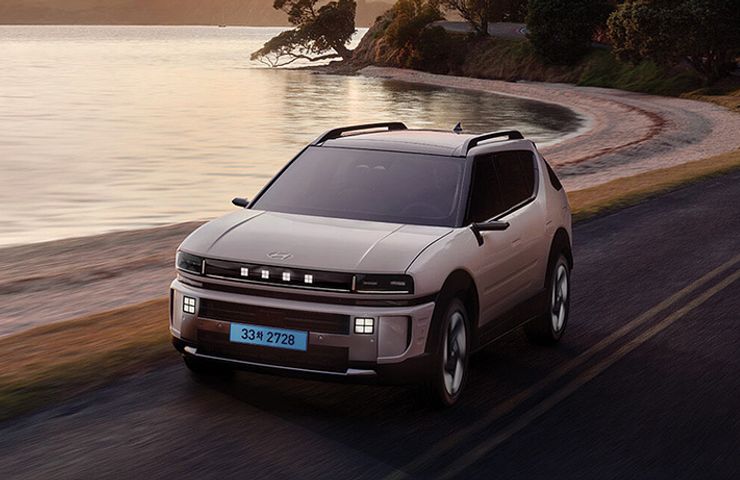
Hyundai Motor Company has officially surpassed a cumulative total of 50,262 hydrogen fuel-cell electric vehicles (FCEVs) sold in South Korea. That figure captures more than a decade of work on fuel-cell mobility. Hyundai introduced its first mass-produced hydrogen vehicle, the Tucson ix35 Fuel Cell, in 2013 and has steadily built on that initial step. The company followed with the launch of the dedicated hydrogen SUV, the NEXO, in 2018, and has since extended its hydrogen lineup into commercial vehicles, including buses and trucks.
A Comprehensive Approach to Green Hydrogen
Beyond individual models, Hyundai has been assembling a broader presence in the hydrogen economy. In 2024 it launched an integrated hydrogen business platform, HTWO, designed to address multiple links in the chain—from production and storage to transportation and refueling. The stated aim is a comprehensive hydrogen value chain. Officials and industry observers point to HTWO as an organizing framework that can connect vehicle deployment with upstream and downstream activities in hydrogen supply and logistics. With government backing in the form of subsidies for both vehicles and refueling infrastructure, Hyundai’s platform sits inside a policy environment intended to accelerate wider adoption.
Government Support Fuels Growth
Policy measures from the Ministry of Climate, Energy and Environment of the Republic of Korea have been central to the market that has emerged. The ministry’s 2026 plan emphasised financial backing for hydrogen vehicles and the establishment of over 500 refueling stations, aiming for more than 660 by 2030. Those targets shape investment decisions by manufacturers, infrastructure providers and fleet operators. They also inform timelines for station roll-out and point to where public funds are being channelled to support a still-maturing technology.
Challenges and Future Potential
Even as Hyundai records cumulative sales surpassing 50,262 units in South Korea, the wider market for hydrogen vehicles remains at a relatively early stage. The International Energy Agency reports that the global stock of FCEVs was nearly 130,000 units sold by 2025; that total has been driven in part by strong truck sales in China and by recoveries in several other markets, including Korea. Scaling further will require demand that can be sustained without increasing reliance on purchase subsidies. At the same time, recent news pointing to proposed budget reductions for hydrogen vehicles in Korea for 2027 highlights a tangible policy risk that could affect future sales and the pace of deployment.
A Sustainable Future with Hydrogen Technology
Hyundai’s expanding fleet offers practical benefits that reach beyond headline sales. Hydrogen vehicles deliver rapid refuelling and operational profiles that suit certain commercial and logistics use cases better than some battery-electric alternatives. With more units on the road, Hyundai can collect operational data at scale, refine fuel-cell systems based on real-world performance and support supplier networks through more predictable volume. Those steps matter for cost reduction and longer-term competitiveness.
There are limits to what a single manufacturer can achieve alone. Infrastructure expansion, stable policy frameworks and commercial offtake arrangements all need to align for hydrogen mobility to move from niche to mainstream. Hyundai’s strategy combines product development, platform-level integration through HTWO, and coordination with public subsidy programmes. Together, those elements form a multi-faceted approach intended to advance hydrogen across passenger vehicles and into buses and trucks.
In short, Hyundai’s milestone in South Korea provides a concentrated example of how vehicle innovation, government support and infrastructure targets interact. The company’s cumulative sales number—50,262 FCEVs—serves as a metric of progress but also as a reminder of the work ahead. Market expansion will depend on continued policy support, viable business models for operators, and the build-out of refuelling networks in line with the targets set by the Ministry of Climate, Energy and Environment of the Republic of Korea. If those pieces come together, Hyundai and other players will be better positioned to translate early gains into a larger, more sustainable hydrogen mobility sector.