Thor Energy Propels HY-Range Project with Record Hydrogen Anomalies and Funded Seismic Survey
Thor Energy Plc has recorded surface hydrogen readings up to 3% in its HY-Range soil gas survey and secured a fully funded 464 km 2D seismic survey by Velseis, backed by A$2.8 million in cash, advancing the hunt for natural hydrogen reservoirs north of Adelaide.
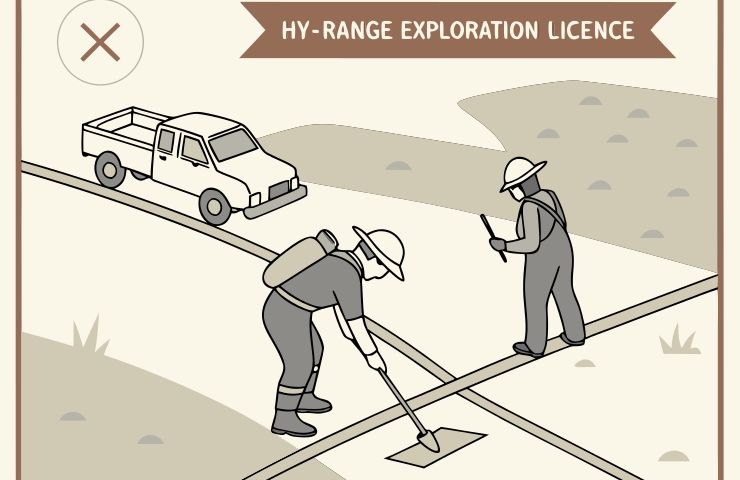
Thor Energy Plc has just given a big push to its HY-Range project focused on natural hydrogen and helium in South Australia. They've recently wrapped up a Phase-2 soil air geochemistry survey that revealed some impressive surface hydrogen concentrations of up to 3%. That’s like 30,000 ppm, which is nearly 60,000 times more than what we find in the atmosphere! To top it all off, the company has secured funding for an onshore 2D seismic acquisition that will cover around 464 line-kilometres. With a solid A$2.8 million to further their exploration efforts, HY-Range is all set for the next round of drilling prep.
In a world where hydrogen production methods are getting a lot of attention, the developments at HY-Range highlight how natural hydrogen is making its mark alongside the more traditional green hydrogen routes.
Could 30,000 ppm soil hydrogen signal a new energy frontier?
The Phase-2 geochemistry program took a step beyond initial scout sampling, diving deep into systematic soil gas testing across priority areas like Mallala, Lochiel, and Crystal Brook. By deploying probes at shallow depths, the team captured gas samples for lab analysis, spotting hydrogen spikes that really stand out from the background levels. These anomalies are some of the strongest evidence we've seen pointing to an active hydrogen system lurking beneath Adelaide’s northern plain.
Mapping Hidden Hydrogen with Soil Air Geochemistry
Soil air geochemistry has emerged as a smart, cost-effective tool for exploring natural hydrogen early on. At HY-Range, they rolled this process out in two phases:
These results will be combined with gravity, magnetic, and passive seismic data to sharpen subsurface models before drilling kicks off. The blending of geochemical anomalies with geophysical clues will help explorers pinpoint the potential spots where hydrogen and helium might be hanging out.
Peering Underground: The 2D Seismic Campaign
Now that they've got the geochemistry sorted out, Thor Energy Plc has partnered with Velseis Pty Ltd to roll out a seismic survey. Once this kicks off in the coming months, the 464 line-kilometres of 2D seismic acquisition will sweep over the HY-Range permit. Using Vibroseis trucks and sensor arrays, they aim to map the Torrens Hinge Zone's structure—looking at faults, basement highs, and trapping layers that might hold gas.
Understanding Natural Hydrogen Formation
Now, what’s fascinating is that natural hydrogen isn’t like the green hydrogen we create through water electrolysis. It actually originates deep within the Earth’s crust through two primary geological processes:
Once it’s generated, that hydrogen—along with helium—can travel along faults and fractures into porous sedimentary layers or structural traps. At HY-Range, the interaction between a crystalline Precambrian basement and the overlying basins creates perfect pathways and seals for possible gas accumulation.
Global and Regional Insights
Interest in natural hydrogen exploration is really heating up worldwide. For instance, Mali’s Bourakébougou field remains the only documented site where they’ve managed to generate power from subsurface hydrogen. Meanwhile, various projects across Europe, North Africa, and South America are exploring similar terrains. In South Australia, Gold Hydrogen Limited has recently gained attention for reporting high-purity hydrogen (up to 95.8%) and significant helium in two Ramsay wells. These finds bolster the region's credentials and help shape the models guiding HY-Range’s exploration.
Through comparing geochemical anomalies, geophysical profiles, and regional analogues, Thor Energy is on a mission to show that HY-Range could stand shoulder to shoulder with other natural hydrogen projects that deliver clean energy on a commercial scale.
Who’s Behind the Push?
Thor Energy Plc is moving towards low-carbon resources, adding natural hydrogen and helium to their portfolio alongside legacy uranium-vanadium and strategic-metals. Based in London, they hold an 80.2% stake in HY-Range through their Go Exploration subsidiary. Funding for the seismic program comes from recent asset divestments, showcasing a smart approach to hydrogen project financing. By reallocating capital from their uranium-vanadium and copper-gold holdings, they’ve secured the budget for this seismic push without diluting equity or piling on debt. The company is hanging on to about A$2.8 million to support upcoming tasks.
To bring this project to life, Velseis Pty Ltd, an Australian seismic expert chosen through a competitive process, will handle field acquisition and initial data processing. In the background, South Australia’s Department for Energy and Mining is laying down the legal framework through the Energy Resources Act and the Hydrogen and Renewable Energy Act, allowing for natural hydrogen exploration licenses like RSEL 802.
Why It Matters for Clean Hydrogen News
Natural hydrogen is making a name for itself as a potential zero-carbon energy source that can complement green hydrogen generated through electrolysis. Unlike the fuel cells that depend on hydrogen produced from renewable electricity, HY-Range is targeting gas that’s generated naturally, which could lessen the need for grid-scale power.
Some key perks include:
Analogues like Gold Hydrogen’s Ramsay wells, where hydrogen purity neared 96%, underline the exciting potential for quality gas production in South Australia. If HY-Range delivers similarly impressive outcomes, it could provide off-grid power, industrial feedstock, or even tie into planned export hubs near Port Bonython.
What’s Next on the Horizon?
As seismic crews gear up, a clear timeline is taking shape:
The results will reveal whether HY-Range can stand as a commercial source of natural hydrogen and guide the development of hydrogen infrastructure in South Australia. The next time you catch a headline about “hydrogen project financing” or “hydrogen production methods,” keep an eye out—HY-Range might just be leading the charge.
Balancing Exploration with Environmental Care
While natural hydrogen comes with low production emissions, the exploration phases still carry their environmental responsibilities. Soil gas sampling and seismic checks typically leave less of a mark compared to full-scale production fields, but they still have to follow guidelines to protect land access, native vegetation, and groundwater. South Australia's Department for Energy and Mining enforces these rules under the Energy Resources Act, ensuring early-stage activities align with the state’s environmental goals.
Looking Beyond the Drill Rig
With diligent data collection, a well-funded game plan, and insights from pioneering projects worldwide, Thor Energy Plc is positioning HY-Range at the cutting edge of an emerging energy frontier. Whether natural hydrogen ultimately joins the ranks of mainstream clean fuels will depend on what the drills reveal, but the recent milestones certainly make it a story worth keeping an eye on.