Nel ASA and Rheinmetall Explore Decentralised Synthetic Fuel Feasibility in Norway
Nel ASA and Rheinmetall AG signed a non-binding MoU to assess modular synthetic-fuel production in Norway under the Giga PtX concept, marking a first national feasibility study for distributed Power-to-Liquid technologies.
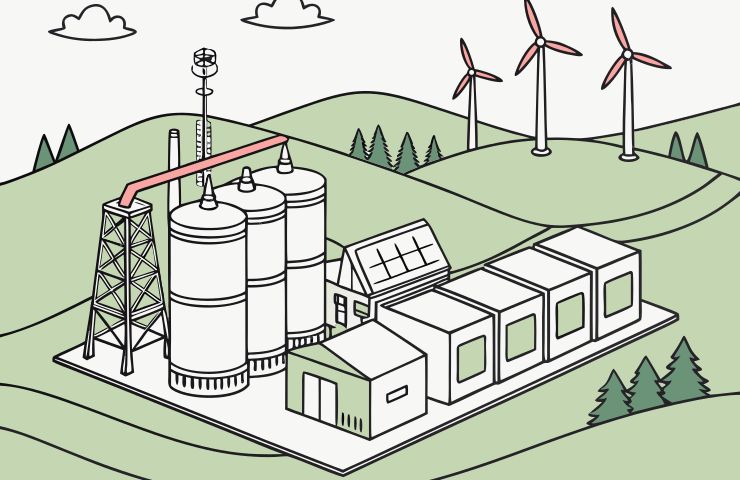
Nel ASA and Rheinmetall AG recently signed a non-binding memorandum of understanding to explore decentralised synthetic-fuel production in Norway, according to a Nel ASA press release. The companies will assess modular plants that convert renewable electricity into low-carbon synthetic fuels under Rheinmetall AG’s Giga PtX concept, with an aim to support defence and critical-infrastructure applications through localised supply.
Overview of the MoU
The memorandum covers a joint feasibility study of scalable Power-to-Liquid solutions, according to the release. Under the proposed collaboration, Nel ASA would provide proton-exchange-membrane (PEM) and alkaline electrolysers to produce renewable hydrogen, while Rheinmetall AG would supply its Giga PtX systems-integration expertise and fuel-supply network design. The agreement is non-binding and does not include a confirmed plant site, investment commitment or production schedule. It follows earlier programme announcements by Rheinmetall AG outlining an ambition to deploy several hundred modular PtX facilities across Europe, according to its public statements.
Decarbonised Hydrogen Production
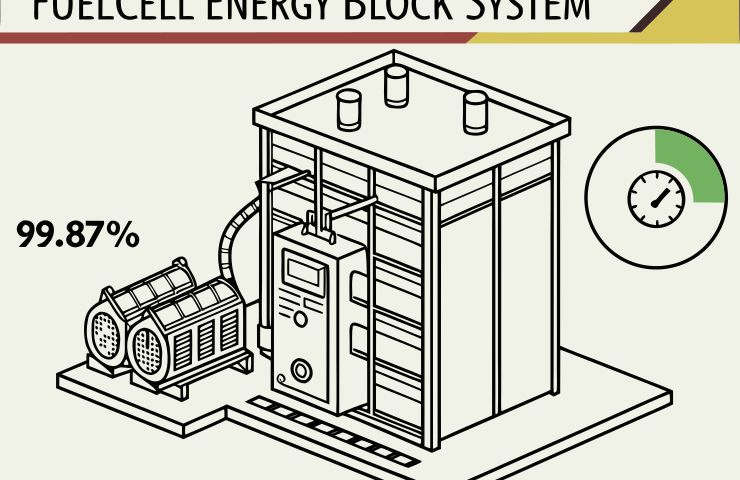
Nel ASA designs both PEM and alkaline water electrolysis systems, the company states. Its PEM electrolysers use a proton-conducting membrane to split water into hydrogen and oxygen, offering rapid response to variable renewable power, while alkaline systems employ an alkaline electrolyte and diaphragm suited to steady-state industrial operation. According to Nel ASA, it has installed more than 3 800 electrolyser systems globally across industrial, transport and Power-to-X applications. The hydrogen output would be compressed, purified and conditioned to meet the feed specifications required by downstream synthesis modules. Northern European climate conditions and water availability will also influence electrolyser siting and performance, aspects the feasibility study plans to examine, according to the MoU.
Modular Synthetic-Fuel Architecture
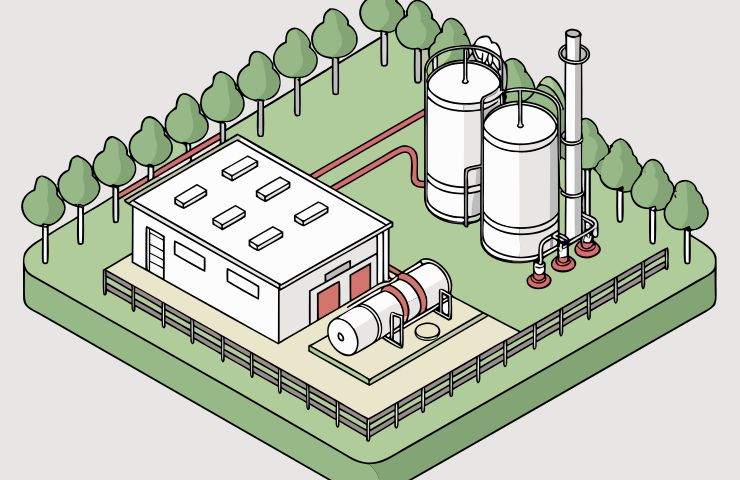
Rheinmetall AG’s Giga PtX concept envisions modular plants producing drop-in synthetic diesel, marine fuel or kerosene from renewable hydrogen and carbon dioxide, according to its media releases. In the proposed process, hydrogen and captured CO₂ feed a reverse water-gas shift reactor to form synthesis gas, which then runs through a Fischer–Tropsch unit to yield hydrocarbon chains. By integrating synthesis onsite, the concept seeks to reduce dependency on long-distance fuel logistics and to leverage local renewable-power assets.
Programme-Level Ambitions
Earlier Giga PtX announcements projected that a typical modular plant could feature around 50 MW of electrolyser capacity and produce 5 000–7 000 tonnes of synthetic fuel per year, according to Hydrogen Europe reporting. Programme materials have suggested totalling several hundred plants across multiple countries to achieve a robust synthetic-fuel network, though precise rollout plans have not been released. Those figures reflect broader green-hydrogen-news ambitions and have not been formalised for the Norwegian cooperation.
Partner Network and Roles
The proposed Norwegian feasibility study draws on a diverse partner network, underlining a modular approach that adapts to local conditions. Key participants include:
- Nel ASA: Supplying PEM and alkaline electrolysers for renewable-hydrogen production, according to its corporate website.
- Rheinmetall AG: Providing the Giga PtX systems-integration concept and strategic-infrastructure planning, per its press releases.
- INERATEC: Identified by Rheinmetall AG as developer of modular reverse water-gas shift and Fischer–Tropsch reactors.
- Sunfire GmbH: Associated with pressurised alkaline electrolysers in the broader programme, according to Sunfire GmbH.
- ITM Power plc: Cited by Hydrogen Europe as a PEM-electrolyser partner in the wider Giga PtX network.
- Greenlyte Carbon Technologies: Noted for direct-air capture of CO₂ to supply fuel-synthesis, per Rheinmetall AG.
Technical Architecture and Considerations
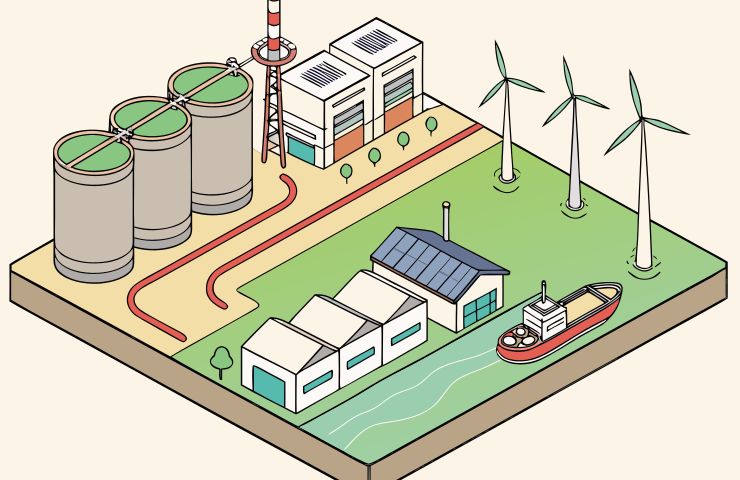
Each modular plant would integrate renewable-electrolysis output with onsite synthesis units, avoiding long-distance hydrogen transport, according to programme descriptions. Critical technical variables include electrolyser load flexibility, catalyst performance in Fischer–Tropsch reactors and the energy intensity of direct-air CO₂ capture. INERATEC notes that its compact reactors leverage advanced catalysts to optimise conversion efficiency, though plant-specific engineering assessments remain pending. Greenlyte Carbon Technologies indicates its direct-air-capture systems bind CO₂ from ambient air using chemical sorbents, but final energy consumption and operational costs depend on process-heat sourcing and regeneration cycles. Maintenance requirements, catalyst durability and safety certification for hydrogen and syngas handling are also identified as critical considerations, according to the companies’ statements.
Strategic Rationale and Market Context
The parties highlight Norway’s abundant renewable-electricity resources—especially hydropower—as a natural foundation for green-hydrogen production, according to the memorandum. Norway recorded a population of 5 627 400 inhabitants, with electricity transmission constraints noted by Statistics Norway, indicating the need to consider grid access when siting modular plants. A distributed network of synthetic-fuel facilities could enhance resilience by locating production near military bases or critical infrastructure while leveraging local resources.
The cooperation aligns with defence-industry strategies to diversify fuel sources and with European Union renewable-hydrogen rules, which mandate at least 70 percent greenhouse-gas savings for fuels of non-biological origin, according to the European Commission. The initiative could also stimulate local industrial activity by creating demand for electrolysis equipment, carbon-capture units and synthesis modules, according to the research materials. It aligns with broader European Commission energy-security and defence-readiness policies that advocate distributed energy assets to enhance resilience, according to official policy context.
Next Steps and Uncertainties
The non-binding memorandum sets out a study phase to assess potential sites, grid connections and power-purchase structures that ensure renewable-electrolysis qualification, according to Nel ASA. The study also covers permitting processes under Norwegian environmental regulations and potential partnership models with local utilities. Pilot installations may follow, but no construction timeline, capital-cost estimate or fuel offtake agreement has been disclosed. The study will evaluate potential financing models, including public-private partnerships or defence-sector procurement frameworks, although no structure has been finalised.
Key uncertainties include whether modular plants can achieve acceptable economies of scale compared to centralised facilities, meet defence-grade reliability standards and satisfy lifecycle-emissions criteria. The partners plan to review these factors during the feasibility study before deciding on binding project contracts and final investment commitments.
Conclusion
This feasibility partnership draws on electrolyser expertise, advanced synthesis technology and strategic-infrastructure planning. As the first market for Rheinmetall AG’s Giga PtX concept, Norway will serve as a test case for decentralised synthetic-fuel production. The outcome may influence broader decisions on how distributed hydrogen and synthetic-fuel projects are financed, regulated and deployed in defence and critical-infrastructure sectors across Europe.