Hydrogen Fuel Cell News: Toyota and Scania Pilot Heavy-Duty Trucks in Europe
Toyota and Scania have teamed up to pilot Toyota’s third-generation hydrogen fuel cell system in 40 Scania heavy-duty trucks across Europe, aiming to gather real-world data on performance, efficiency and total cost of ownership before early 2027 deployment.
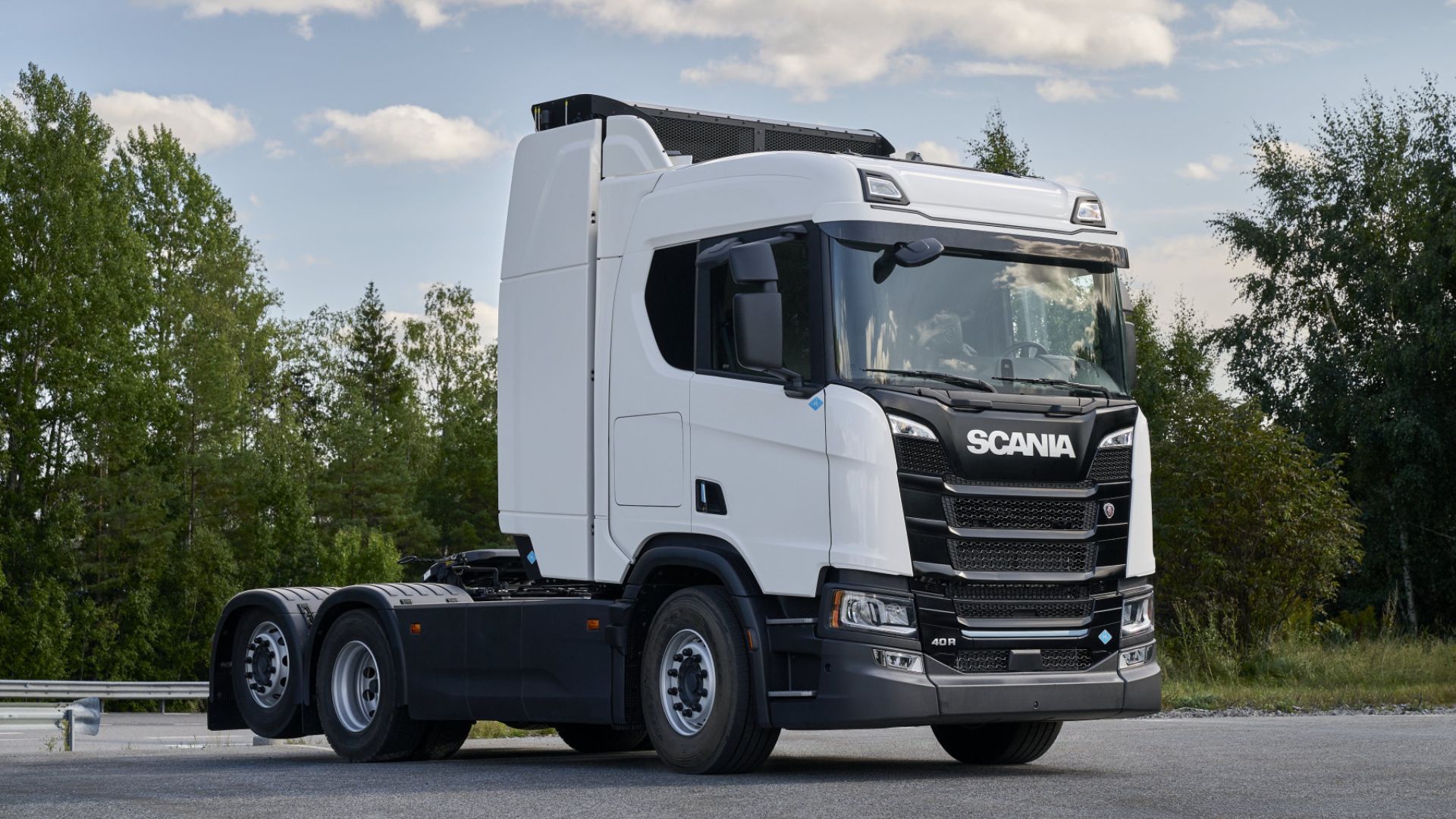
Toyota Motor Corporation and Scania are joining forces in Europe for an exciting pilot project that will test Toyota’s third-generation hydrogen fuel cell system in 40 of Scania’s heavy-duty trucks. The first trucks are set to hit the road in early 2027, and it's shaping up to be quite the venture!
Trial Launch and Objectives
This pilot aims to integrate Toyota’s cutting-edge 3rd Gen FC System—engineered specifically for commercial duty cycles—into Scania’s heavy-duty platform. Rather than running the fuel cell modules through controlled lab trials, they’ll be put to the test in real-world logistics operations across Sweden and other freight corridors in Europe. The goal? To gather essential data on the system's technical performance, operational efficiency, and total cost of ownership in demanding environments.
Here are some key metrics they’ll be focusing on during the trial:
- Uptime and reliability during long-haul transport
- Refueling patterns and the availability of hydrogen stations
- Maintenance intervals and the durability of components
- Range and payload capabilities when fully loaded
- A comparison of the total cost of ownership with other fuel options
Technical Snapshot
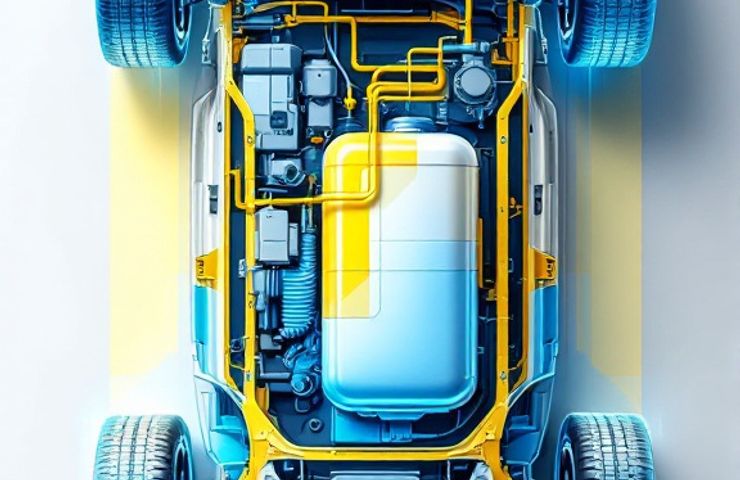
Toyota’s third-generation fuel cell system works by storing compressed hydrogen onboard and feeding it into a fuel cell stack. There, it reacts with oxygen to generate electricity. This heavy-duty version delivers a powerful 300 kW and boasts roughly twice the durability and around 20 percent better fuel efficiency compared to its predecessor. The electricity produced powers an electric motor, and a small battery assists with acceleration and regenerative braking, making hydrogen refueling much faster than charging a comparable battery-electric truck.
Comparative Landscape
While battery-electric trucks are making a splash in urban and short-haul scenarios due to their energy efficiency and access to existing grid infrastructure, they face challenges in long-distance freight. Charging downtime and weight issues can really cut into their utilization. Hydrogen fuel cells, on the other hand, shine with their faster refueling times and extended range. This pilot will allow for a direct comparison of fuel cell electric vehicles (FCEVs) against battery-electric trucks under similar duty cycles, offering valuable insights.
Policy and Infrastructure Context
Europe is still working on decarbonizing its heavy-duty transport, and hydrogen infrastructure rollout is part of the ongoing effort. Most refueling stations are located along major corridors, which leaves some gaps for secondary routes. It's generally accepted that predictable demand from fleets is crucial for expanding electrolysis capacity and establishing robust hydrogen station networks. By testing fuel cell performance on a larger scale, this Toyota–Scania trial could offer data that informs European policies related to renewable hydrogen incentives, road-toll provisions, and mandates for zero-emission vehicles.
Industry Context
Toyota has more than three decades of experience under its belt in fuel cell research and is positioning hydrogen as a key component of its broader commercial strategy. Beyond this exciting collaboration with Scania, Toyota is also teaming up with IVECO through the EMPOWER project and has partnerships with other European original equipment manufacturers (OEMs) to boost hydrogen demand across various vehicle segments.
As for Scania, they're exploring several avenues—battery-electric, biogas, and hydrogen—to reduce emissions in freight transport. Their Pilot Partner program has previously tested battery-electric trucks in regional routes and is now expanding into long-haul scenarios with FCEVs. Integrating Toyota’s system will help Scania fine-tune route suitability and duty-cycle planning for different types of zero-emission powertrains.
Next-Generation Commercialization
The insights gained from this pilot will be invaluable for Toyota as they continue to refine their 3rd Gen FC System and work on developing future commercial fuel cell modules. Scania might use the collected data to create offtake agreements, aligning fleet orders with the rollout of necessary infrastructure. Early results will also be critical for shaping procurement strategies, hydrogen offtake deals, and investments in refueling stations across Europe.
Looking Ahead
The field data from this pilot will certainly be closely monitored by fleet operators, infrastructure investors, and regulators alike. Achieving strong uptime, competitive fuel efficiency, and manageable maintenance profiles could accelerate the deployment of hydrogen stations along crucial freight routes, influencing the next wave of decarbonization policies across Europe. That said, any hiccups in durability, cost, or refueling logistics could slow down the momentum and reaffirm the role of battery-electric trucks in certain applications.
With the first hydrogen fuel cell trucks rolling out soon, Toyota and Scania are moving from theory to practice—delivering real-world evidence that could significantly change the landscape of hydrogen infrastructure and accelerate the adoption of zero-emission technology in heavy-duty transport.