MAN Launches Bavaria Trials of 42-Tonne Fuel-Cell Trucks
MAN Truck & Bus has begun three-month real-world trials of 42-tonne hydrogen fuel-cell trucks on Bavarian routes, using Bosch fuel-cell modules, FORVIA tanks and ZF drivetrains to test performance, consumption and refuelling in daily logistics operations.
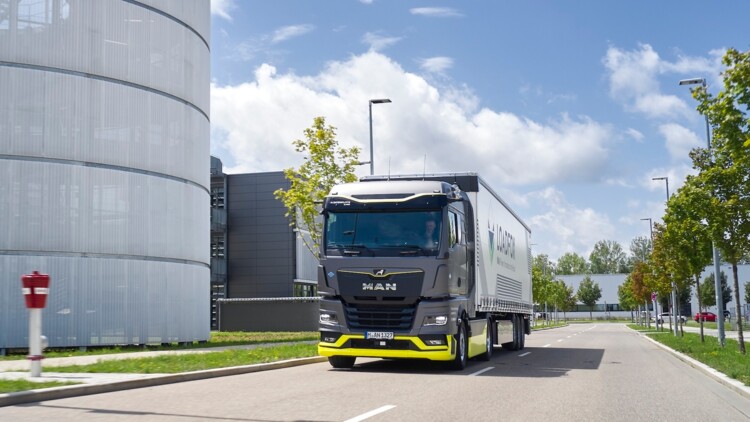
Decarbonizing heavy-duty transport across Europe is proving to be quite a challenge, that's for sure. Battery-electric trucks are great for short trips and work well in areas packed with charging stations. But when you're gearing up for those hefty 42-tonne hauls along mixed motorways and local roads, the quick refills and long range of hydrogen make it a really appealing option. In exciting hydrogen fuel cell news, MAN Truck & Bus has just launched three prototype fuel-cell trucks into active service on routes in Bavaria.
On July 31, 2026, MAN Truck & Bus kicked off a three-month trial as part of its Bayernflotte project, which is backed by the Bavarian State Ministry of Economic Affairs, Regional Development and Energy. They've teamed up with LoadFox Transport, the logistics operator for this project. The three 42-tonne trucks will be busy running daily freight services between Munich, Dachau, and Nuremberg, as well as on other routes in southern Germany. Their goal? To gather solid data on how well these trucks perform in real-world conditions regarding reliability, hydrogen use, and refueling processes, all while navigating Bavaria's emerging hydrogen infrastructure.
Testing the Bosch Fuel Cell Power Module
At the core of each truck is a Fuel Cell Power Module from Bosch. This nifty little system packs around 300 kW and combines everything from the proton-exchange membrane stack to power electronics. In the MAN setup, this module cranks out about 350 kW when paired with a high-voltage battery that helps manage load peaks and stores braking energy. The trucks carry hydrogen in three 700-bar composite tanks provided by FORVIA, which can hold around 36 kg of hydrogen—enough for an estimated range of 450-500 km and a consumption of 7-8 kg per 100 km.
Technicians from LoadFox will keep a close eye on how these fuel-cell modules handle real freight loads, dealing with stop-and-go traffic, and even the unpredictable Bavarian weather. They’ll be monitoring important factors like cold-start times, how durable the system is over hundreds of hours, and how energy efficient it is compared to diesel benchmarks. The refueling happens at high-pressure hydrogen stations along the routes—part of a larger movement to establish widespread hydrogen refueling stations on TEN-T corridors.
Building Partnerships Across the Value Chain
This trial is a clear illustration of the industrial ecosystem that Germany is building around zero-emission trucking. Apart from Bosch and FORVIA, ZF Friedrichshafen is also in the mix, working on driveline integration and electronic controls, while LoadFox manages the logistics. The €8.5 million grant from Bavaria aligns with Germany's national plan, which allocates €220 million to support hydrogen trucks and infrastructure. This funding makes it easier for early adopters to test and validate new technologies without taking on all the financial risks.
For Bavaria, this is about more than just a demonstration. With 13 million people and one of the highest GDPs per capita in Europe, the state is banking on hydrogen playing a crucial role alongside battery-electric vehicles, especially in sectors where fast turnaround and heavy loads make relying solely on large battery packs impractical. The findings from Bayernflotte will help shape future hydrogen production, placement of refueling stations, and strategies for electrifying fleets in the region.
The Strategic Role of Hydrogen in Freight Decarbonization
MAN and its parent company, TRATON Group, see battery-electric trucks as the main path for decarbonizing routes up to 300 km, but they also recognize that hydrogen fuel-cell trucks are an essential part of the mix for long-haul and heavy-load journeys. This is in sync with broader industry views: EU CO₂ targets are mandating a fleet-wide reduction of 45% by 2030 and 90% by 2040, pushing manufacturers to diversify their technologies.
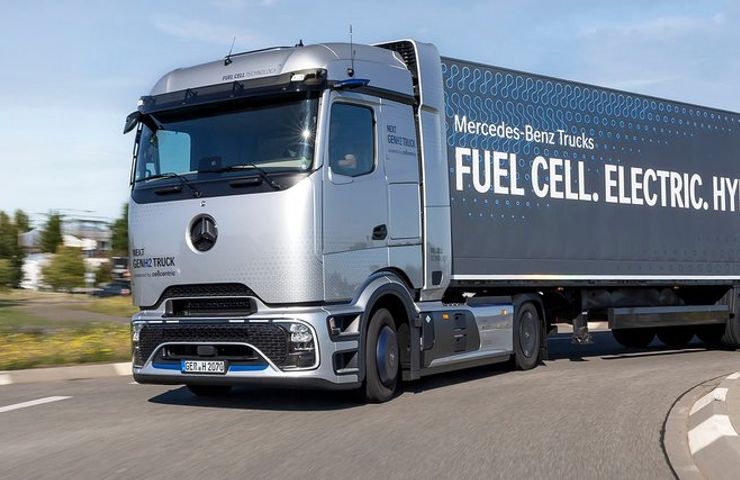
Similar projects, like H2Haul—which tested fuel-cell trucks for BMW and other logistics players—and Daimler’s GenH2 initiatives, have laid the groundwork. Now, MAN’s Bayernflotte trial really stands out because it combines commercially available components—Bosch's fuel-cell modules, FORVIA’s tanks, and ZF’s e-axles—all in actual freight service. The data collected on uptime, maintenance schedules, and total operating costs will feed into TRATON’s future planning for mass manufacturing.
From Trials to Early Deployment
If Bavaria’s efforts pay off, we could see the next big step: small fleet orders happening around 2028 to 2030, supported by regional and federal hydrogen project financing. Evidence showing actual consumption rates, how flexible the operations are, and whether drivers are on board will be crucial for shaping subsidy programs and plans for deploying more refueling stations. If these fuel-cell trucks can consistently refuel in under 20 minutes and achieve a runtime of over 95%, transport fleets may start considering hydrogen vehicles for routes where fast chargers aren’t available.
On the infrastructure side, it’s essential to figure out if hydrogen stations placed every 200 km on highways can meet the demands. Initial data from Germany suggests that standby power needs and compression costs are vital factors. So, the Bayernflotte trucks will not just be testing the drivetrain tech but will also help validate the assumptions about daily hydrogen usage and waiting times at refueling stations.
Looking Ahead
These road tests represent a significant transition from controlled environments to actual logistics operations in the field. By the end of the trial, MAN and its partners hope to have a clear understanding of how hydrogen fuel-cell trucks compare with battery-electric and diesel alternatives for heavy-duty routes. The insights gained will influence everything from planning hydrogen storage setups on trailers to the design of next-gen fuel cell modules.
As Europe hustles to hit its net-zero goals, these trial outcomes could determine if hydrogen becomes a niche player in long-haul freight or if it can take off on a larger scale. For the time being, Bavaria is placing its bets on both enhancing hydrogen production and rolling out the hydrogen infrastructure needed for a zero-emission trucking future.
About MAN Truck & Bus
MAN Truck & Bus SE, based in Munich, stands as one of Europe’s top manufacturers of commercial vehicles and is part of the TRATON Group. The company’s zero-emission strategy focuses on boosting battery-electric trucks while also positioning hydrogen fuel cells and hydrogen combustion engines as complementary solutions for heavy-duty and long-distance transportation.