Hydrogen Fuel Cell News: Federal Pacific to Supply Switchgear for Bloom Energy SOFCs in AI Data Centers
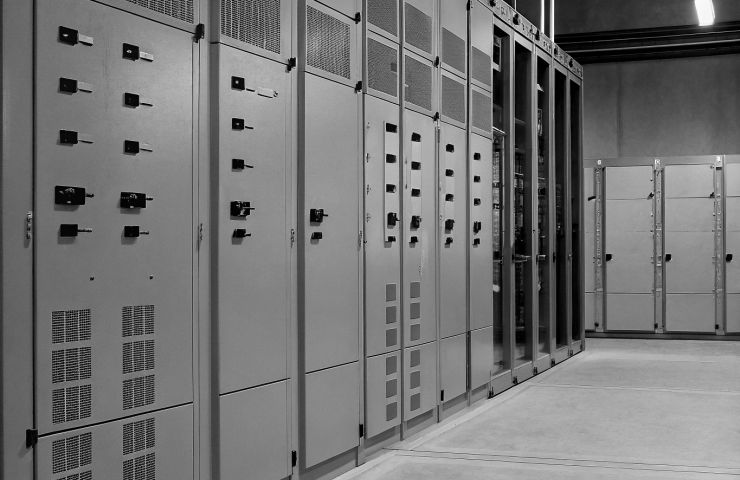
AI data centers are rewriting the rules for power infrastructure, and fuel cell technology is stepping up to the plate. Earlier this month, Federal Pacific landed a contract from Bloom Energy to supply medium-voltage switchgear and engineering services for a large-scale AI data center project. This deal highlights a crucial inflection point: as compute workloads surge, traditional grid expansions can’t keep pace, pushing enterprises to adopt on-site power generation solutions like solid oxide fuel cell (SOFC) systems.
Under the agreement, Federal Pacific will integrate specialized switchgear that connects Bloom’s SOFC power modules directly into data center electrical networks. Instead of waiting years for new transmission lines or upgrades, operators can deploy on-site generation in a fraction of the time—slashing permitting delays and reducing reliance on utility timelines. It’s a clear sign that hydrogen infrastructure and decentralized energy models are gaining real momentum in the data center world.
Bridging the Grid Gap
Hyperscale data centers now draw hundreds of megawatts continuously, equivalent to powering tens of thousands of homes. Recent studies suggest that U.S. data center energy consumption could nearly double in just a few years as AI workloads expand. Utilities face a bottleneck: new generation and transmission projects typically take several years to build, while data center operators need power now. That’s where distributed generation comes in.
SOFC systems deliver reliable, continuous power by converting fuel—natural gas, hydrogen or biogas—directly into electricity through electrochemical reactions, side-stepping grid constraints. For AI data centers running 24/7, the promise of uninterrupted baseload power is compelling. But fitting these generators into an existing facility electrical layout requires more than just fuel cells; it demands robust distribution gear capable of managing variable outputs, fault protection and seamless grid backup integration.
The Role of SOFC
Solid oxide fuel cells operate at high temperatures—up to around 1,000°C—using a ceramic electrolyte that lets oxygen ions migrate from the cathode to the anode. At the anode, these ions react with hydrogen or reformed hydrocarbons, releasing electrons to create electricity. Heat recovery can push overall system efficiency above 70%, making SOFC one of the most efficient hydrogen fuel cell technologies available.
While many fuel cells rely on precious metal catalysts, SOFCs use more abundant ceramic materials, cutting down material costs and offering longer lifetimes suited for mission-critical data center environments. The electrochemical process also produces minimal emissions, and when hydrogen is used as a feedstock, the operation can be near zero-emission—a key consideration for enterprises chasing sustainability targets.
Switchgear: The Unsung Hero
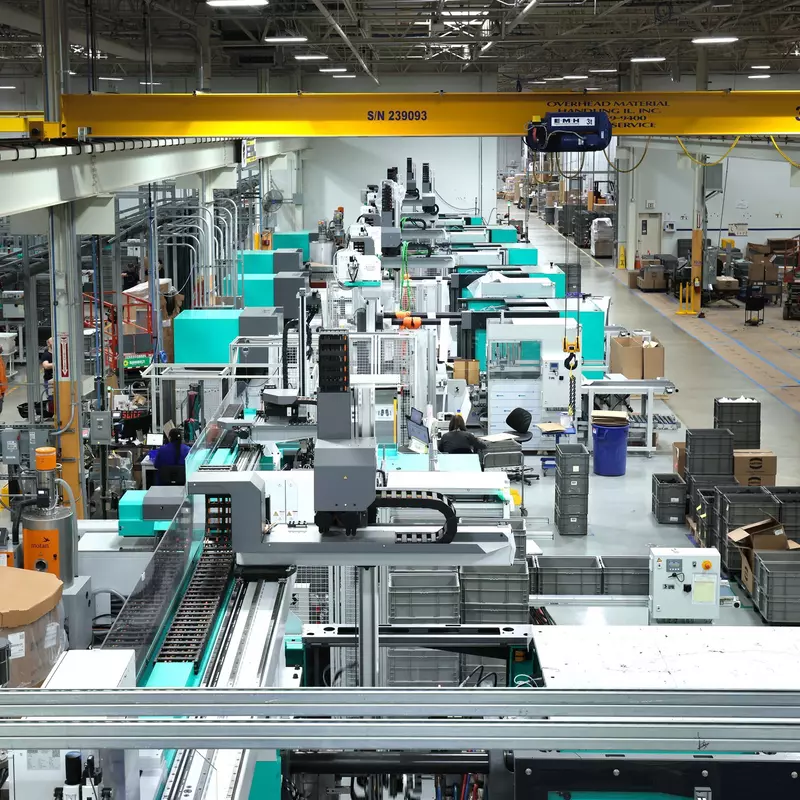
Switchgear sits at the heart of any electrical system, controlling, protecting and isolating circuits. In a hybrid setup combining SOFC and grid power, medium-voltage switchgear has to handle fluctuations in generator output, quickly detect faults and reroute electricity without interrupting operations. Federal Pacific’s equipment includes circuit breakers, protective relays and reclosers that automatically restore service after minor disturbances.
By delivering modular switchgear units designed for distributed energy resources, Federal Pacific ensures operators can bring fuel cell arrays online smoothly. The gear also supports voltage regulation, synchronization with grid frequency and maintenance isolation so that parts of the system can be serviced without shutting down the entire data center. In essence, effective hydrogen infrastructure doesn’t just mean having fuel cells; it requires a seamless electrical interface engineered for high reliability.
Market Dynamics and Financing
This contract comes on the heels of several landmark deals for Bloom Energy. Earlier this year, American Electric Power (AEP) expanded its purchase to secure up to 1 GW of SOFC capacity under a multi-billion-dollar agreement, while Oracle tapped Bloom for nearly 3 GW to power its cloud and AI services. And with a substantial financing framework in place from Brookfield Asset Management, enterprises can now adopt power-as-a-service models, converting heavy upfront investments into predictable operating expenses.
All these moves underscore a broader investment wave in decentralized energy. Investors and equipment suppliers alike are lining up to capture value in hydrogen production, distributed power and hydrogen storage solutions. For Federal Pacific, winning this switchgear contract isn’t just a single project win—it’s a strategic foothold in a rapidly expanding ecosystem where fuel cell technology meets large-scale computing.
Hydrogen’s Expanding Role
While many SOFC units still run on natural gas, the pathway to green hydrogen is gaining clarity. As electrolyzer deployments ramp up and renewable energy costs continue to fall, it’s increasingly viable to blend or fully substitute hydrogen feedstocks. That transition would convert data centers in remote locations into near zero-emission facilities—turning a performance-driven solution into a key pillar of industrial decarbonization.
Moreover, on-site SOFC installations can leverage hydrogen storage systems to buffer supply, enabling smoother operations during grid outages or fuel supply fluctuations. This integration of hydrogen production, storage and distributed generation lays the groundwork for resilient, zero-emission energy hubs that can serve not just data centers but also microgrids, industrial parks and critical infrastructure networks.
Ultimately, this partnership between Bloom Energy and Federal Pacific highlights how different pieces of the hydrogen and fuel cell puzzle are fitting together. It’s no longer about pilot projects—it’s about mainstream deployment, backed by financing, engineered integration and a rising urgency to solve power bottlenecks.
Looking ahead, we can expect more players to enter the fray. Traditional switchgear manufacturers, electrolyzer makers and grid operators are all evaluating how to align with this new energy paradigm. Those who move quickly to develop compatible products and services will find themselves at the center of the hydrogen infrastructure build-out—one that’s redefining how we power our most demanding applications.
About the Companies
Bloom Energy is a U.S. company specializing in solid oxide fuel cell power generation for on-site electricity production. Headquartered in Sunnyvale, California, it has seen record growth serving AI data centers and enterprises.
Federal Pacific, a division of Electro-Mechanical Corporation, manufactures medium-voltage switchgear and electrical control products for power generation, transmission and distribution. Based in Bristol, Virginia, the company is positioning itself as a key supplier for distributed energy infrastructure.