Hydrogen fuel cell news: HARTING’s Reversible Fuel Cell Plant in Espelkamp Leads the Charge in Industrial Decarbonization
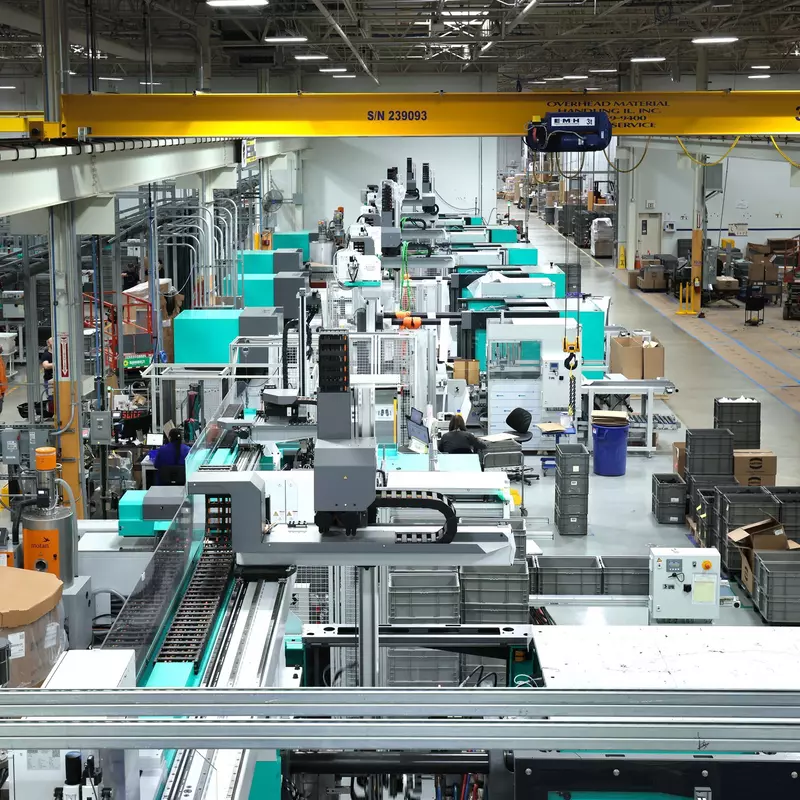
In the heart of North Rhine-Westphalia, the town of Espelkamp—home to roughly 26,400 residents and a bustling manufacturing base—is making headlines as a new hub for clean energy innovation. Recently, HARTING Technology Group commissioned a game-changer at its main production and innovation campus: a modular reversible fuel cell power plant designed to deliver climate-neutral electricity and flexible storage. This installation, powered by Reverion GmbH’s advanced solid oxide technology, offers a glimpse into the future of industrial decarbonization in Germany’s most populous state.
A Pioneering Installation in Espelkamp
Rather than merely installing off-the-shelf equipment, HARTING Technology Group chose a fully integrated solution from Reverion GmbH that can switch between fuel cell mode—converting biogas or hydrogen into power—and electrolysis mode—turning surplus renewable electricity back into hydrogen or synthetic methane. The company reports design targets of up to about 80% electrical efficiency for biogas-to-power conversion and up to around 75% round-trip efficiency in hydrogen-based storage cycles, significantly outpacing conventional combined heat and power units.
A Modular Game-Changer for Industry
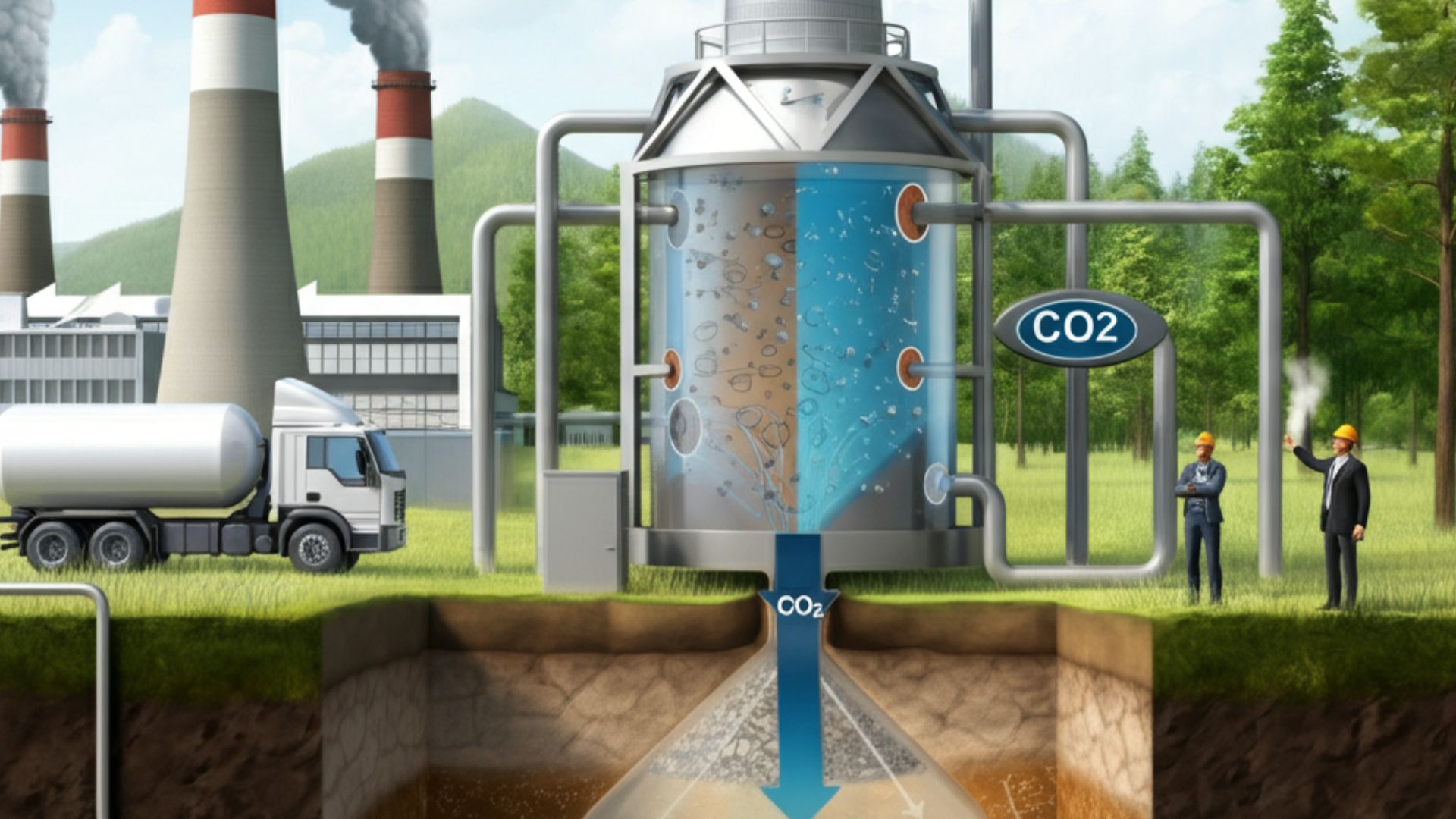
At its core, the reversible solid oxide system relies on high-temperature ceramic cells that drive electrochemical reactions without combustion. In fuel cell mode, it delivers dispatchable electricity and heat, while capturing a pure CO₂ stream from biogenic fuels for storage or utilization. When grid renewables exceed demand, the plant flips to electrolyser mode, producing green hydrogen or methane for on-site buffering or injection into existing gas infrastructure. This dual-mode flexibility makes it a versatile asset for manufacturers seeking to balance intermittent renewable supply.
Collaboration Driving Innovation
This project showcases the power of cross-sector partnerships. Reverion GmbH, a spin-out from the Technical University of Munich, brought decades of research in reversible solid oxide cells to the table, while HARTING Technology Group provided the industrial platform and connectivity expertise needed to integrate the system seamlessly into factory operations. Regional authorities in North Rhine-Westphalia, under their hydrogen and industrial decarbonization programmes, have also propped up demonstration projects like this one, helping to streamline permitting and support R&D funding.
Impacts on Sustainability and the Energy Transition
By replacing or supplementing grid power with on-site fuel cell generation, the Espelkamp plant reduces carbon intensity and shields HARTING’s operations from volatile electricity prices. Its integrated carbon capture capability means that, when fed with sustainably sourced biogas, it can deliver climate-positive outcomes by sequestering biogenic CO₂ rather than releasing it. Over time, such installations can drive down Scope 2 emissions for manufacturing firms, while building local expertise in advanced hydrogen technologies.
Building Momentum in North Rhine-Westphalia
North Rhine-Westphalia has long been Germany’s industrial powerhouse, but it’s now leading the charge in hydrogen infrastructure and sector coupling. From demonstration electrolyser parks to grid-scale storage pilots, the region’s policy framework aims to cut industrial emissions by 80% by mid-century. The Espelkamp fuel cell plant adds a critical reference case, proving that modular, reversible systems can perform under real-world conditions in a live factory setting.
A Glimpse into the Future
Looking ahead, success in Espelkamp could spark a wave of similar deployments across Europe’s legacy biogas and manufacturing sites. HARTING Technology Group itself may leverage this reference to develop new turnkey offerings that combine power electronics, connectors and advanced fuel cell modules. For Reverion GmbH, each commissioned plant bolsters its track record, attracting further utility and industrial partners seeking flexible, high-efficiency backup power and long-duration storage.
Conclusion
By merging cutting-edge reversible solid oxide technology with a major industrial player's operations, this project exemplifies how collaboration, regional policy support and engineering prowess can converge to accelerate the energy transition. As Espelkamp’s new plant begins feeding low-carbon power into the grid and on-site processes, it offers a tangible glimpse into the future of sustainable manufacturing—one where “game-changer” solutions aren’t just pilot demonstrations but essential building blocks for a climate-neutral economy.