Hydrogen Infrastructure and Smart Electricity Grids Take Center Stage at EU Energy Forum in Copenhagen
Copenhagen’s skyline has just hosted Europe’s premier energy dialogue, and the message was clear: it’s time to move beyond targets and turn blueprints into pipelines and power lines. At the 12th Energy Infrastructure Forum, EU ministers, regulators and grid operators zeroed in on how hydrogen infrastructure and smart electricity grids can underpin the continent’s shift to net zero. As tensions in Ukraine and the Middle East keep gas markets on edge, this edition of the Forum sent a signal: Europe must accelerate hydrogen production, lock in green hydrogen and upgrade its energy backbone or risk losing ground to rivals shaping the next wave of clean hydrogen innovation.
Shifting Focus to Implementation
Despite years of grand plans, speakers at the Forum agreed the era of debating targets has to give way to execution. Framed by Dan Jørgensen, European Commissioner for Energy and Housing, and Christian Stenberg, Deputy Permanent Secretary of the Danish Ministry of Climate, Energy and Utilities, the discussions stressed that many technical answers already exist. From modernising high-voltage lines to deploying underground storage for hydrogen, solutions are ready; the challenge lies in cutting through red tape, securing financing and building cross-border consensus. Stakeholders flagged bottlenecks in permitting processes at both national and EU levels, arguing that harmonising timelines and digitalising permit submissions could chop months off project schedules. Regulators and system operators were urged to pilot one-stop shops for grid connection applications. Financial institutions, in turn, pressed for stronger project pipelines to gauge risk and calibrate financing packages. With the European Commission’s TEN-E Regulation and the Projects of Common Interest framework now expanding to embrace smart grids and hydrogen corridors, participants urged member states and system operators to translate policy into shovel-ready projects without delay.
Modernizing Electricity Grids with Digital Solutions
Electricity transmission and distribution networks have long strained under spikes of demand and the variable nature of wind and solar power. At the Forum, tech providers showcased grid-enhancing technologies and digital solutions that promise to squeeze more capacity out of existing lines. Dynamic line rating, phase-shifting transformers and topology optimisation software all made the case for a smarter approach to network upgrades. These tools depend on real-time data feeds and advanced analytics to optimise power flows, relieve congestion and defer costly new builds. Meanwhile, platforms such as the Distribution Network Development Plans portal aim to map out where reinforcements are most urgent, offering investors and communities clear sight of planned works. In short, Europe’s grid operators won’t just string up new wires; they’ll manage their networks with unprecedented agility.
Building the Backbone: Hydrogen Infrastructure
Hydrogen infrastructure took center stage alongside electricity grids. Many delegates highlighted the EU Hydrogen Mechanism, an initiative designed to pool data on supply, demand and pipeline requirements in one transparent forum. By matching producers and offtakers early, the mechanism should reduce risks that have dogged hydrogen transmission projects. Attendees also debated repurposing existing natural gas pipelines versus laying new lines engineered for hydrogen’s unique properties. Strategic storage sites—like salt caverns—will be needed to balance seasonal swings in green hydrogen production from electrolysers powered by offshore wind farms and solar parks. Yet without a clear network development plan and harmonised tariff rules across member states, pan-European hydrogen corridors may stall at national borders.
Tools for Transparency and Investment
Transparency was the Forum’s running theme. The Commission’s Capacitypedia tool, now covering interconnection capacities, offers a living map of congestion points and available slots for new projects. Its partner platform, the DNDP portal, pulls in distribution-level plans so stakeholders can see how demand and distributed generation are forecast to grow. Such visibility aims to reduce the information asymmetry that scares off private capital and slows permitting. By centralising data and standardising formats, these portals shine a light on investment corridors for offshore wind hubs, data centres hungry for clean power, and industrial clusters seeking to electrify or fuel-switch to hydrogen.
Financing and Fair Cost Sharing
No silver bullet will cover Europe’s multi-hundred-billion-euro infrastructure gap, but a mix of public funding, EU-level grants and private debt is on the table. Under the Projects of Common Interest framework, cross-border ventures can tap streamlined permitting and co-financing windows. Yet fairness in how costs and benefits are allocated remains sensitive: hosting countries often shoulder environmental and social footprints while neighbours reap the energy flows. Speakers pointed to draft guidelines on equitable cost sharing that could help defuse tensions, noting that early stakeholder negotiations—covering local communities, grid operators and regional governments—are key to building trust and cutting through legal challenges.
Public Acceptance as a Project Enabler
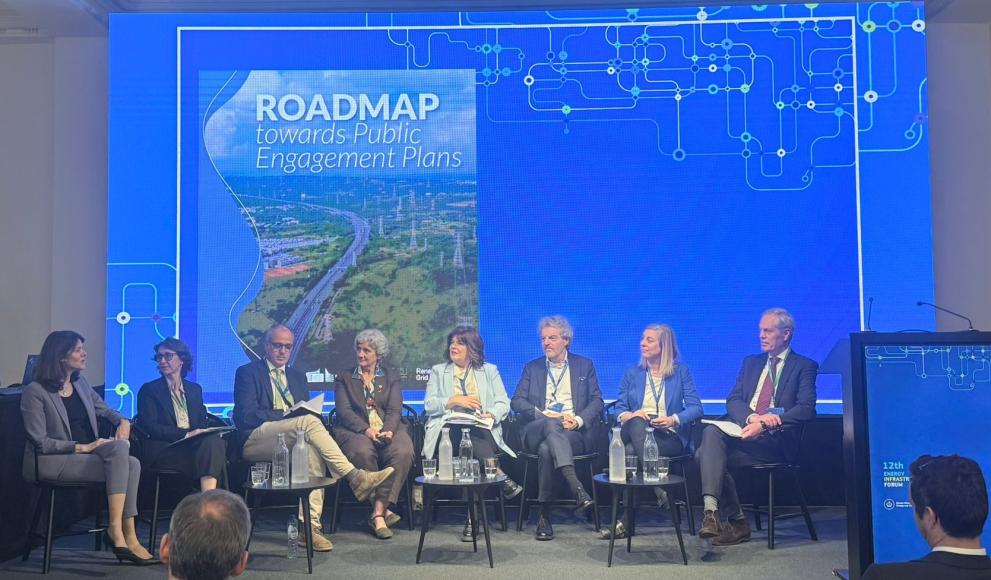
Opposition to new transmission lines or pipeline routes has tripped up countless infrastructure plans. To address this, the Forum spotlighted the Roadmap towards Public Engagement Plans, a Commission-led push to involve citizens at the earliest stages. By laying out project benefits, mitigation measures and community compensation schemes up front, developers can secure a social licence that outlasts political cycles. In practice, such engagement might mean joint workshops, interactive mapping tools or even municipal profit-sharing for local renewable and hydrogen ventures.
A Forward Path
As discussions wrapped up, the central refrain was clear: Europe already has many of the tools needed to build a robust hydrogen infrastructure and electrified grid, but success will hinge on urgent, coordinated action. The clock is ticking not just on climate goals but on securing Europe’s clean-tech edge. With the next wave of legislative reviews and funding decisions looming, member states will soon be racing to launch pilot hydrogen corridors, strike offtake agreements and greenlight smart grid rollouts. The real test will be turning strategy into steel, concrete and electrons—and doing it before global competitors set the pace.