Hydrogen Fuel Cell News: easyh2power’s Dual-Track Systems Propel China’s Aviation Leap
easyh2power, a Tsinghua University–incubated startup, has unveiled scalable liquid-cooled and air-cooled hydrogen fuel cell systems for drones, eVTOLs and regional aircraft, securing financing and partnerships to advance clean aviation in China.
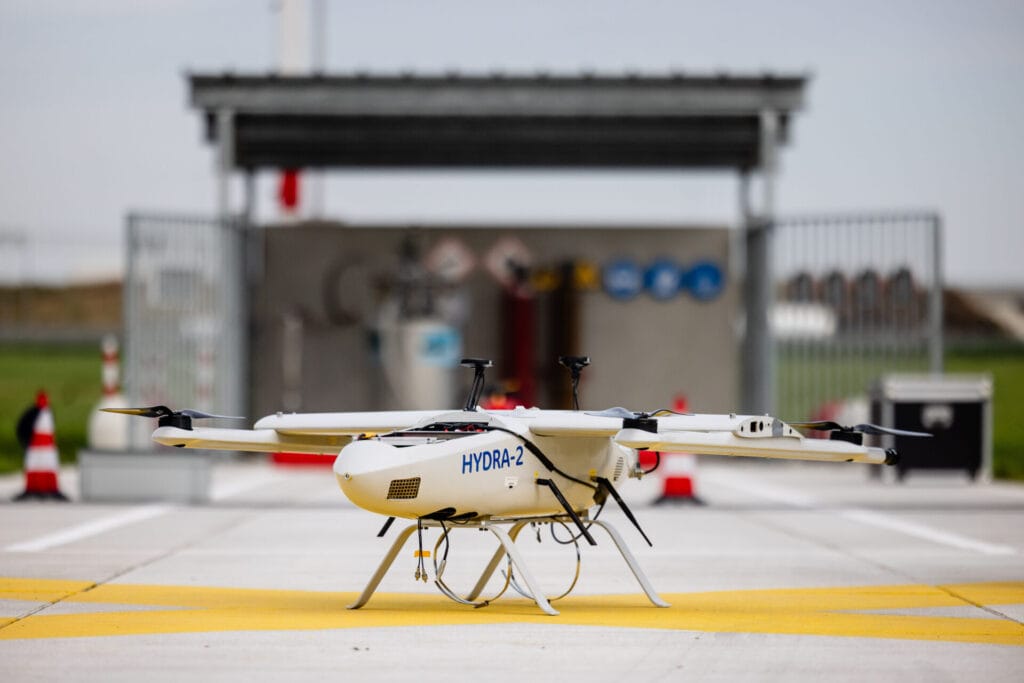
Imagine a future where drones and air taxis are powered by hydrogen stacks, leaving those bulky battery issues in the dust. That’s the dream that easyh2power is making a reality. Fresh out of Tsinghua University’s vibrant tech scene, they’ve recently landed a hefty angel investment worth tens of millions of yuan. What’s more, they’re rolling out both liquid-cooled and air-cooled propulsion systems designed specifically for aviation. This isn’t just talk—it’s ready for takeoff!
Solving the Range Puzzle with Hydrogen
You’ve probably read articles touting the benefits of electric aviation—until you realize their limitations. Need to fly more than just a couple of hours? Those batteries get heavy, charging takes forever, and cold weather doesn't help either. Here’s where hydrogen comes in, offering three to four times the energy density of batteries! Combine that with quick refueling, and we’ve got ourselves a game-changer for hydrogen energy. So, if you’re wondering if hydrogen cars or vehicles can make their way into the skies, the answer is looking pretty promising.
The Secret Sauce: Fuel Cells Unplugged
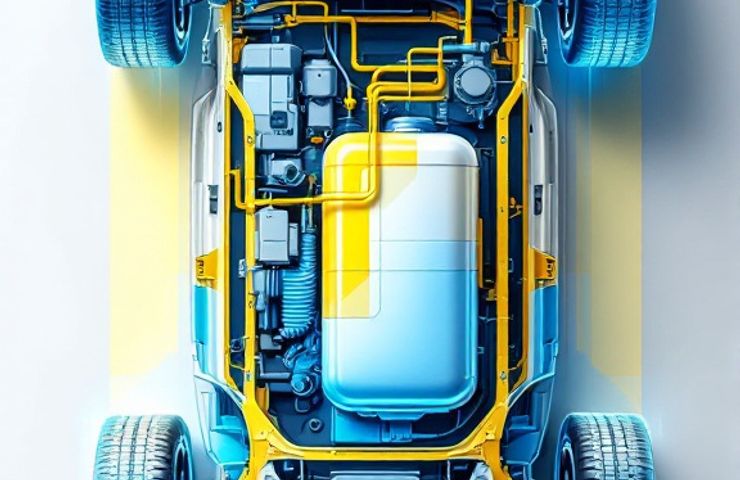
So, what’s the magic behind this? It’s all about the proton exchange membrane (PEM) fuel cell. Picture this: hydrogen meets oxygen in the cell, protons slip across a membrane, and electrons flow around it, powering up the motors. What’s left? Just water and a little heat. In liquid-cooled systems, a glycol-water loop manages the heat. For air-cooled systems, fins and fans keep things cool. Forget about the complex piping and massive radiators; these setups can fit right into wing pods or fuselages—a smart and tidy solution!
Two Paths Forward: Dual-Track Design
easyh2power has taken a clever approach, breaking their development into two main tracks:
This modular design can flex from 30 kW to 300 kW, making them suitable for everything from compact drones to eVTOLs and even regional aircraft in the future.
Proving Flight Performance: Drones to Jets
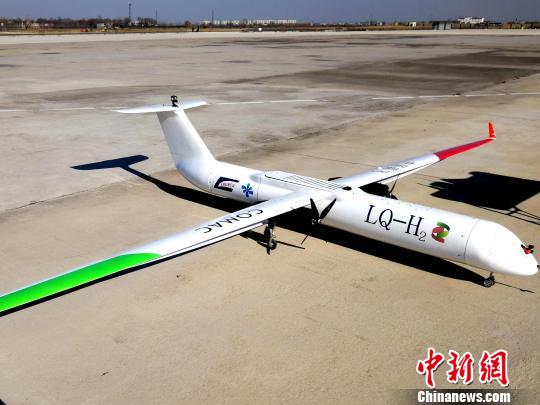
Let’s bring this back to reality. The Chengdu Aircraft Industry Group (Chengfei) has tested an air-cooled stack on a high-altitude drone. The result? A crazy mission lasting 30 straight hours, followed by a 24-hour encore using gaseous hydrogen. Now compare that to battery-operated drones that cap out at about 8 hours. And don’t forget about COMAC, the state-owned airplane manufacturer in China; they’ve already put the Lingque H fuel cell UAV in the skies and tested the ET480 hybrid-eVTOL. They’re now integrating easyh2power’s tech for future trials. Talk about a seamless transition from prototypes to practical applications!
Ready for Rollout: Advantages at a Glance
So why should we care about this for hydrogen infrastructure? Check out these benefits:
Eco-Friendly Benefits
This shift isn’t just about longer flights; it’s also about zero-carbon emissions right where they’re needed. Fuel cells emit water vapor—no CO₂ or nasty particulates here! If we pair these systems with green hydrogen production from renewable sources, we can significantly cut down on emissions upstream, too. Sure, some critics bring up the environmental impact of grey hydrogen, but with China ramping up its wind and solar energy capacity, a clean flying future is not just a pipe dream—it’s very much on the horizon. This could redefine how we look at carbon footprints in aviation.
Aiming for National Ambitions
This isn’t just another startup story. It’s part of China’s grand vision to lead in the clean aviation sector. With the government pushing for renewables, electricity and electrolysis costs are dropping like flies. Plus, domestic hydrogen production is on the rise. Not to mention, COMAC’s partnership ensures a well-oiled supply chain, from fuel stack to aircraft wing. If China can lower the cost of flights compared to kerosene, they may just leapfrog Western competitors in the short-haul and regional market.
Strategy in Play
Zhang Kexun, the brains behind this operation, comes from a robust background in new energy powertrains. With a PhD from Tsinghua and two decades of experience, he’s steering this dual-track approach. Recent financing—backed by Hongniao Qihang and Guizhou Kechuang—shows confidence in the plan. They've already racked up millions in revenue from air-cooled systems, and their pipeline for inspection and logistics drones is stacked high. All signs indicate a climb to tens of millions in sales by year-end.
Putting It All in Perspective
Let’s zoom out for a second. To make this all work, we need a solid base in hydrogen production, storage, and refueling infrastructure. easyh2power has got the end of the chain covered. State Grid, electrolyzer makers, and control system providers—many connected to Tsinghua—are tackling the supply side. Meanwhile, COMAC and Chengfei are gathering platform data to inform real-world applications. It’s an ecosystem that’s moving harmoniously from hydrogen production methods right up to getting fleets off the ground.
What Could Go Wrong?
Of course, there are challenges to tackle. Safety and standards are key here, as hydrogen comes with flammability risks. We’ll need leak detection, ventilation systems, and careful material choices to prevent any mishaps. Protocols for handling hydrogen in its cryogenic forms need to be rock solid. Luckily, material science is advancing, and new sensors and AI diagnostics are on the rise, all set to flag leaks early. Operators will require updated training for safety measures, but these hurdles are very much surmountable with the right coordination.
Get Ready for Takeoff!
This isn’t yet another “hydrogen is coming someday” tale. These fuel cells are not just theory—they're in the air already! Drones are proving their endurance, and COMAC’s prototypes are actively flying. With funding and partnerships in place, as hydrogen infrastructure develops and green hydrogen production costs drop, we might see regional hydrogen aircraft hitting the skies sooner rather than later. Are you ready to rethink the future of aviation? The runway’s clear—let’s fly on hydrogen!