Hydrogen Data Centers: SHPT Deploys Fuel Cells in Egypt’s First Green Backup System
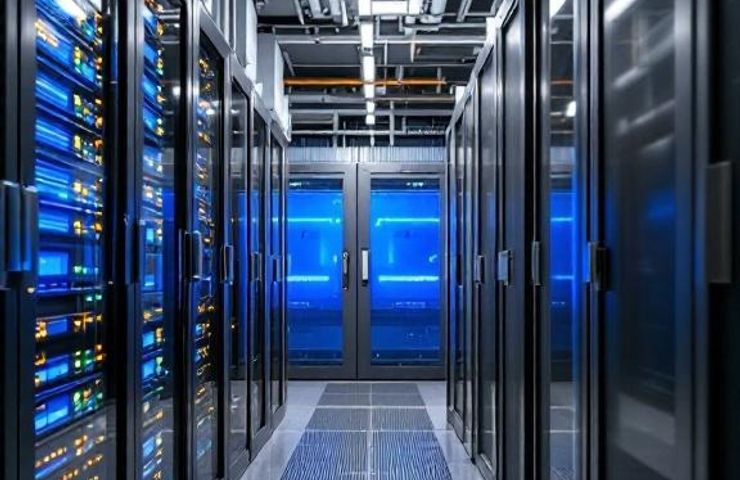
China’s Shanghai Hydrogen Propulsion Technology (SHPT) just shipped its first hydrogen fuel cell backup to power an Egyptian data center. Promoted as Egypt’s inaugural hydrogen data centers emergency supply, the system promises two hours of zero-emission backup to a major mobile operator’s facility — if it lives up to its hype.
Core News
SHPT has dispatched its 100 kW-class hydrogen fuel cell power modules for deployment in a data center serving Egypt’s largest mobile operator by subscriber count. The announcement, circulated via PR Newswire and syndicated by outlets like Yahoo Finance and the Laotian Times, outlines an integrated backup solution combining PEM water electrolysis for hydrogen production, solid-state hydrogen storage, a hydrogen fuel cell power generation system and a battery uninterruptible power supply (UPS). The company claims roughly two hours of uninterrupted power in the event of a grid failure. While billed as Egypt’s first hydrogen emergency backup for digital infrastructure, key details—such as the exact facility location, operator identity and renewable power sourcing—remain undisclosed.
What It Means
This deployment marks a pivot in green hydrogen news from mobility into stationary backup for data centers. Diesel gensets have dominated emergency power, but tightening sustainability mandates and urban air-quality concerns are forcing operators to explore alternatives. Egypt, positioned at the nexus of Europe, Asia and Africa, is ramping up digital infrastructure under national drives like Egypt Vision 2030 and the Digital Egypt strategy. Market intelligence from the U.S. International Trade Administration values the data center sector at about $278 million today, projected to exceed $694 million by 2030. Integrating green hydrogen production and hydrogen infrastructure could trim local emissions while showcasing a blueprint for resilient, low-carbon backup.
Technical Spotlight
At the front end, a PEM electrolyzer converts water into hydrogen and oxygen using electricity—ostensibly from renewables, though contracts aren’t disclosed. The hydrogen is then sequestered in solid materials—metal hydrides or advanced adsorbents—rather than high-pressure tanks. This solid-state hydrogen storage strategy binds hydrogen chemically, reducing leak and explosion risks until thermal or pressure triggers release are applied.
When the grid falters, the battery UPS immediately bridges critical loads, providing millisecond-level ride-through. Simultaneously, the hydrogen fuel cell stacks ramp up: hydrogen at the anode splits into protons and electrons; electrons power an external circuit to generate DC, which is inverted to AC for the data center; protons recombine with oxygen at the cathode to form water. SHPT’s design targets about two hours of sustained output before either grid return or a controlled shutdown. This layered setup—electrolyzer, storage, fuel cell, UPS—demonstrates how hydrogen production, storage and fuel cell technology can be orchestrated into a resilient backup chain.
Parallel Stories
Vendors like Vertiv and Hitachi Energy have published white papers on hydrogen fuel cells for data center backup, often using natural gas–based hydrogen or blends. Early pilots in North America, Europe and Asia proved technical viability but remained niche due to high costs and permitting hurdles. SHPT’s Egyptian project stands out by emphasizing a full green hydrogen cycle—PEM electrolysis and solid-state storage on site—hinting at a replicable template for sun-rich or wind-rich regions seeking hydrogen storage and grid-independent resilience.
Strategic Angle
From a business standpoint, SHPT is showcasing its pivot from vehicle propulsion into distributed power solutions. Data center operators face reputational and regulatory pressure to cut local emissions and align with zero-emission targets, making early adopters keen to signal green credentials. For Egypt, the project dovetails with burgeoning green hydrogen pilots on its Mediterranean and Red Sea coasts, potentially informing future export corridors to Europe. Regulators will monitor safety protocols and permitting processes—setback distances, leak detection and emergency response—potentially shaping standards for future hydrogen infrastructure.
Analyst’s Take
Don’t mistake this for a silver bullet. Two hours of backup meet moderate reliability needs but fall short of covering extended outages in volatile grids. The lack of disclosed renewable power contracts casts doubt on the claimed carbon advantage. Until operators publish uptime metrics, maintenance logs and lifecycle emissions, all we have are manufacturer specs. That said, the integrated chain approach is a valuable demonstration of how green hydrogen production and fuel cell power can mesh at scale. If it runs smoothly, expect SHPT to chase similar deals across the Middle East and Africa—though broader uptake hinges on falling costs for green hydrogen and streamlined regulations.
Looking Ahead
The real test comes when the operator releases performance data and cost comparisons against batteries and diesel gensets. Will this project shift hydrogen news from novelty to bona fide backup contender, or will high upfront costs and integration complexity relegate it to a one-off showcase? For now, it’s an intriguing proof of concept—one that could redefine resilience for green data centers if economics and execution align.