Green Hydrogen Production: Ming Yang Secures License for 8.4 GW Renewables in Ethiopia
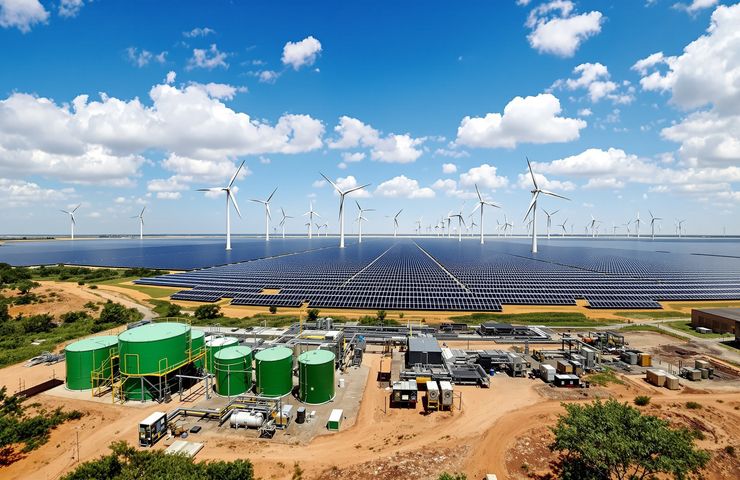
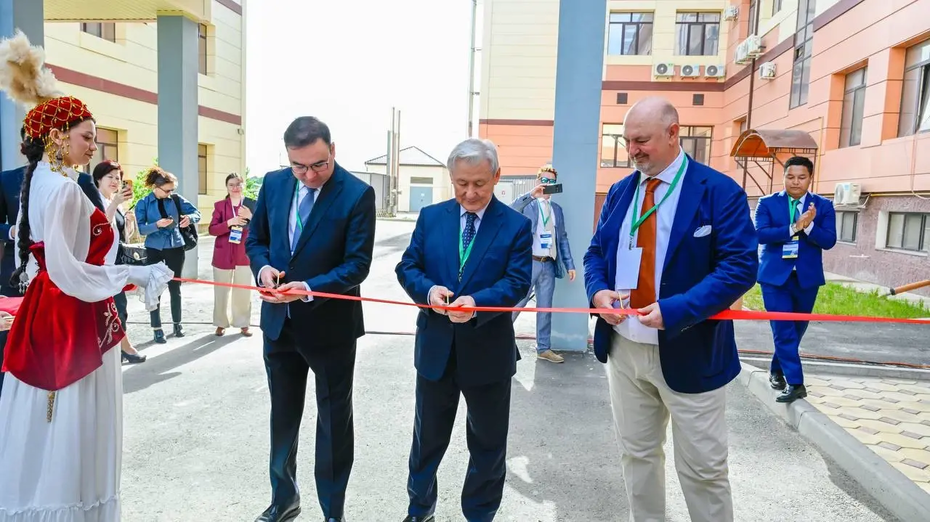
Big splash on Africa’s green hydrogen scene as Ming Yang Smart Energy Group secured an investment license from the Ethiopian Investment Commission. Valued at around USD 14.1 billion, the project will build about 8.4 GW of wind and solar farms and deploy electrolyzers and Haber-Bosch units for green hydrogen and ammonia. This follows a USD 10 billion agreement made at the Invest in Ethiopia Forum earlier this year and advances Ethiopia’s plan to expand renewables capacity. It sets the stage for exporting clean fuels, strengthening the nation’s energy security and laying the groundwork for hydrogen infrastructure.
Founded in 2006 in Zhongshan, China, Ming Yang Smart Energy Group has become a global leader in wind turbine manufacturing and clean energy equipment. Their semi-direct drive turbines reduce gearbox wear, cutting maintenance costs and boosting reliability. Ming Yang also leads offshore wind installations and has expanded into solar storage and hydrogen systems. Its secret sauce is integrating renewables with advanced electrolysis—demonstrated by a pilot that produced hydrogen directly from offshore turbines in Hainan. That experience makes it a natural fit to lead Ethiopia’s large-scale renewables-to-hydrogen project.
Ethiopia brings serious renewable credentials: over 45 GW of hydropower, around 10 GW of geothermal and more than 100 GW of wind potential, paired with high solar irradiation. Its grid already runs mainly on renewables, and the government targets 35 GW of new capacity by 2037. Eastern Ethiopia’s sunny plains, strong wind corridors and underground water make it ideal for electrolysis. The real kicker is the region’s proximity to Djibouti’s deep-water ports, easing export of green ammonia to global markets. This effort fits Addis Ababa’s strategy to become a green energy hub in Africa.
Real-World Solution: Green Hydrogen Production from Renewables
Green hydrogen is made by splitting water via electrolysis using renewable electricity. In this project, wind turbines and solar arrays feed power into proton-exchange or alkaline electrolyzers, where water (H2O) splits into hydrogen (H2) and oxygen (O2). The secret sauce is synchronizing turbine output with electrolyzer demand, kicking intermittency to the curb through smart power management and minimal battery support. Ming Yang’s offshore pilot in Hainan ran reliably over thousands of hours, proving this integrated approach. The hydrogen is then compressed and stored on site, reducing transmission losses and creating a scalable, low-carbon fuel source for downstream use.
Built for the Future: Green Ammonia Production
Green ammonia is produced by combining electrolytic hydrogen with nitrogen from air in Haber-Bosch reactors powered entirely by renewables. Operating under high pressure and temperature with iron catalysts, H2 and N2 form NH3 without CO2 emissions. Ammonia’s high energy density and ease of storage make it a versatile clean fuel and fertilizer feedstock. Facilities will include air separation units, synthesis loops and storage tanks near export routes to Djibouti. By linking turbines, electrolyzers and ammonia plants, the project offers a real-world solution to decarbonize shipping, agriculture and chemical industries using Ethiopia’s abundant renewables.
Strategic Impact: Jobs, Exports, Tech Transfer
With roughly USD 14 billion in investment, the project could generate thousands of jobs in construction, engineering and plant operations. Local communities will receive training programs in turbine assembly, electrolyzer maintenance and chemical processing. Exporting green ammonia diversifies Ethiopia’s economy and creates new revenue streams, reducing reliance on traditional exports like coffee. Technology transfer is another critical benefit: working alongside Ming Yang, Ethiopian engineers will gain hands-on experience with semi-direct drive turbines, high-pressure electrolyzers and Haber-Bosch systems, laying the groundwork for future homegrown renewable projects.
Tackling Challenges with Smart Planning
Large-scale water use in eastern Ethiopia raises sustainability concerns, but advanced treatment, recycling and atmospheric water capture can kick scarcity challenges to the curb. Upgrading transmission lines and grid access will require collaboration with utilities and public-private partnerships. Port logistics in Djibouti must expand to handle ammonia shipments smoothly. Financing must guard against debt stress by combining equity, concessional loans and export credits. Implementing strong environmental, social and governance standards and local content mandates will ensure community benefits and build public trust.
Strengthening Sino-African Green Ties
Serious about leading the energy transition, this partnership highlights China’s green Belt and Road shift toward climate-friendly investments. Over the past decade, Chinese financing powered much of Ethiopia’s hydropower and grid expansion. Now, Ming Yang is bringing renewable generation, electrolysis and ammonia synthesis under one roof. The real kicker is how this could reshape global hydrogen supply chains, with Ethiopia exporting energy-dense ammonia to demand centers in Europe and Asia. Success here could attract multilateral backing and private capital to develop regional hydrogen corridors, moving Africa toward an export-driven green economy.
Bottom line... this license unlocks a blueprint for sustainable industrialization, climate resilience and export-led growth in Africa. By harnessing world-class turbine technology and abundant renewables, the project builds robust hydrogen infrastructure and proves that large-scale green hydrogen and ammonia production is a real-world solution. Built for the future and rooted in local development, it promises to catalyze the next wave of clean energy projects across Africa. It marks a new era for Ethiopia and sets a precedent for clean energy transformation across the continent.