Green Hydrogen Production Demonstration Advances at KRISO’s Offshore Wave Energy Test Site
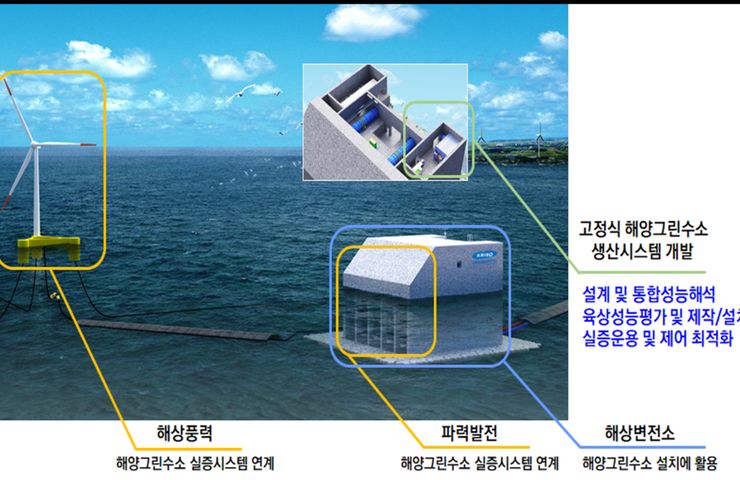
KRISO is demonstrating offshore green hydrogen production at its Jeju wave energy test site, using wave-powered electrolysis to store renewable energy as hydrogen.
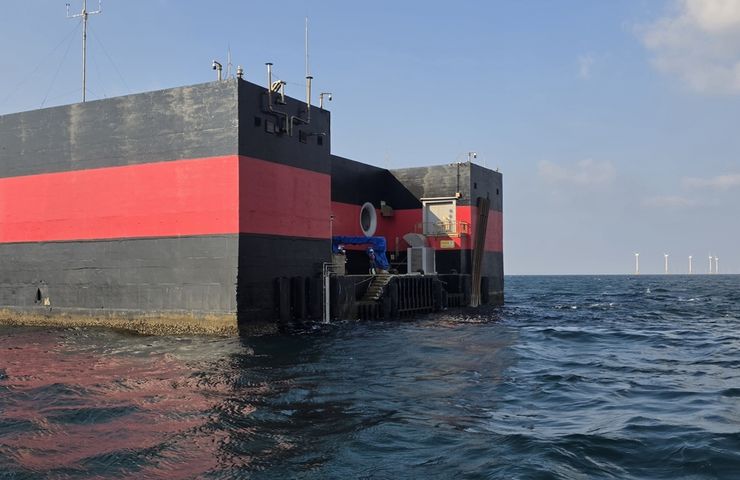
The Korea Research Institute of Ships and Ocean Engineering (KRISO) has kicked off an offshore green hydrogen production demonstration at its wave energy test site off Jeju Island. The aim? To convert marine renewable electricity into storable hydrogen. This initiative not only taps into local marine energy expertise, but also aligns perfectly with South Korea’s goals for carbon neutrality. It’s tackling real issues like grid flexibility and how we integrate renewable energy at sea.
So far this year, KRISO has racked up over 600 hours of real-sea testing using its fixed 100-kilowatt-class system. Alongside a larger marine-energy testbed that boasts five berths and 5 megawatts of capacity, supported by the Ministry of Oceans and Fisheries, this effort highlights South Korea's commitment to enhancing its hydrogen infrastructure in tough maritime environments.
How It Works: From Waves to Hydrogen
The concept is pretty straightforward but incredibly effective: waves push water into an oscillating water column chamber, which is housed within a 32-by-23-meter concrete platform situated about 1.2 kilometers offshore. As the waves roll in and out, the air trapped above the water moves up and down with the tide, which spins a bidirectional turbine connected to an electrical generator. Instead of sending all the power back to shore via subsea cables, KRISO smartly diverts some of it to a 100-kilowatt-class PEM electrolyzer.
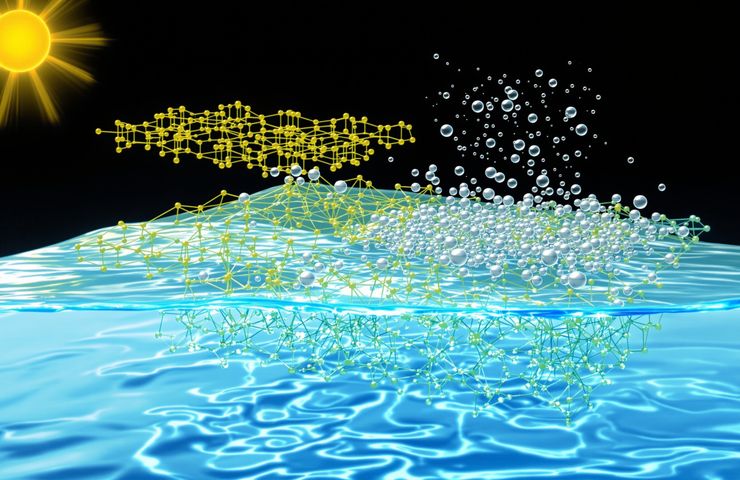
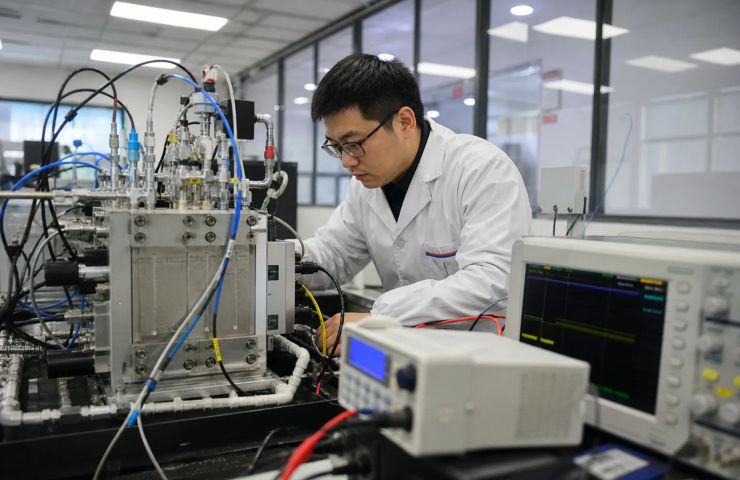
First, seawater is purified right on the platform through a desalination and filtration module, protecting the electrolyzer's electrodes from corrosion. Then, it splits the water molecules into hydrogen and oxygen before drying and compressing the hydrogen for storage in offshore tanks. Meanwhile, the remaining oxygen is safely released back into the atmosphere, and seawater also serves to cool essential components.
This complete process—from wave motion to electricity Generation, desalination, electrolysis, and storage—has been modeled digitally through a digital twin and tested in real sea conditions. Collaborations with well-established partners like Jeju National University have helped develop the test infrastructure, while KRISO leads the charge in hydrogen production advancements.
Real-World Benefits for Jeju and Beyond
As Jeju Island rapidly expands its onshore wind and solar capacity, it’s hitting some grid bottlenecks and facing renewable curtailment. Converting that variable power into hydrogen offshore opens up new avenues, providing an alternative to pricey subsea cable upgrades or land-based battery installations. This produced hydrogen can later fuel a fuel cell to generate electricity when wave intensity drops, or it could be transported back to the mainland as a clean fuel or to support industrial needs.
This demonstration is making a real difference by showing that marine renewable energy can be stored for longer periods and transported as a valuable commodity. By harnessing both offshore wind and wave resources from the same setup, this concept could potentially scale to provide hydrogen to remote islands, coastal data centers, or heavy industry zones that struggle with reliable grid access.
Recent reports indicate that hydrogen storage tanks and a fuel cell are being installed under a regulatory sandbox framework, with practical trials on the horizon. The platform's modular design allows for easy upgrades or replacements of components, and the knowledge gained will guide future off-grid and nearshore hydrogen projects.
Positive Environmental Impact and Local Growth
By generating hydrogen strictly from wave and wind energy, this project avoids direct carbon emissions right at the production site. The only byproduct of the hydrogen-to-power cycle is water, making it a closed-loop system. While conversion losses—estimated around 40 percent—might keep batteries ahead for short-term storage, hydrogen really shines for long-term flexibility and transport.
This effort is rooted in Jeju Island, designed for South Korea’s future, and it brings fresh opportunities for local manufacturers of marine-grade electrolyzers, desalination modules, and corrosion-resistant materials. KRISO’s demonstration has sparked job growth in areas like operations, remote monitoring, and maintenance, while local shipyards and engineering firms are building expertise in offshore hydrogen technologies.
On the environmental side, they’re keeping things responsible with brine management and marine-safety protocols, in collaboration with the Ministry of Oceans and Fisheries. Researchers are also closely monitoring potential impacts on marine habitats and electromagnetic fields around subsea cables to ensure compliance with regulatory standards.
Policy & Partnership Support
This project ties in with South Korea’s Hydrogen Economy Roadmap and their vision for Carbon Free Island Jeju 2030. The Ministry of Oceans and Fisheries has provided backing for the open-sea wave-energy infrastructure, which includes five berths and subsea grid connections. In fact, historical documents show that Jeju National University played a key role as a research partner during the initial development of the test site.
KRISO takes the lead on engineering and demonstration phases, while the regulatory sandbox framework enables the installation of hydrogen storage and fuel cells offshore. This adaptable approach allows them to test safety protocols, permitting procedures, and performance metrics before ramping up to commercial-scale operations.
Looking Ahead: Scaling and Innovation
KRISO is clear that this is still in the research and development phase, not quite a full-fledged hydrogen plant yet. The goal is to gather valuable operational data on integrating marine resources, issues like corrosion, remote control, and safety protocols. These findings will set the stage for the next generation of fixed and floating platforms aiming for megawatt-level electrolyzer systems.
As South Korea aims to grow its hydrogen infrastructure and snag clean hydrogen offtake agreements, this offshore demonstration could open up exciting market opportunities. By leveraging abundant marine resources, the industry might just diversify its supply chains and lessen the dependence on onshore renewables for hydrogen production—especially in regions where land is tight or grid limitations are a headache.
As we look to the future, KRISO’s initiatives underscore that innovation at sea can play a pivotal role in the global clean hydrogen narrative. If this prototype proves robust and cost-effective, we could see a broader adoption of marine hydrogen systems, giving islands, coastal grids, and offshore industries the sustainable energy solutions they need.