Green Hydrogen Production Accelerates in Puglia with €20M Regional Funding
Regione Puglia’s €20M funding for Progetto Bandiera Puglia and Hydrogen Valley JTF accelerates green hydrogen production and industrial decarbonisation in Taranto by backing electrolysis demonstrators and renewable hydrogen plants.
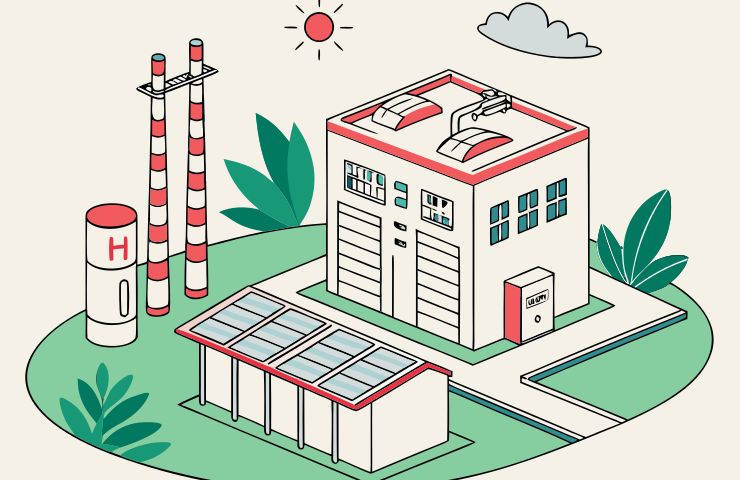
The Regione Puglia has just rolled out two pivotal initiatives—the Progetto Bandiera Puglia and the Hydrogen Valley JTF call. Each one packs a budget of €10 million, set to fund innovative industrial research and the development of renewable hydrogen production plants right in the heart of Apulia's most carbon-heavy zones. It's all about linking local strategies with EU directives and national recovery plans to turn ambitious green hydrogen goals into real-life projects and infrastructure in one of Italy’s most environmentally vulnerable areas.
A Regional Drive for Green Hydrogen
Launched not too long ago, the Progetto Bandiera Puglia initiative is fueled by the Ministry for the Environment and Energy Security, rolling out a directive that invites groups of three to five entities—whether they’re public or private research organizations, energetic startups, or local universities—to dream up experimental development projects. The catch? Each application has to feature a technology demonstrator, such as a prototype electrolyzer or an upgrade of existing production lines for hydrogen integration. Meanwhile, the Hydrogen Valley JTF call is gathering resources from the Just Transition Fund to launch utility-scale electrolysis units alongside solar and storage facilities in Taranto’s industrial zones.
Diving Into Electrolysis at Scale
At the heart of these initiatives is the production of renewable hydrogen through water electrolysis powered by solar and wind energy. This process involves splitting water into hydrogen and oxygen using electrochemical reactions, governed by technologies like proton exchange membrane (PEM) or alkaline methods. Picture this: dedicated solar panels soaking up the sun, converting sunlight into direct current that powers high-pressure electrolyzer stacks. Hydrogen pops out at the cathode, ready for purification and storage or direct use. By bringing electrolysis together with on-site renewable energy generation, these projects tackle challenges around hydrogen infrastructure, reducing transmission losses and creating an impressive green hydrogen production model from start to finish.
Taranto’s industrial backdrop provides a unique testing ground: it has considerable electricity needs, existing gas pipelines, and old sites ripe for redevelopment. Earlier funding rounds awarded projects to companies like Solarind Green and Panita to set up electrolysis units near the old steel complex, paving the way for lessons on grid connections and permitting. Now, with the Hydrogen Valley JTF call, applicants can snag grants covering up to 95% of eligible costs—topped at €10 million per project—to build modular green hydrogen facilities alongside battery or pumped-hydro storage solutions. This generous grant structure lowers the financial risks involved and draws a variety of players, including energy service providers and local utilities, to help shape a budding hydrogen economy.
Leveraging EU Funds Strategically
These regional initiatives serve as a prime example of how EU cohesion policy can be utilized to spur real industrial decarbonization. The Just Transition Fund highlights Taranto as a focal point due to its carbon-heavy history, directing resources to diversify its economy while ramping up renewable energy and hydrogen solutions. By combining national funding for research prototypes with JTF support for key infrastructure, Puglia is bridging that common gap between ambitious policies and actionable projects that often leaves early-stage hydrogen initiatives in limbo. For those involved, this blend of funding lays bare the importance of collaboration across programs when it comes to securing hydrogen project financing in delicate industrial settings.
Staying on Track with Regulations
Staying away from blue hydrogen or direct subsidies for large companies is a must, according to regulations. The EU Regulation 2021/1056, which governs the JTF, specifies that funds should only support renewable hydrogen pathways. To abide by this, regional authorities have integrated compliance checks into the call design, making sure projects steer clear of fossil-fuel-derived hydrogen and meet environmental standards, especially around protected Natura 2000 areas. With a keen Parliamentary eye on past proposals near the old ILVA plant, there’s a strong push for transparency in selection criteria and solid offtake commitments, which positions Regione Puglia’s programs as a testing ground for compliant hydrogen infrastructure development.
Building Local Skills and Creating Value Chains
A big part of the regional strategy involves growing local talent and supply chains. Universities, research labs, and SMEs in Apulia are encouraged to team up for the Progetto Bandiera Puglia, collaborating on R&D experiments and pilot retrofits. This teamwork boosts knowledge sharing on designing electrolysers, hydrogen storage materials, and fuel cell integration. Additionally, contractors and service companies can step in to install and maintain electrolysers, compressors, and pipelines, helping to cultivate a green workforce prepared for the future. By grounding demonstrators in real operational settings, Regione Puglia aims to embed technical know-how into local community clusters, accelerating industrial decarbonization beyond just a handful of pilot projects.
Learning from Broader Initiatives
This funding initiative in Puglia builds on Italy’s National Recovery and Resilience Plan (PNRR) hydrogen strategies and the EU’s IPCEI Hy2Infra project, which boasts a whopping €370 million in backing for a Puglia Green Hydrogen Valley that stretches across Brindisi and Taranto. The plan forecasts around 160 MW of electrolysis capacity tied into revamped gas networks and new distribution pipelines, courtesy of Snam. Insights from these larger programs—on aspects like permitting, upgrading the grid, and engaging stakeholders—are now shaping the regional calls, ensuring that these smaller-scale grants align well with bigger infrastructure goals. This layered strategy shows how national, regional, and EU initiatives can synchronize around hydrogen as a key player in decarbonization.
What This Means for Industrial Decarbonization
Green hydrogen could be a game-changer for cutting CO2 emissions in high-temperature processes and heavy transport. In Taranto, where steel and chemical factories have long relied on fossil fuels, swapping gas-fired furnaces or diesel generators for renewable hydrogen could lead to significant drops in emissions and better air quality. Plus, practical applications—like blending hydrogen into existing natural gas boilers or operatinig fuel cell forklifts—validate integration strategies. As these projects unfold, Puglia might just set an example for other European industrial hubs facing the dual challenges of climate goals and socio-economic stability.
Looking Forward
With proposal deadlines approaching and selection panels gearing up, the coming months will really put Puglia’s hydrogen project financing model to the test. If successful projects get the green light, it could spark private co-investment, opening up more funding for pipeline expansions or storage setups. On the flip side, any hiccups with permits or grid connections could slow progress. Observers will be keeping an eye on how selected teams negotiate offtake agreements with industries and local utilities, ensuring there’s a steady demand once the construction dust settles. At the end of the day, these early steps will help determine whether Puglia cements its status as a southern European hotspot for green hydrogen production and infrastructure.
In a time when industrial decarbonization calls for bold new ideas, Regione Puglia’s €20 million funding package embodies both vision and practicality—creating demonstrators that can scale and backing production plants that are foundational to a new energy economy. As the concept of a hydrogen valley evolves from plan to reality, Taranto’s transformation could stand as a guiding light for regions around the globe striving to balance economic renewal with a commitment to zero-emission technologies.