Toyota Files U.S. Patent for Hydrogen Series-Hybrid Powertrain
Toyota’s U.S. patent filing for a hydrogen-combustion series hybrid powertrain highlights a path to blend engine know-how with electric propulsion, yet real-world success hinges on hydrogen production, storage and infrastructure.
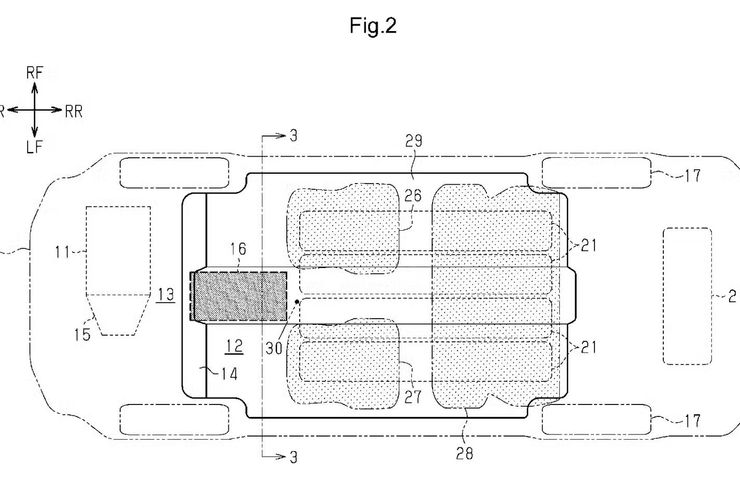
Toyota Motor Corporation has just dropped a new U.S. patent application for an innovative hydrogen-combustion series hybrid powertrain concept. This design uses a hydrogen-fueled internal combustion engine to drive a generator, which produces energy for a traction motor and a relatively small battery. Exciting, right? This development is putting Toyota right in the mix of clean hydrogen news as they look for ways to blend their expertise in engine technology with electric propulsion in hydrogen vehicles—without actually connecting the engine directly to the wheels.
So, automotive outlets like CarBuzz and HotCars have picked up on this story, but they’re sounding a bit cautious. Remember, patents are all about ideas in the works; they don’t guarantee that a product is ready to hit the market just yet. A quick lookup at the United States Patent and Trademark Office indicates that Toyota’s application—potentially cataloged under US20260159066A1—covers a hydrogen generator-electric motor combo and has some details about battery control functions. However, specifics like the setup for underfloor hydrogen storage and the positioning of the center-tunnel battery are still a bit hazy until we get a look at the full patent text.
Series Hybrid Layout Aligned with Electric Vehicle Trends
The design itself is essentially a classic series hybrid, also known as an extended-range electric vehicle (EREV) or range extender electric vehicle. In this setup, the hydrogen engine is responsible for turning a generator that charges the battery while an inverter-driven electric motor does the work of pushing the wheels. Nissan’s e-POWER system has shown that this concept can work with gasoline: the engine runs at optimal speeds to produce electricity without a direct mechanical link to the wheels. Toyota’s spin on this is to swap in hydrogen, which then points to the need for new fuel supply systems, combustion methods, and exhaust controls designed specifically for a hydrogen internal combustion engine.
Packaging Innovation: Underfloor Hydrogen Tanks and Center-Tunnel Battery
Here’s where it gets a bit more interesting: Toyota’s patent sketches suggest that they’re thinking about placing high-pressure hydrogen tanks beneath the floor pan. This proposal helps free up some much-needed space in both the trunk and cabin while positioning part of the traction battery in the center tunnel. This arrangement is aiming at improved weight distribution and a lower center of gravity—factors that could enhance handling down the line—while also maximizing interior space. Of course, meeting safety standards for hydrogen storage necessitates thorough crash tests, leak-detection systems, and robust shielding to protect those tanks. They’ll have to balance ground clearance and structural reinforcement to keep everything practical, too.
Engineering Logic and Efficiency Trade-Offs
By tying the hydrogen engine to a generator instead of the wheels, Toyota brings several benefits to the table: you get more consistent engine loads, simpler calibration, and smoother power delivery. The battery takes care of those sudden acceleration needs and helps recapture energy through regenerative braking. But here’s the kicker: each step of converting energy adds some loss. The process of turning hydrogen combustion into electricity and then converting that to drive isn’t as efficient as fuel-cell vehicles. Some independent reviews have pointed out that while hydrogen internal combustion engines avoid CO2 emissions at the tailpipe, they can still produce nitrogen oxides (NOx) from high-temperature combustion. This means there’s a need for additional controls like selective catalytic reduction. Academic studies, including those from the University of California, Davis, underline that hydrogen internal combustion engines in series hybrids tend to lag behind the efficiency of fuel-cell vehicles and pure battery EVs, stressing the importance of top-notch emission controls.
Hydrogen Production and Infrastructure Challenges
Now, just because you’re getting zero emissions at the tailpipe doesn’t mean the whole story is green. Life-cycle emissions hinge on how the hydrogen is produced—whether through methods like electrolysis powered by renewables, steam methane reforming with carbon capture, or using biogas. Globally, most hydrogen is still produced using fossil fuels, and ramping up low-emission hydrogen through electrolysis or biogas remains a pricey endeavor. Until green hydrogen production methods see significant cost reductions, any hydrogen vehicle will likely rely on carbon-intensive sources or high investments in renewable-powered electrolysis. Plus, with hydrogen refueling stations still in their infancy, hydrogen infrastructure poses a significant hurdle. Placing those underfloor tanks makes sense only if there’s a network of certified high-pressure refueling stations in place—so while Toyota’s patent marks a noteworthy engineering feat, it does push the broader logistical issues aside for the moment.
Regulatory and Market Considerations
Many regions have strict definitions of what qualifies as a zero-emission vehicle, often hinging on the absence of any combustion exhaust. This leaves Toyota’s hydrogen internal combustion engine concept facing a bit of a regulatory grey area: even though it doesn’t emit CO2 from the fuel, it can still produce NOx in its exhaust. As a result, policymakers might view hydrogen internal-combustion vehicles differently than fuel-cell or battery-electric models, especially when it comes to emissions regulations, tax benefits, and zero-emission mandates. In Europe, for example, lawmakers are tightening tailpipe standards and promoting zero-emission mandates for light-duty vehicles, while alternative-fuel networks in commercial and heavy-duty transportation often include hydrogen. The fate of Toyota’s series hybrid idea could very well depend on clear regulations and incentives that recognize its carbon-neutral potential.
Toyota’s Multi-Pathway Strategy in Action
Toyota isn’t just dipping their toes into the water; they’re diving in with a broad approach to leading the energy transition. They spearheaded the Mirai fuel-cell electric vehicle and are now refining hydrogen combustion engines through motorsport collaborations with Denso Corporation and Yamaha Motor Co.. Racing variants like the GR Corolla H2 are helping Toyota stress-test engine durability under extreme conditions, ultimately informing potential commercial applications. Meanwhile, their battery-hybrid and pure EV programs are expanding, reinforcing that hydrogen combustion is just one of several ways they’re tackling low-emission transport. Toyota is also looking into stationary generators and heavy-duty applications, plus integrating electrolyzers, highlighting ambitions that stretch far beyond just passenger cars.
Potential Use Cases and Applications
This hydrogen series-hybrid powertrain could be a game-changer for applications where quick refueling and flexible range really matter—think taxis, ride-hailing services, and regional delivery vans. A more compact battery helps reduce costs and weight, while hydrogen tanks can provide range and refueling times on par with traditional fuel sources. For logistics operations or corporate fleets aiming for net-zero emissions without needing extensive charging infrastructure, a hydrogen EREV chassis could be an ideal transition solution. Heck, it might even inspire retrofitting existing diesel setups and serve as stationary backup power for green data centers looking for reliable clean energy options.
Comparison with Battery-Electric and Fuel-Cell Vehicles
When folks debate hydrogen fuel cell vs battery electric, Toyota’s hydrogen engine series hybrid could serve as a happy medium. It retains familiar engine manufacturing and quick refueling, all while trimming down battery size and weight as compared to full battery electric vehicles. Yet, it’s important to note that fuel-cell vehicles like the Mirai offer higher tank-to-wheel efficiency and don’t produce any NOx. Plus, battery EVs are riding a wave of rapidly expanding charging networks. Ultimately, the real-world impact of this patent will depend on whether the packaging benefits and reduced battery demands outweigh the extra energy losses inherent in this two-step energy journey.
Looking Ahead: From Patent to Production?
So, does a patent filing mean we’ll see a production model soon? Not necessarily. Right now, Toyota’s EREV manufacturing in China uses gasoline generators, and nothing has been confirmed regarding a shift to hydrogen. There are even unverified claims about a production start in spring 2027 with potential volumes in the hundreds of thousands. What’s clear is that Toyota is exploring new strategies to cut down battery size while maintaining electric drive and leveraging their engine expertise. Success hinges on strong hydrogen production, an established refueling network, regulations that recognize hydrogen internal-combustion vehicles in carbon-neutral programs, and customer demand.
In summary, Toyota’s U.S. patent for a hydrogen-combustion series hybrid represents a forward-thinking engineering exploration situated at the intersection of hydrogen production, green hydrogen production methods, and vehicle electrification. It shines a light on the strategic allure of hydrogen for transportation while also highlighting some of the real challenges tied to hydrogen infrastructure. As the industry works toward carbon neutrality, this patent could potentially pave the way for the next generation of hydrogen vehicles—assuming the supply chain and refueling networks can keep pace with its promise.