Toyota and Ohmium Join Forces on Green Hydrogen Microgrids for India’s Energy Transition
Toyota and Ohmium have partnered to develop green hydrogen microgrids in India, pushing clean, off-grid power solutions aligned with the National Green Hydrogen Mission.
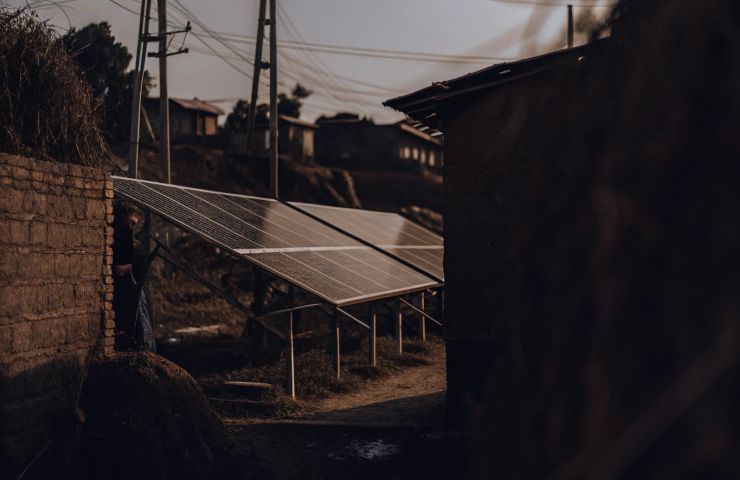
June 26, 2025 turned out to be a big day for India's clean energy efforts. That’s when Toyota Kirloskar Motor Pvt. Ltd. (TKM) and Ohmium International signed a game-changing Memorandum of Understanding (MoU) in New Delhi. The two companies are teaming up to bring green hydrogen-powered microgrids to life—energy systems that could bring power to places still stuck in the fossil fuel age or struggling with unreliable electricity.
Hydrogen Microgrids: Clean, Local, and Built to Last
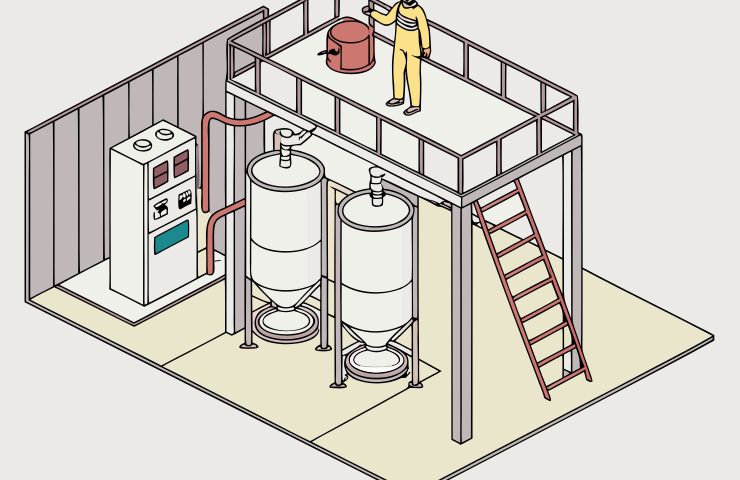
The aim here is refreshingly simple: build a plug-and-play hydrogen microgrid that produces zero-emission electricity. The setup works like this—Ohmium’s modular PEM electrolyzers will use solar or wind energy to produce hydrogen onsite. That hydrogen then gets stored and later fed into Toyota’s PEM fuel cells to generate clean electricity when and where it's needed.
One Toyota engineer summed it up well: “This isn’t just clean energy. It’s on-demand, off-grid energy that can go where the grid can’t.” That’s a big deal for remote areas, industrial zones with patchy power, and critical infrastructure like data centers, rural clinics, and manufacturing hubs—places where energy needs are high and reliability is everything.
Built on Local Strengths, Backed by Global Know-How
What makes this partnership so exciting is how grounded it is in India's own capabilities. Ohmium runs one of the country’s largest PEM electrolyzer plants out of Bengaluru, helping reinforce a strong ‘Make in India’ industrial base. That means local production, local jobs, and supply chains that don’t stretch halfway across the world.
On the other hand, TKM isn’t new to this game—they’ve tested the Toyota Mirai in India and helped roll out hydrogen fuel cell systems for buses and trucks. So while Toyota brings 30+ years of global R&D in hydrogen, Ohmium brings rapid deployment and modular flexibility. Together, they’re bridging the gap between bold national ambition and practical, boots-on-the-ground action.
Boosting India's Green Hydrogen Game
This collaboration plugs right into the country’s bigger vision. Under the National Green Hydrogen Mission launched in 2023, India’s aiming to roll out large-scale hydrogen production and use by 2047. The ultimate goal? Net-zero emissions by 2070. And with India still heavily reliant on coal and oil—as the third-largest emitter worldwide—that’s no small task.
Green hydrogen offers a way forward. It's clean, versatile, and can decarbonize hard-to-abate sectors like steel, chemicals, heavy transport, and power. But to get there, the tech has to be affordable, efficient, and widely available—which is exactly what TKM and Ohmium are working to make happen.
How the Technology Works: PEM Electrolyzers Meet Fuel Cells
So, what’s under the hood? PEM electrolyzers take renewable electricity—say, from solar or wind—and use it to split water into hydrogen and oxygen. That hydrogen is then stored until it’s needed. When demand kicks in, it flows into a PEM fuel cell that mixes it with oxygen from the air to make power and water. No smoke, no fumes—just clean electricity.
Ohmium's systems come in shipping container-sized modules, meaning they can be quickly dropped in just about anywhere. And Toyota’s fuel cells, already proven in vehicles, are now being adapted for the kind of tough, stationary energy needs seen across India’s varied regions.
Ripple Effects: New Jobs, Cleaner Industries, and Scalable Solutions
If this hydrogen microgrid model takes off, the impact could be enormous. It means industries can get cleaner power at predictable costs. It means rural and remote communities could finally count on stable electricity. And it opens a new door to industrial decarbonization without waiting for the national grid to catch up.
The spillover effects aren’t bad either—ramping up local manufacturing of fuel cells and electrolyzers could create thousands of skilled jobs, boost exports, and drive forward India's clean tech economy. And it sets up a template that can be replicated across South and Southeast Asia, where the appetite for power is growing fast but infrastructure still lags behind.
Closing Thoughts: Not Just Hype. Real Progress.
This isn’t some far-off dream or conceptual whitepaper. It’s a real project, backed by serious players and already aligned with both policy and market needs. Sure, there are obstacles—green hydrogen still needs to compete on price with diesel, and there’s work to be done on regulations and scaling. But if this pilot proves what it aims to, more support will follow—investors, policymakers, and communities alike.
This might quietly become one of the most important steps India takes in its clean energy transformation. With Toyota and Ohmium teaming up, hydrogen microgrids could help rewrite the country’s power playbook—away from fossil fuels, toward a greener, more reliable, and self-sufficient future.