FuelCell Energy and Fit Energy Secure Up to 380 MW On-Site Hydrogen Fuel Cell Capacity for Data Centers
FuelCell Energy and Fit Energy unveiled a phased 380 MW hydrogen fuel cell power deal for data centers, featuring a firm 30 MW start, milestone‐based financing, long‐term service contracts and performance‐linked warrants.
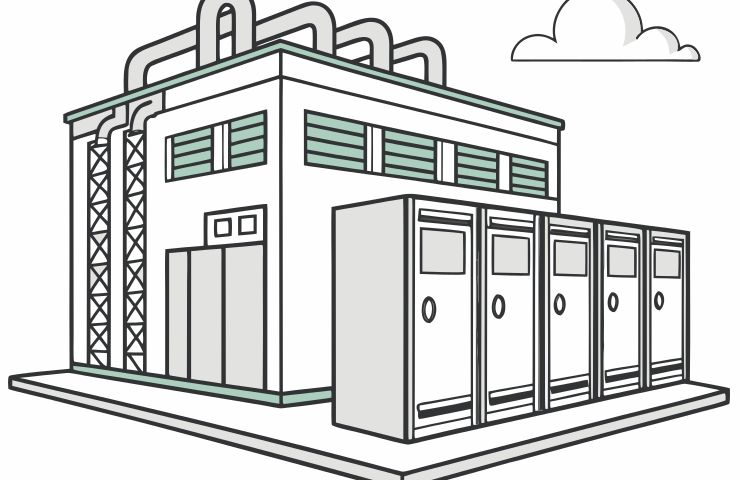
This June, FuelCell Energy has teamed up with Fit Energy USA LP to kick off a pretty exciting venture. They’ve struck a deal that aims to bring in up to 380 MW of on-site fuel cell capacity to power data centers and advanced computing facilities. This announcement is definitely making waves in the world of hydrogen fuel cell news, shining a light on the growing importance of hydrogen infrastructure for today's innovative, AI-driven setups.
So, what's in the deal? Here are some key highlights:
What’s So Special About Carbonate Fuel Cell Technology?
At the heart of this agreement are those 12.5 MW carbonate fuel cell power blocks from FuelCell Energy. These nifty systems aren’t your ordinary power generators—they convert fuels like natural gas, biogas, or hydrogen into electricity and heat without burning anything. It’s all about electrochemical reactions happening at the anode and cathode levels, producing energy while releasing fewer emissions like NOₓ and SOₓ. For data centers, which often have strict environmental and reliability standards to meet, this makes carbonate fuel cells a pretty appealing option.
Each 12.5 MW block packs in multiple cell modules along with components that help manage plant operations and cooling. They can be set up either behind the meter or integrated into microgrids, and the system’s ability to capture waste heat could actually help offset the need for traditional cooling systems, leaving more room for computing loads. FuelCell Energy is ramping up its manufacturing capabilities to hit a production target of 500 MW per year, which should solidify their position in this emerging market.
Breaking Down the Deal Structure and Financing
With the energy-as-a-service model that Fit Energy champions, data center operators can skip out on hefty upfront costs for infrastructure. Fit Energy takes care of long-term ownership and seamlessly integrates these fuel cell plants into existing power systems, whether they’re tied to the grid or stand-alone. The structure of the deal includes:
This phased approach not only aligns with the scaling up of manufacturing but also fits with what customers need and the timeline Fit Energy is working toward. It also means that when the options convert into actual projects, they’ll be in sync with market demands and site preparations.
Why This Matters for Hydrogen Data Centers
Data centers are consuming more electricity than ever, and with AI and cloud services expected to skyrocket demand by 2030, on-site fuel cell systems could help alleviate stress on the grid. They also cut down on transmission losses and provide reliable baseload power. Unlike traditional gas turbines or diesel generators, carbonate fuel cells offer a bunch of advantages:
By laying out this deal with optional phases and incentive-based structures, FuelCell Energy and Fit Energy have crafted a commercial setup that balances risk and potential rewards. It sends a clear message to both investors and data center operators that fuel cells can step in as primary sources of power rather than just safety nets.
The Backstory and Company Context
FuelCell Energy has been in the game for a while, tracing its roots all the way back to the Energy Research Corporation founded back in 1969. Over the decades, they’ve made a name for themselves by commercializing carbonate fuel cells for a range of clients—utility companies, industries, and municipalities—delivering millions of megawatt-hours of low-emission energy across the globe. Recently, they’ve turned their focus toward digital infrastructure, launching their standardized 12.5 MW power blocks, and ramping up manufacturing to keep up with the demand of tomorrow.
Fit Energy USA LP, hailing from Florida, focuses on developing energy infrastructure specifically for high-power operations. With CEO Joel Leonoff at the helm, the company has been structuring long-term ownership models that allow clients to integrate power solutions without the hefty price tags. This partnership with FuelCell Energy marks their first major data center project, which is a significant milestone that highlights the need for scalable, low-emission power generation as we dive deeper into AI deployments.
Looking at Environmental and Policy Impacts
Now, while carbonate fuel cells do help cut down on local emissions and can enhance efficiency, the actual climate benefits hinge on the mix of fuels used. Cells powered by natural gas still kick out CO₂, but less than traditional combustion engines. Bringing in renewable hydrogen or biogas could lower greenhouse emissions even further, making it a great fit for today’s decarbonization goals. As data center emissions come under tighter scrutiny, on-site fuel cells might just be the key part of the solution storming in alongside renewables and energy storage.
From a life-cycle perspective, the overall carbon savings really depend on where the fuel comes from. Areas without access to low-carbon gas sources might not see as significant reductions compared to regions that can seamlessly integrate renewables and storage options. Plus, we can’t forget about the water and land needs for hydrogen production, especially when electrolysis comes into play. Clear environmental assessments and ongoing communication with local communities will be critical if they want to win support.
Market Impact and Future Perspectives
The setup and scale of this agreement could change how investors look at hydrogen project financing for data center deals. Institutional investors might view this phased approach, which ties payments to milestones, as a model for mitigating risk. If FuelCell Energy and Fit Energy hit their targets, it could open the floodgates for similar contracts, driving capital toward clean hydrogen news and expanding hydrogen infrastructure across both commercial real estate and industrial sectors. On the flip side, if they face delays or cost overruns, it could cool off the excitement—emphasizing the need for transparent reporting throughout those 15-year service agreements.
Beyond just data centers, this deployment of 380 MW of carbonate fuel cells is a solid step forward in the larger energy transition. Scaling up production is crucial for reducing costs, and this agreement backs up the production lines that are gearing up to hit that 500 MW annual target. It also showcases just how flexible fuel cell technology is, especially when compared to battery electric options where consistent, reliable power is non-negotiable.
The Regulatory and Investment Landscape
Governments are increasingly weaving clean hydrogen production and storage techniques into their energy agendas. Incentives for low-carbon energy generation could really jumpstart the move away from standard grid reliance toward dedicated on-site solutions. Tax breaks, payments for capacity, and carbon pricing will all come into play when calculating the economics for these installations. Developers weighing the pros and cons of hydrogen fuel cells against battery electric options will need to keep an eye on long-term operating costs and the permitting hurdles specific to their sites.
As these projects evolve from concepts to reality, stakeholders will keep a close watch on critical metrics like capacity utilization, net efficiency, and the flexibility of fuel options. The outcomes of these ventures will likely inform future policies and potentially shape standards for industries looking to reduce their emissions by utilizing on-site power generation.
In the end, the partnership between FuelCell and Fit Energy represents a bridge between technical readiness and commercial potential. It’s definitely worth tracking how the first 30 MW phase rolls out and any updates around integrating green hydrogen—those will be pivotal in unleashing the potential of zero-emission tech in our data-centric economies.