Hydrogen Fuel Cell News: EXIM Backs U.S. Export of FuelCell Energy Technology to South Korea
FuelCell Energy landed $49 million in EXIM financing to export its carbonate fuel cell systems to South Korea, illustrating how structured public support can boost US clean energy exports, back domestic manufacturing, and spawn new reference cases for global hydrogen infrastructure.
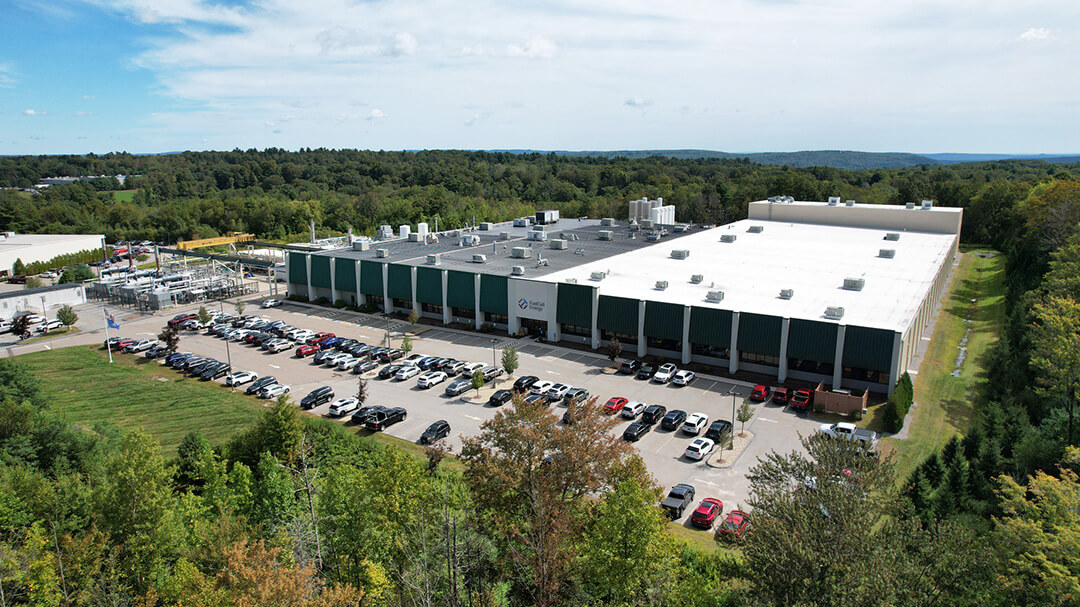
Have you ever thought about how a clean tech company in the US could make waves in energy markets halfway around the globe? Well, that's exactly what FuelCell Energy is doing! They’ve just landed about $49 million in funding from the Export-Import Bank of the United States (EXIM) to roll out their cutting-edge fuel cell technology in South Korea. This move highlights how industrial policies, climate goals, and global trade are coming together in the world of hydrogen and fuel cells.
So, Why South Korea?
South Korea has really turned things around over the years, evolving from a war-torn nation to a tech-savvy leader with a strong focus on energy security and tackling climate change. With limited fossil fuels of its own and a lot of people packed into cities, South Korea needs reliable, low-emission energy—not just as a green goal, but as a crucial strategy for the future.
By using US-made carbonate fuel cells that operate at temperatures between 600 and 700 °C, the country can improve urban air quality and boost grid stability right in the areas where demand is high. And with hydrogen production becoming more of a hot topic, these fuel cells can easily fit into broader plans for hydrogen infrastructure and hydrogen production, potentially linking up with solid oxide electrolysis down the road for green hydrogen.
Plus, South Korea's government is really backing this hydrogen push with incentives. Their subsidies for distributed generation and building out hydrogen supply chains provide early-adopting utilities with both the technical know-how and the financial boost they need, turning the country into a testbed for technologies that might find it tough in more lenient markets.
Turning Policy into Power Plants
The fact that EXIM is supporting FuelCell Energy shows a change in direction from funding fossil fuel exports to backing clean energy tech. Over the last decade, EXIM has expanded its focus to include renewables and cutting-edge hydrogen solutions. But when it comes to mega-projects like fuel cell parks that can power data centers, industrial sites, or microgrids, the stakes are much higher.
One size doesn’t fit all, either. FuelCell Energy has a diverse lineup, from combined heat and power systems to setups that run on biogas and even configurations ready for carbon capture. This flexibility means that the same technology can tackle everything from urban air pollution to providing heat for industrial processes, fitting perfectly with Seoul’s goals of both reducing pollution and driving economic growth.
Building Scale and Confidence
When a major US export credit agency backs a project with nearly $50 million, it sends a big message: American fuel cell manufacturers are not just players in a niche market—they’re serious contenders on the world stage. Public funding can help ease the risks for private investors, paving the way for more deals to follow.
Other global players in the stationary fuel cell market are keeping a close eye on this situation. If FuelCell Energy’s rollout in South Korea goes well, it could inspire confidence in regions like Japan, Europe, and Canada, where energy resilience is a top priority, especially for data centers and other critical facilities. Once one major deal gets past the regulatory and performance checks, it could open the floodgates for others to follow.
Why This Matters for Hydrogen Markets
You might be thinking, why does exporting carbonate fuel cells matter for the hydrogen scene? Well, first off, these projects provide real-world operational data that serve as proof points for investors and policymakers who are considering future green hydrogen production plants based on solid oxide electrolysis. Secondly, having reliable, on-site power makes it way easier for industries to justify adding electrolyzers, which can boost hydrogen production overall.
As national hydrogen strategies evolve—from Seoul to Washington DC—successful demonstrations can serve as reference points. If US-made fuel cells show they work well, it could push other markets in Asia to adopt the same technology, creating a positive feedback loop of demand, increased manufacturing, and lower costs throughout the hydrogen value chain.
Ripple Effects on U.S. Manufacturing
For FuelCell Energy, which sources about 90% of its supplies from US-based companies, this deal is a great way to keep their factories busy. Consistent orders help drive down production costs over time, which is essential for competing with established players in the clean hydrogen space.
Stakeholders will be keeping a close watch on job creation and the impacts on supply chains. By maintaining a largely domestic supplier network, the economic benefits of each order are likely to flow back to local communities—a significant argument when lawmakers are weighing support for clean versus traditional energy exports.
Looking Ahead
So, what does this $49 million financing deal really mean? It’s standing at the crossroads of trade policy, clean energy progress, and economic competitiveness. It raises an important question: can export credit agencies worldwide adjust their portfolios quickly enough to support the energy transition? If done right, these financial tools could be just as crucial for financing hydrogen projects as they once were for oil and gas.
One thing’s for sure: sending advanced fuel cell systems from the US to South Korea is more than just a single transaction; it’s a significant step toward decentralized, low-emission power generation. This effort intertwines fuel cell technology, the potential for carbon capture, and the bright future of green hydrogen. Keep an eye on where the next orders land; they might reveal just how fast the clean energy export conversation is changing.
About the Company: FuelCell Energy is a US-based clean technology firm specializing in large-scale carbonate fuel cell power plants, combined heat and power systems, microgrids, and solid oxide electrolysis for hydrogen production. With over 50 years of innovation, the company has generated more than 18 million megawatt hours of electricity across various continents.