Green Hydrogen Production at 4€/kg: Enagás CEO Calls for EU Regulatory Flexibility and H2Med Pipeline Build-Out
Enagás CEO urges EU to tweak regulations, secure demand and speed infrastructure delivery to cut green hydrogen costs to 4 €/kg, boosting energy security.
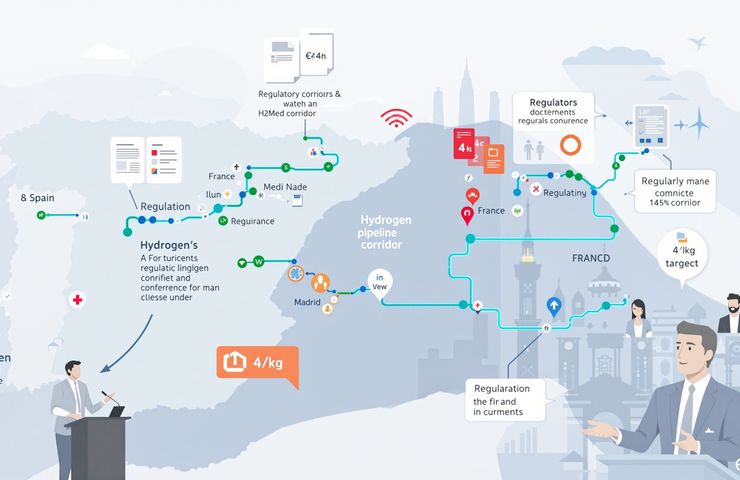
When it comes to ramping up green hydrogen production in Europe, we’ve got a few tough nuts to crack: price, demand, and infrastructure. That was the no-nonsense takeaway from Arturo Gonzalo Aizpiri, the CEO of Enagás, during their recent H2 Technical Day in Madrid. He made it clear that without a solid mix of temporary regulatory breaks, strong offtake contracts, and a push for faster pipeline deployment, we won’t see the levelized cost of renewable hydrogen drop to around 4 euros per kilogram by the end of this decade. That’s the golden number to make it more appealing than fossil-based hydrogen once we start factoring in carbon costs.
At his talk in Madrid, Gonzalo laid out the stakes in very clear geopolitical terms. He estimated that the recent turmoil in the Middle East has added about 50 billion euros to Europe’s energy bills, with around 920 million of that coming straight from Spain’s gas imports. Just imagine if we could funnel that money into building our renewable hydrogen infrastructure! Not only would we cut down on CO₂ emissions, but we’d also give the EU a leg up in terms of energy independence.
Going After the 4 €/kg Goal
The Levelized Cost of Hydrogen (LCOH) is what investors look at when comparing different production methods. It takes into account capital expenses, operational costs, the electricity prices for electrolysers, and financing costs. Gonzalo pointed out four main strategies to get that cost down: a temporary easing of strict EU rules around renewable hydrogen; guaranteed revenue streams through long-term contracts; priority access to the grid for cheaper renewable energy; and simplifying capital expenses for both electrolyser plants and pipelines.
From a technical standpoint, hitting that 4 €/kg mark means we need to ramp up electrolyser capacity to over 4,000 operating hours a year, bring capital costs down to about 500 €/kW, and tap into super-cheap solar and wind power. Some regulatory adjustments could help ease issues around meeting extra criteria for renewable energy, which would unlock economies of scale that are currently bogged down by bureaucracy.
Closing the Demand Gap
But let’s be real: having the cheapest hydrogen doesn’t matter if there aren’t any buyers lined up. Gonzalo urged EU member states to quickly adapt the revised Renewable Energy Directive (RED III) to solidify demand in stubborn areas like steel, ceramics, and heavy transport. He mentioned that discussions for industrial offtake agreements are already underway, but they depend heavily on clear regulatory frameworks and specific consumption goals.
Enagás’s own Call for Interest on hydrogen and CO₂ infrastructure aims to gauge real market demand. The feedback we get will play a major role in the final investment decisions for both production hubs and pipeline routes, helping banks and contractors feel more confident about putting their money on the table.
Pipelines and Standards: Laying the Groundwork
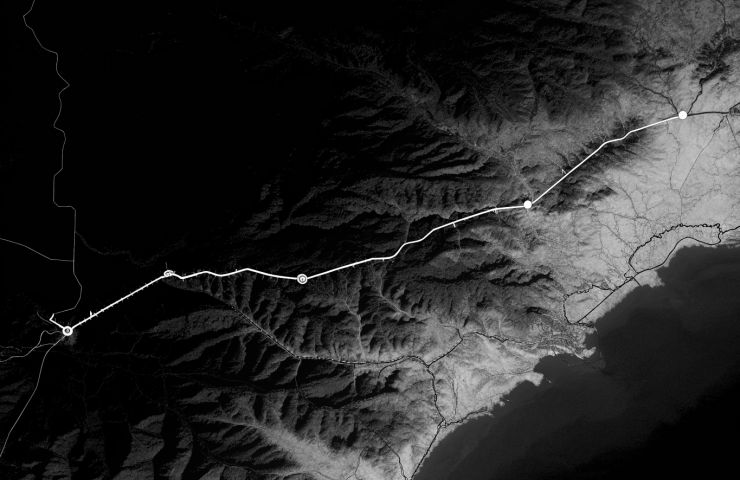
Gonzalo emphasized that having hydrogen transmission networks is “absolutely essential” for developing a viable market. He revisited Enagás’s leading role in two key projects: the Spanish hydrogen backbone, which connects renewable production sites across the nation, and the H2Med corridor, a cross-border pipeline designed to transport Iberian hydrogen into France and beyond.
Though, transforming existing pipelines for pure hydrogen isn’t without its challenges: we need to consider material compatibility to prevent embrittlement, upgrade compressor stations, and ensure strict integrity monitoring. Simultaneously, Enagás is making strides with Hyloop+, a metrology lab in Zaragoza aiming to establish Europe’s first primary volume standard for hydrogen. By calibrating against a trusted benchmark, we can ensure transparent commercial transactions and proper network balancing.
Financing, Bankability, and Risk Management
Big projects like these call for innovative financing models. Gonzalo pointed out that we need to rethink state aid rules, cross-border cost allocation methods, and the roles of regulated transmission system operators (TSOs). Early-stage guarantees or contracts-for-difference could help bridge the gap as carbon pricing and renewable energy markets develop. Moreover, we need to manage over-capacity risks effectively to avoid stranded assets and prevent unfair tariff burdens on end users.
Looking Down the Road
If regulators and market players can get on the same page regarding short-term flexibilities—without sacrificing environmental integrity—we could hit that 4 €/kg milestone by 2030. That would turn hydrogen infrastructure into a sustainable ecosystem, attracting billions in private investment and driving industrial decarbonization across Europe. Keep an eye on key milestones, including the final text of the RED III adaptations in national laws, the outcome of Enagás’s Call for Interest, and the launch of Hyloop+ in Zaragoza. Ultimately, it’s all about cutting costs, sparking demand, and laying the groundwork to make sure green hydrogen truly lives up to its promise as both a zero-emission fuel and a means of enhancing the EU’s strategic autonomy.