Port of Klaipėda Unveils Hydrogen Fuel Cell Waste Vessel
The Port of Klaipėda has reportedly launched a hydrogen fuel cell waste vessel for harbor service, reflecting broader efforts to electrify port support craft. The unverified announcement underscores growing momentum in hydrogen infrastructure and maritime decarbonization.
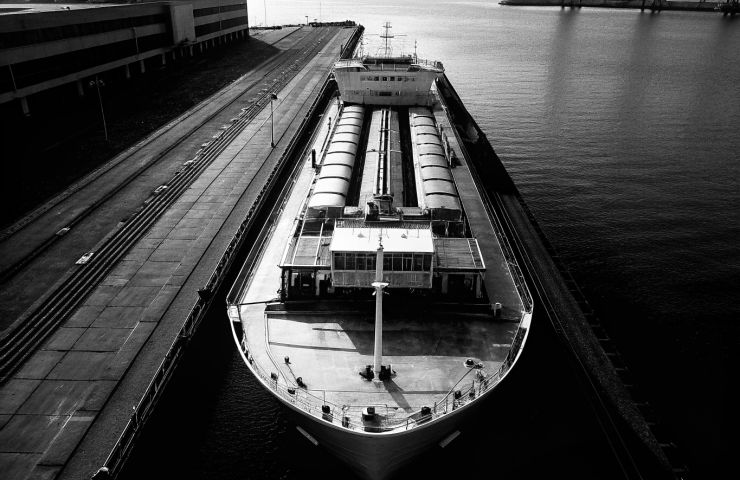
So, have you heard about the exciting news from the Port of Klaipėda in Lithuania? They're rolling out a hydrogen-powered waste vessel for harbor services, which is a pretty big deal in the push for greener ports. This vessel reportedly combines a hydrogen fuel cell system with electric propulsion. While we’re still waiting for the official word on all the specifics, it seems to be part of a larger trend where ports are trialing low-emission boats for short-distance tasks.
Strategic Implications
If this hydrogen vessel really does get the green light, it could give the Port of Klaipėda a nice head start in the Baltic region, especially with the growing pressure to reduce carbon emissions and local pollutants. You see, utility boats that operate in confined port spaces are actually some of the easiest vessels to electrify or switch to alternative fuels. A hydrogen-powered waste vessel could serve as a prime example of how a port operator can integrate onshore infrastructure, train crew members, and coordinate supply chains to test out next-gen, zero-emission tech.
Technical Snapshot
Now, if the reports are right, the design of this vessel includes a hydrogen storage system feeding fuel cells that turn hydrogen into electricity. And guess what? The only emissions from this process would be water and heat. That power is fed through inverters to electric motors that drive the propellers. Plus, it looks like energy from the fuel cell stack will be backed up by batteries to manage peak loads and keep everything running smoothly. This design choice not only cuts down on noise and vibrations but also makes life a lot more comfortable for passengers and crew during those frequent trips in and out of the port.
Operational and Infrastructure Considerations
Of course, launching a hydrogen utility vessel isn’t just about slapping on a new engine. It also means port operators have to set up new fueling stations and adopt safety protocols. They’ll need to create bunkering procedures for high-pressure storage and install gas detection and ventilation systems. On top of that, crew training in hydrogen handling is crucial. Yes, these new routines can hike up initial costs, but they’re also investing in expertise that will be vital for any future hydrogen infrastructure rollouts.
Market Context
Interestingly enough, maritime ports have been at the forefront of hydrogen trials, focusing on small boats like pilot vessels, tugboats, and ferries. Because these crafts have short journeys and fixed bases, they make logistics a bit easier compared to open-ocean shipping. There are already a few European ports engaging in collaborative pilot initiatives for hydrogen-powered vessels, and now operators in Northern Europe are starting to pick up the pace. If the Klaipėda vessel takes to the water, it would add to a small yet growing number of fuel cell-powered ships acting as test beds for green hydrogen integration in maritime logistics.
Commercial Viability and Costs
Now, let’s chat about costs. Switching to hydrogen propulsion might involve higher upfront expenses compared to traditional diesel engines, mainly due to the price tags on fuel cell stacks, high-pressure tanks, and the necessary power electronics. However, on the flip side, operators can look forward to lower fuel prices for green hydrogen as electrolysis capacity ramps up, not to mention that maintenance costs should dip since there are no complex internal combustion engines to deal with. When you break down the total cost of ownership for port crafts, electric drives often come out ahead, especially when you consider quieter operation, lower emissions charges, and any possible subsidies or grants promoting hydrogen infrastructure development. Plus, those early pilot projects can help companies make more informed decisions and create better financing models for larger fleets down the line.
Comparative Projects in the Region
Across Northern Europe, various ports have started exploring hydrogen options for harbor boats. Some pilot initiatives have already tested out ferries and pilot boats that utilize fuel cells and batteries. The goals are pretty much the same: showing operational reliability, measuring emissions reductions, and developing standardized refueling processes. All the lessons learned from these early vessels will inform designs and risk assessments for hydrogen-powered waste collection boats, helping port authorities gear up for greater investments in hydrogen supply chains.
Hydrogen Origin and Environmental Impact
But here’s something to think about—the climate benefits we gain hinge significantly on how the hydrogen is produced. If it's made using renewable-powered electrolysis, which is often called green hydrogen, then emissions can come close to zero. However, if hydrogen comes from natural gas without any carbon capture, then we lose those environmental gains. This means port operators need to secure clean energy contracts or set up their own on-site electrolyzers to make sure they’re on track with the larger decarbonization goals. Being open about the origin of the hydrogen will be key to proving emission reductions and satisfying stakeholders focused on industrial decarbonization.
Regulatory Pathways and Safety Standards
As for the regulatory landscape, certification processes for hydrogen vessels are evolving under classification societies, which set rules for hydrogen storage, piping, and crew training. Port terminals will need to adhere to IMO guidelines for gas-fueled ships and follow local maritime and occupational safety regulations, making sure emergency response plans cover potential hydrogen leak scenarios. Insurers will also need to adjust their risk assessments compared to traditional vessels. Establishing clear regulatory pathways can help speed up approvals and ease uncertainties, which could pave the way for more hydrogen-powered service vessels down the line.
Key Takeaways
Outlook
Even though the announcement from the Port of Klaipėda is still pending confirmation, what we've heard so far signifies a notable strategic shift towards hydrogen in port services. If this vessel becomes operational, it could become a model for broader adoption of fuel cell-electric propulsion in the industrial decarbonization space. Ports that prioritize investments in training, safety, and bunkering today will not only cultivate technical expertise but also gain market reputation as global supply chains seek cleaner and more robust solutions for tomorrow.