Tasmania Backs Bell Bay as Green Hydrogen Hub with $70M Investment
Tasmania selects Abel Energy’s Bell Bay initiative as its flagship hydrogen hub, securing $70M federal backing to build a 45,000-ton green hydrogen and 300,000-ton e-methanol production facility by 2028.
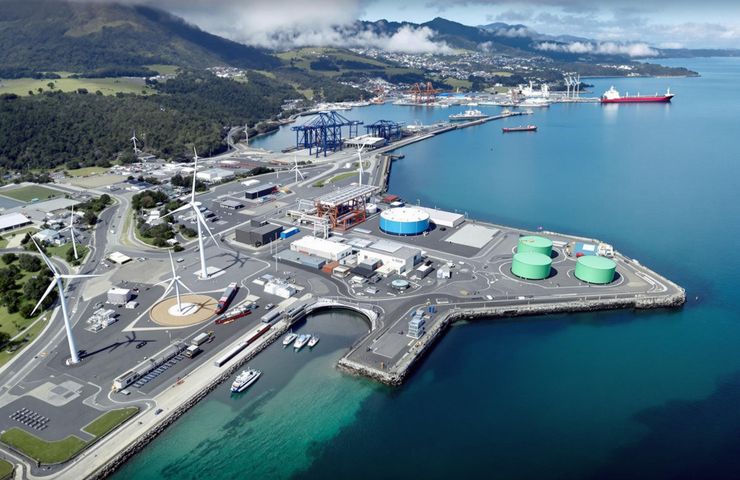
Australia’s green hydrogen ambitions took a big leap forward on May 31, 2025, as the Tasmanian Government officially named the Abel Energy Bell Bay Powerfuels Project as the heart of the state’s first major hydrogen hub. Set in the historic Bell Bay industrial precinct in northern Tasmania, the project is aiming to churn out up to 45,000 tonnes of green hydrogen and 300,000 tonnes of e-methanol each year by 2028.
Bell Bay: Shifting Gears from Aluminium to Clean Energy
Bell Bay has always been a cornerstone of Tasmania’s industrial backbone—home to heavy industry, an aluminium smelter, and a deep-water port. But now, with Tasmania running on nearly 100% renewable electricity from hydro and wind, the region is turning that industrial muscle toward a more sustainable future. That’s where green hydrogen and methanol production come into play.
The new Bell Bay Hydrogen Hub is a key step in this transition. Thanks to $70 million in funding from the federal government's Regional Hydrogen Hubs program, the project is poised to generate an estimated $1.2 billion in economic uplift while creating over 740 new jobs. It’s more than just an energy project—it’s a high-impact investment in the local economy and Australia’s clean energy future.
How It Works: Clean Tech Meets Local Resources
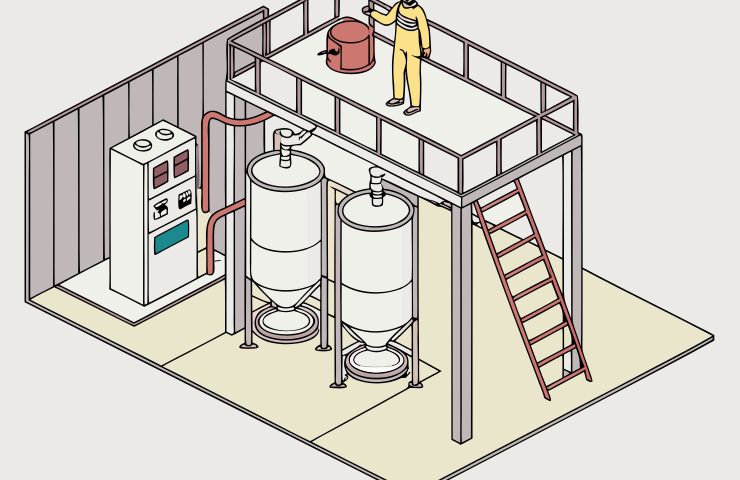
At the heart of it all is a proposed 260 MW electrolyser, which will use renewable power to split water into hydrogen—a clean, efficient process known as electrolysis. But that’s just the beginning. This green hydrogen is then blended with syngas from biomass gasification and captured CO₂ to create e-methanol, a clean-burning fuel that’s gaining traction in shipping, aviation, and heavy industry.
And it’s not just clean—it's local. The biomass comes from Tasmania’s own plantation forestry waste, tying the whole setup into the state’s natural resource economy. It’s a closed-loop, homegrown energy system—clean in, clean out, and built to scale for export.
Team Effort: Partnerships Powering Progress
Abel Energy isn’t going it alone. The project is backed by a powerhouse group of partners—from TasPorts and TasNetworks to TasWater, Tasmanian Irrigation, and energy giant Iberdrola Australia. Together, they’re pooling their expertise and infrastructure to bring everything from port access and power to water and grid integration—critical ingredients for any serious hydrogen production hub.
“This isn’t just about clean fuel,” as one insider put it. “It’s about laying the groundwork for an entire clean energy economy in northern Tasmania—shared facilities, shared infrastructure, shared opportunities.”
Fuel for the Future: Exports and Jobs
With the world scrambling for zero-emission fuels, especially in hard-to-decarbonize sectors like global shipping, e-methanol is rapidly gaining attention. Thanks to its direct line to export markets via the Bell Bay port, the project is well-positioned to serve Asia and beyond. It’s not just about producing green fuel—it’s about getting it where it's needed, fast.
Back home, the green hydrogen produced will fuel a range of industries—from heavy transport and chemical manufacturing to green metals production. It’s a shot in the arm for Tasmania’s economy, with flow-on effects in job creation, upgraded supply chains, and increased energy security.
Tasmania’s Big Play on the National Stage
Across Australia, regional hubs like Gladstone and Pilbara are making moves in the green hydrogen space. But with its unique combo of 100% renewable power and existing industrial infrastructure, Bell Bay is carving out its own competitive edge. It’s part of a bigger national vision—Australia’s plan to build a web of hydrogen clusters that can power everything from domestic transport to international trade.
With its launch target of 2028, Bell Bay’s timing couldn’t be better. That’s right in line with forecasts showing rising global demand for low-carbon shipping fuels and industrial feedstocks—especially across Asia.
What’s Next: The Road Ahead
Sure, projects like this don’t come without hurdles. There’s the question of keeping green hydrogen price-competitive, scaling up infrastructure, and securing reliable CO₂ supplies for the green methanol process. But with solid funding, strong public-private partnerships, and a major export angle, Bell Bay is quickly becoming more than just another energy project—it’s shaping up to be a blueprint for industrial decarbonization done right.
If all goes according to plan, the Bell Bay Powerfuels Project could turn Tasmania into a global player in the clean energy game—and show the rest of the country how to get it done.