Stargate Hydrogen Raises €11M to Power Next-Gen Alkaline Electrolysers for Green Hydrogen Production
Stargate Hydrogen secures €11M to upscale its precious metal–free alkaline electrolysers, setting the stage for cheaper green hydrogen and industrial decarbonization in Europe.
Stargate Hydrogen, a trailblazing Estonian startup shaking up the electrolysis game, just landed €11 million in Series A funding — a big leap forward for its mission to make green hydrogen production more affordable, scalable, and reality-ready for Europe’s industrial scene.
Fueling the Next Chapter of Growth
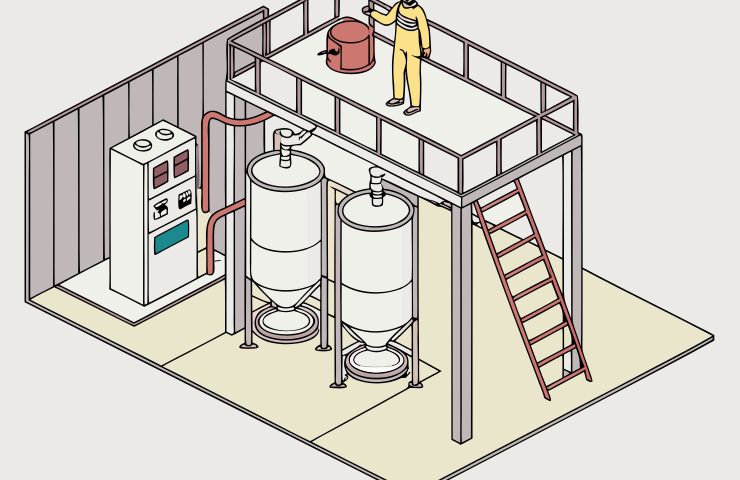
Announced in March 2025, this major funding round brought together key climate tech allies like SmartCap Green Fund, GIGA Venture, and UG Investments. With this new injection of capital, Stargate is set to ramp up manufacturing at its Tallinn facility and roll out its breakthrough, precious metal–free ceramic catalyst technology. That’s what powers its high-performance alkaline electrolysers, and now it’s ready to go commercial.
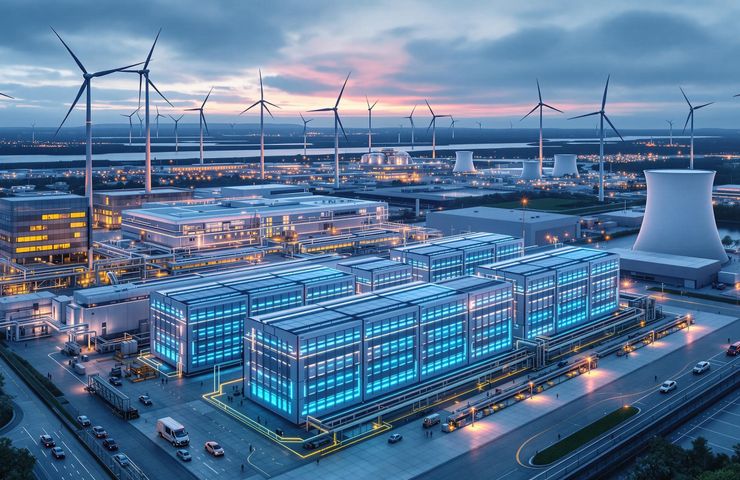
This isn’t just about money — it's a strong vote of confidence in Stargate’s tech. Their electrolyser stacks have already passed independent testing at ZSW, Germany’s leading hydrogen validation lab. Plus, energy heavyweight Fortum has picked Stargate’s platform for its new electrolysis project in Loviisa, right next to one of Finland’s main nuclear plants — a serious endorsement that this tech is ready for real-world action.
Ceramics That Could Change the Game
Traditional alkaline electrolysis depends heavily on rare, pricey metals — think platinum and iridium — which are hard to get and even harder to afford at scale. Stargate’s smart workaround? A ceramic-based catalyst that ditches expensive metals altogether while matching — or even beating — existing efficiency benchmarks. That’s more than clever chemistry; it’s a major strategic move.
As Marko Virkebau, CEO of Stargate Hydrogen, puts it: “This material shift is a game changer — it’s what makes green hydrogen actually workable at the scale heavy industries need. And it breaks us free from being at the mercy of volatile global commodity markets.” Think industries like steel or chemicals — sectors that are notoriously tough to decarbonize — suddenly having a cleaner, more reliable hydrogen option.
Why the Stakes Are Higher Than Ever for Europe
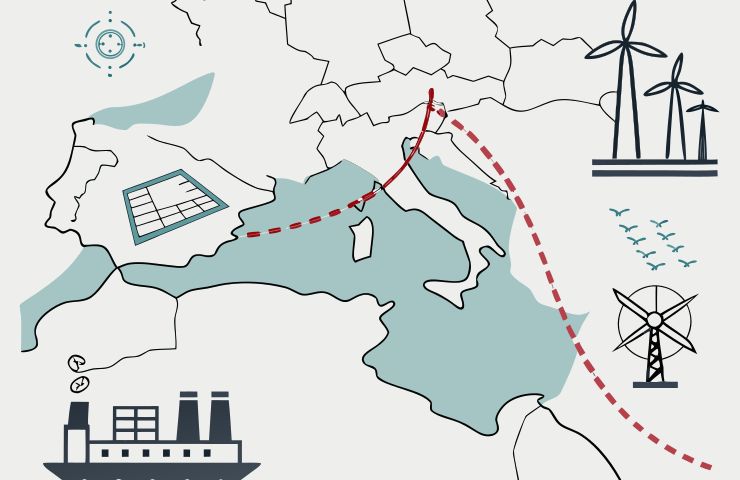
But the story doesn’t stop there. Europe is in a full-blown race to build a competitive, self-sufficient hydrogen infrastructure — one that can stay ahead without leaning too hard on foreign supply chains. Stargate’s platform ticks the right boxes: it’s scalable, cost-effective, and built with accessible materials.
That’s why the European Commission has backed Stargate under its Important Project of Common European Interest (IPCEI) program — a big step that unlocks more validation opportunities, public funding streams, and a path to widescale rollout across the EU. And with Fortum bringing Stargate’s tech directly into action next to a nuclear site, potential investors and regulators get something they crave: real-world performance proof.
Estonia’s Moment in the Clean Energy Spotlight
This isn’t just a win for green hydrogen — it’s a boost for Estonia, too. Stargate's scaling plans are putting the small Baltic state on the map as a rising star in clean tech hardware. The company’s growth will bring new high-skilled jobs, particularly in advanced materials and energy manufacturing, helping to diversify a regional startup scene already known for tech smarts.
In fact, with Estonia anchoring the emerging Baltic-Nordic hydrogen corridor, this could be the start of something much bigger — a whole new regional powerhouse for green energy innovation.
The Bigger Picture: Smart Materials, Smarter Future
Here’s the bottom line: if hydrogen production is going to take off and compete on a global scale, it needs to be built with materials that are cost-effective, tough, and secure from supply shocks. Stargate is betting that ceramics — not precious metals — are the ticket. And with strong validation, financing, and deployment already in motion, they could be onto something big.
“Switching to ceramics might sound like a small tweak,” one analyst said, “but in the world of hydrogen, it could be the shift that unlocks massive scale — like swapping out platinum for silicon.”
With funding lined up and major deployments ahead, the next 12 to 18 months are set to be a proving ground for Stargate. If their tech delivers as promised, Estonia won’t just be leading in digital — it’ll be shaping the future of green hydrogen at the heart of Europe’s clean industrial transformation.