Solvay and BASF Slash Scope 3 Emissions in Hydrogen Peroxide Chain
Solvay and BASF are teaming up to cut Scope 3 emissions from hydrogen peroxide production by over 50%, spotlighting the power of cleaner sourcing in industrial decarbonization.

Solvay and BASF are teaming up to take a serious bite out of industrial decarbonization. Their latest move? A big shift in how they’re sourcing materials for hydrogen peroxide production—a change that’s set to slash upstream carbon emissions by more than 50% at one of Solvay’s key plants in the Netherlands, starting June 5, 2025.
What’s the Big Deal?
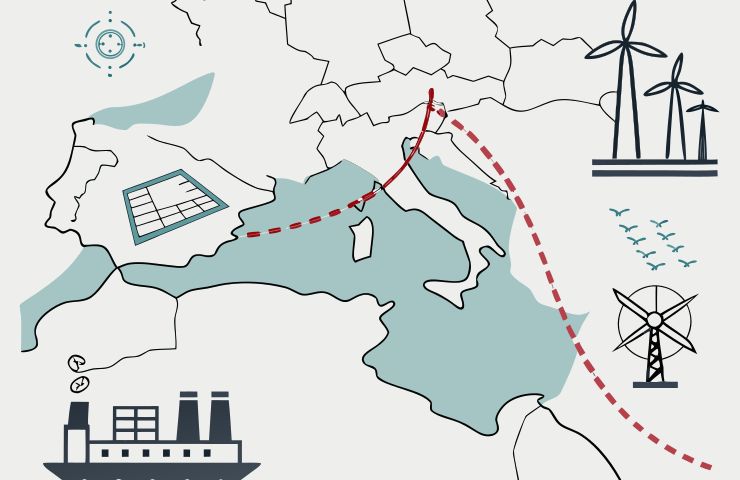
This all centers around Solvay’s Linne Herten facility in Limburg. Up until now, the company had been bringing in aluminum chloride—a crucial ingredient in the anthraquinone process used to make hydrogen peroxide—from India. But that’s changing. Instead, they’re turning to BASF’s German operations for a cleaner, home-continent source.
The difference goes far beyond miles on a map. BASF’s aluminum chloride comes with a significantly lighter carbon footprint, helping Solvay cut its emissions tied to this raw material by over 50%. It’s a major leap forward in meeting their broader goal: chopping Scope 3 emissions by 20% by 2030.
Here’s What You Need to Know
- Over 50% drop in Scope 3 emissions for aluminum chloride used at the Linne Herten site
- Supply chain overhaul: ditching high-emission sourcing from India in favor of BASF’s cleaner German supply
- Supports Solvay’s mission to cut Scope 3 emissions by 20% within the decade
- Backs the “Together for Sustainability” initiative, pushing supply chain best practices industry-wide
- 40% of Linne Herten’s power already comes from solar, trimming onsite CO₂ emissions by another 17%
Diving Into the Tech: The Anthraquinone Factor
If you’ve ever wondered how hydrogen peroxide is made at an industrial scale, the answer is the anthraquinone process—a method that relies on aluminum chloride as a core catalyst. That catalyst kicks off the production cycle and keeps it going through a series of redox reactions to create hydrogen peroxide in bulk.
The catch? Making aluminum chloride can be pretty carbon-intensive—especially if it’s coming from countries where fossil-fueled power still dominates. That’s where BASF’s German facility brings the edge: it’s using cleaner energy and smarter, more efficient processes. The result is fewer emissions baked into the product, and that’s what makes this sourcing change such a game changer.
More Than a Green Badge
This isn’t just a PR move or a nice-to-have—it’s a strategic shift that shows both companies are serious about climate goals. As the pressure ramps up on heavy industries to rein in Scope 3 emissions, these kinds of procurement tweaks are turning into make-or-break strategies.
For BASF, it’s a chance to step up as a go-to source of low-carbon industrial inputs. For Solvay, it’s proof they’re walking the talk on sustainability, sending a clear message to customers, investors, and regulators alike. It also cements the Linne Herten plant’s reputation as one of the more forward-thinking facilities in the game.
Limburg Goes Greener
This partnership also fits perfectly into a broader clean energy wave rolling through the Netherlands—especially in the Limburg region. Back in 2020, Solvay installed a solar park right on the Linne Herten site, and today it powers about 40% of operations. That alone is cutting the plant’s yearly on-site CO₂ emissions by 17%—and that’s before you factor in the aluminum chloride switch.
By combining renewable electricity on-site with smarter sourcing upstream, Solvay’s pushing well past the basics of efficiency. They’re showing what a full-court press on industrial decarbonization actually looks like in practice.
Thinking Bigger: Why This Matters
Let’s face it—Scope 3 emissions are the industry’s messy middle. Hard to track, even harder to manage. But moves like this prove it’s not impossible. Companies don’t have to wait around for someone else to fix it. By tightening up the supply chain, Solvay and BASF are actually cutting emissions where it counts.
This shift also sends a clear message. Clients looking for sustainable procurement options are paying close attention. Regulators want to see real action, not just net-zero slogans. And competitors? They’re going to have to catch up or get left behind.
Wrapping It Up
When it comes to cleaning up chemical manufacturing, looking at the factory chimney isn’t enough. You’ve got to follow the supply chain back to the raw materials—and that’s exactly what Solvay and BASF are doing. By combining cleaner energy, low-emission sourcing, and strong partnerships, they’re proving that real industrial decarbonization is possible—one supplier, and one smart move, at a time.