Scale Green Energy Secures €8M to Deploy Six Hydrogen Refueling Stations Across Spain
Scale Green Energy, backed by Enagás, secures €8M from CINEA to build six hydrogen refueling stations in Spain, advancing the EU's zero-emissions transport goals.
Strategic Investment in Hydrogen Infrastructure
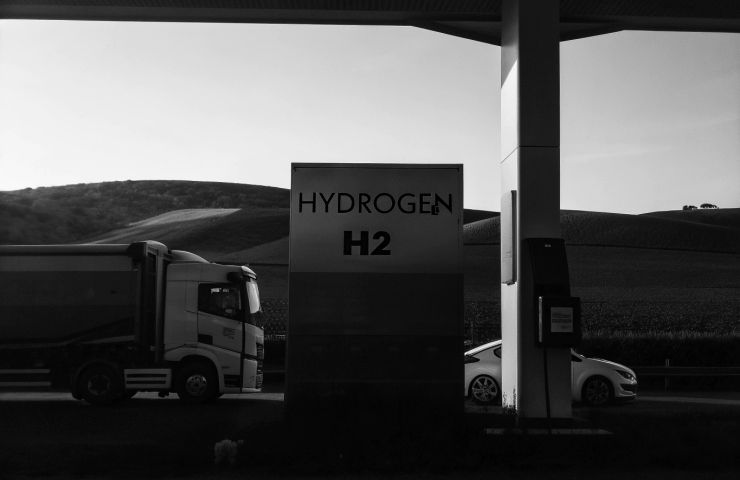
Scale Green Energy, a subsidiary of Enagás, just landed over €8 million in funding from the European Climate, Infrastructure and Environment Executive Agency (CINEA). The goal? To roll out six brand-new renewable hydrogen refueling stations across Spain. Announced on 17 July 2025, this is more than just a big win for the company—it’s a huge push for Spain’s clean energy transition and lines up perfectly with the EU’s Green Deal and ambitions for zero-emission transportation.
Geographic and Strategic Scope
The refueling stations will pop up along Spain’s key roadways—the Atlantic and Mediterranean corridors—tying into the broader Trans-European Transport Network (TEN-T). It’s a smart move that gives hydrogen access a major boost where it matters most: the routes that handle a lot of freight and passenger traffic. These stations will support everything from lightweight commuter cars to the big rigs, making it easier for everyone to switch to hydrogen fuel cells.
Market Impact and Policy Alignment
This isn’t just about putting up a few stations—it’s about kickstarting an entire ecosystem. It fits neatly into the EU’s wider strategy to support alternative clean fuel infrastructure. Enagás is already gearing up to invest a hefty €3.125 billion into hydrogen infrastructure by 2030. With this funding, they’re staying ahead of the game and locking in their lead role in Spain’s green hydrogen game plan.
As the EU continues to back these hydrogen corridors, companies like Enagás, with existing gas infrastructure, are perfectly placed to shift gears toward large-scale green hydrogen production, storage, and delivery—especially via clean, efficient electrolysis.
Technical Snapshot
The hydrogen at these stations will be made using renewable energy-powered electrolysis. It’ll be stored on-site or nearby and ready to go via high-pressure fueling systems built to accommodate both 350 bar and 700 bar vehicles. That means they’ll be compatible with both current and future fuel cell vehicles across the board.
Wider Implications
- Decarbonization Support: This helps cut carbon emissions in transportation—one of the trickiest sectors to clean up.
- Economic Upside: It fuels demand for green hydrogen and related services, sparking job creation and boosting local economies.
- Scalable Infrastructure: It sets the stage for further expansion beyond these six initial stations as hydrogen vehicles become more common.
Parallel Developments
Spain isn’t going it alone. Similar moves are happening in Germany, France, and the Netherlands, where hydrogen infrastructure is picking up speed with EU funding. Spain’s new installations make sure it stays in the running for hydrogen leadership in Southern Europe.
Looking Ahead
With backing from CINEA, Scale Green Energy and Enagás are locking in their role at the heart of Spain’s hydrogen infrastructure rollout. As electrolysis becomes cheaper and demand for zero-emission freight grows, these early moves could shape not just Spain’s, but Europe’s sustainable energy future.