Sarawak Advances Green Hydrogen Production with Siemens Energy Partnership
Sarawak and Siemens Energy partner to slash green hydrogen production energy needs by targeting unprecedented efficiency gains with advanced PEM technology.
Sarawak is gearing up to make a huge leap in green hydrogen technology, thanks to a fresh collaboration with Germany’s Siemens Energy. Unveiled during the ASEAN Women Economic Summit (AWES) on May 27, 2025, this partnership is all about slashing the energy needed for hydrogen production. Right now, even the best systems need about 30 kWh to make just one kilogram of hydrogen. The goal? Cut that down to a groundbreaking 10 kWh/kg. That’s not just a minor tweak—that’s a game changer.
Pushing the Boundaries of Hydrogen Efficiency
The heart of this effort lies in cutting-edge proton exchange membrane (PEM) electrolysis. This high-efficiency membrane tech could be the key to unlocking major energy savings. To put it in perspective, the global average for producing green hydrogen currently sits around 50–55 kWh/kg. If this technology delivers, we could be looking at a cost breakthrough that makes large-scale green hydrogen viable—and more competitive than ever with fossil-based fuels.
And this isn’t Sarawak’s first foray into clean hydrogen. The state's already proven it can make big strides, having previously halved energy use from 60 kWh/kg to 30 in collaboration with PETRONAS Research and Japanese tech experts. This next jump? Ambitious, but well within reach given their track record.
Why It Actually Matters
For Sarawak—and Southeast Asia as a whole—this could be a turning point. A major barrier to sustainable energy has always been cost, and cutting production energy requirements could finally tip the scales. Getting the price of hydrogen below $2 per kg (it's currently hovering between $4 and $6) would open up a world of opportunity. Especially in hard-to-decarbonize sectors like shipping, where hydrogen could slash CO2 emissions by as much as 15 million tonnes each year just in ASEAN waters.
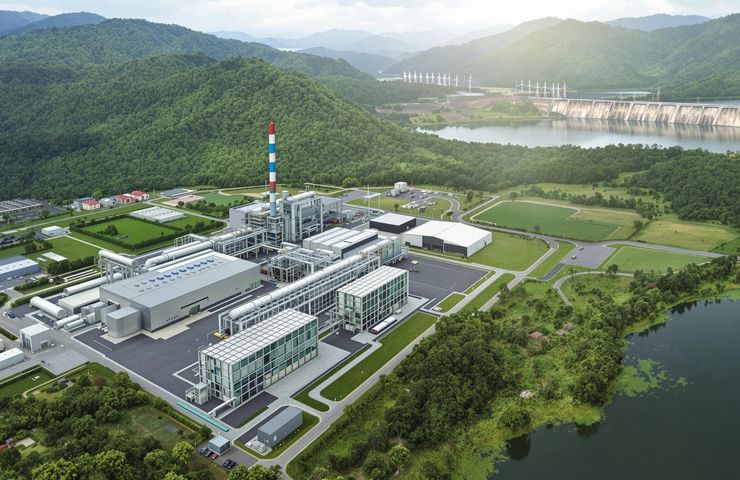
Sarawak has something most places don’t: abundant renewables. With an estimated 20GW of hydropower potential, it's perfectly positioned to lead the regional shift toward sustainable energy. They’re already ahead of the curve—just look at Southeast Asia’s first integrated green hydrogen refueling station in Kuching, launched in 2023. Or the world’s first hydrogen-powered Autonomous Rapid Transit (ART) system that hit the streets back in 2022.
Sarawak's Bigger Play: Becoming a Hydrogen Hub
From a business standpoint, this new alliance could put Sarawak on the map as a serious player in the global hydrogen scene. It fits neatly into Malaysia’s National Energy Transition Roadmap (NETR), which aims to clean up tough industrial sectors. It also builds on the strong climate cooperation already underway between Germany and Malaysia, established in 2023.
For Siemens Energy, this is a smart move too. Already leading efforts with their global ‘H2 Gigafactory’ network, they’re now doubling down on Southeast Asia’s fast-growing hydrogen market. With Sarawak Energy Berhad onboard—operators of the massive 3.5GW Bakun Dam—they’ve got ready access to clean, baseload power and local government backing to scale things quickly.
Zooming Out: What This Means for Industry and the Region
If Siemens’ new membrane tech hits its target of 10 kWh/kg, it’ll set a whole new standard for energy efficiency in electrolysis. That makes green hydrogen way more appealing—not just from a financial standpoint, but environmentally too. A smaller energy footprint gives green hydrogen even more credibility as a go-to solution for industrial decarbonization, especially in places looking to cut emissions without sacrificing performance or reliability.
Looking ahead, if Sarawak nails the rollout and slashes costs, it could become the blueprint for clean hydrogen across the ASEAN region. For the broader hydrogen industry, this could be the tipping point. Proving that hydrogen production is both affordable and scalable could finally unlock adoption across heavy industry, transport, and large-scale energy storage.
As Premier Datuk Patinggi Tan Sri Abang Johari Tun Openg summed up during the summit, “Sarawak doesn’t just aim to be part of the hydrogen economy—it’s committed to leading it.” And with Siemens Energy now in the mix, it’s looking more and more like they’re ready to deliver on that bold vision.