RINA Morocco Launches to Drive Green Hydrogen Production and Hydrogen Infrastructure in North Africa
RINA has launched a new subsidiary in Morocco to support green hydrogen production, hydrogen infrastructure, port logistics and industrial decarbonization, aligning with Morocco’s 52% renewables target and RINA’s Africa strategy.

RINA has officially kicked off its new subsidiary in Morocco, focusing on providing engineering, consulting, sustainability, and technical support services in areas like energy transition, green hydrogen production, infrastructure, mobility, ports, logistics, and industry. This move is part of RINA’s broader “RINA for Africa” strategy, aimed at capitalizing on Morocco’s ambitious renewable energy goals and its growing port capabilities, especially with facilities like Tanger Med.
With Morocco targeting a whopping 52% of its electricity capacity to come from renewables by 2030, there’s a rising demand for expertise in power systems, electrolysis design, and hydrogen infrastructure. By setting up shop in Casablanca, RINA is looking to bring its global expertise closer to potential investors, public authorities, and project teams all across North and Sub-Saharan Africa.
Bringing Engineering Expertise to Green Hydrogen
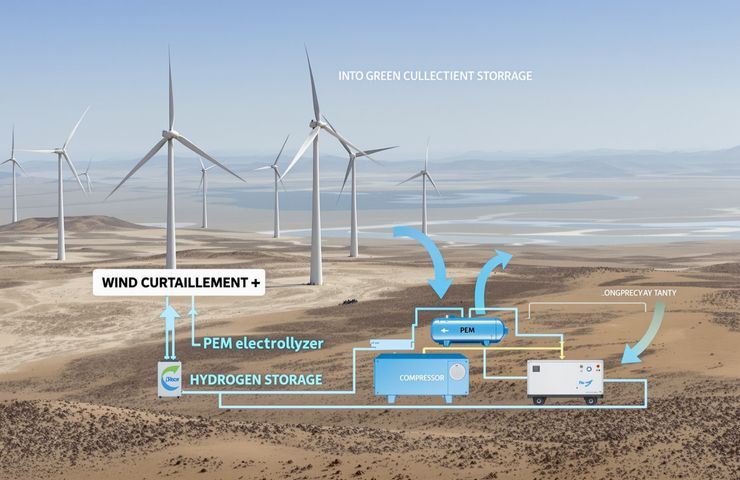
Right at the heart of RINA Morocco is its support for green hydrogen production projects. These projects blend renewable generation, water electrolysis, and industrial off-take seamlessly. In the world of green hydrogen, electricity sourced from solar and wind facilities powers electrolyzers—like alkaline and proton exchange membrane (PEM) technologies—that crack water into hydrogen and oxygen. Alkaline electrolysers, using potassium hydroxide as a liquid electrolyte, are durable and deliver solid performance at lower current densities. On the flip side, PEM units sport a solid polymer membrane, great for quickly adjusting to variable power inputs, but they usually come at a higher upfront cost.
RINA has already stepped up as the Owner’s Engineer on the Haouma Green Hydrogen Project, managing engineering reviews, test protocols, and local site supervision along the way. By institutionalizing these services through its new subsidiary, RINA aims to streamline support from the nitty-gritty of front-end engineering design all the way to project commissioning, offering integrated guidance on safety standards, purity regulations, and hydrogen storage systems. Having proper storage in place is crucial; molecular hydrogen either needs high-pressure vessels or cryogenic tanks when it's turned into a liquid. Engineering must take into account thermal insulation, leak detection, and easy refueling connections as well.
Expanding Ports and Logistics for Hydrogen Corridors
Morocco’s prime location, linking Europe, the Mediterranean, and Africa, has made Tanger Med one of the busiest container ports around. RINA Morocco will utilize its expertise in port and logistics infrastructure to weave hydrogen value chains into the existing maritime networks. This includes everything from designing quays and storage tanks to safety certification, pipeline routing, and grid integrations.
For future hydrogen corridors, specialized facilities will be a must: think cryogenic liquid hydrogen terminals, high-pressure gas transfer stations, or places that handle ammonia and methanol as hydrogen carriers. RINA is already involved in initiatives like LH2CRAFT, which focuses on shipping liquid hydrogen containment systems. Their services also include risk assessments, regulatory approvals, and compliance with up-and-coming global codes to help smooth the way for investors and operators alike.
Supporting Industrial Decarbonization and Mobility
In addition to their energy and maritime initiatives, RINA Morocco is ready to lend a hand to industrial clients—from fertilizer and phosphate processing to automotive manufacturing—on their journey toward decarbonization. These sectors need customized solutions, such as retrofitting process heat with electric heat pumps, connecting electrolyzers to existing steam networks, and even deploying digital twins for optimizing plant operations. With RINA’s mix of technical due diligence, project management, and sustainability assurance, they can really help underpin financing and ensure compliance with changing ESG requirements.
When it comes to mobility, the subsidiary is set to assist in integrating hydrogen fuel cells into transport systems, including performing feasibility studies for hydrogen refueling stations. As battery electric and hydrogen fuel cell vehicles make their case for adoption, having local know-how in station design, safety protocols, and supply logistics will be key for shaping the emerging hydrogen mobility landscape in North Africa and beyond.
Strategic and Business Implications
From a business perspective, establishing a firm presence in Morocco fits nicely with RINA’s growth goals under its Africa strategy. The stable regulatory environment paired with Morocco’s ambitions to ramp up renewables and pilot green hydrogen initiatives for export offers a steady stream of opportunities in project development, technical diligence, and sustainable energy transitions. With reported revenues surpassing €1.03 billion in 2025, RINA clearly has the capacity to support these ventures.
Setting up a local subsidiary means RINA can strengthen its ties with project sponsors, financiers, and government agencies. Being closer to the action can help speed up project timelines, cut down on risks, and ensure compliance with sustainability standards like the EU Taxonomy. Plus, it gives RINA a leg up against other consultancies eyeing Africa’s infrastructure and energy markets.
Balancing Opportunity and Risk
While technical know-how is definitely a plus, there are voices in civil society that caution against the rapid development of green hydrogen and Power-to-X projects, pointing out the potential socio-environmental challenges. Reports highlight concerns like water scarcity in dry regions, land use pressures, and unequal benefit-sharing, particularly in sensitive areas. Critics warn that without transparent local engagement and robust safeguards, we could run into the issue known as “green colonialism.”
RINA’s past experiences as an Independent Environmental and Social Consultant on major gas export projects in Africa—like a liquefied natural gas terminal—have faced pushback for facilitating high-emission assets. This history emphasizes the need for strict accountability as the company pivots toward low-carbon solutions. It’s likely that Morocco’s regulators and communities will keep a close eye on project approvals and certification processes to make sure that the environmental benefits of green hydrogen genuinely outweigh any potential drawbacks.
Looking Ahead
The launch of RINA Morocco marks an exciting new chapter in Morocco’s energy transition and the rise of green hydrogen markets in North Africa. By bringing together expertise in electrolysis engineering, hydrogen storage, and port logistics, the subsidiary is well-positioned to support integrated hydrogen corridors—from generation all the way to export. Making it successful will hinge on coordinating efforts across multiple sectors—energy, maritime, and industrial—while also aligning technical solutions with social and environmental priorities.
As Morocco fine-tunes its national hydrogen roadmap, establishing clear offtake agreements and conducting grid integration studies will be crucial. The advisory role of RINA Morocco could extend to helping craft policy frameworks and public-private partnerships, shaping how North Africa positions itself in a swiftly growing global green hydrogen market.
About RINA
RINA is a global engineering, consulting, testing, inspection, and certification group founded back in 1861. With over 7,000 employees and operations in around 200 offices across 70 countries, the group has diversified from its marine classification roots into areas like energy, infrastructure, mobility, industry, and real estate. They’ve positioned themselves as key partners in global energy transition and decarbonization initiatives.