Shetland’s Green-Ammonia Vision Leads the Charge in UK Hydrogen Production
Two proposed green-ammonia projects in Shetland aim to convert up to 480 MW of excess wind power into ammonia for fertiliser and marine fuel, signaling a new chapter in UK hydrogen infrastructure.
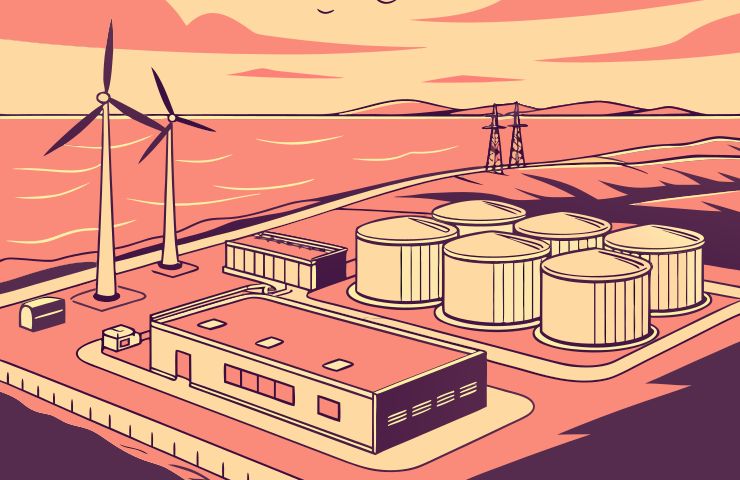
Opening a New Chapter in Shetland
In Shetland, two proposed green-ammonia projects are charting a new course for the UK’s low-carbon hydrogen sector. The larger scheme, Shetland Hydrogen Project 2, targets up to 400 MW of renewable-powered electrolysis beside the disused Scatsta Airport near the Sullom Voe energy hub. A companion initiative, Tagdale Green Ammonia, would harness up to 80 MW of electrolytic capacity north-west of Lerwick. Together, the facilities are designed to convert surplus wind energy into a storable, transportable chemical feedstock — and to produce a product that could serve as a marine fuel.
Setting the Stage: Shetland’s Renewable Potential
The Shetland archipelago in northern Scotland has a legacy built on oil and gas infrastructure, from the Sullom Voe Terminal to the former Scatsta Airport. Those assets now provide industrial land, port access and a skilled workforce for emerging green-chemicals projects. Shetland’s abundant wind resources often exceed local grid capacity, creating potential curtailment. By turning that surplus into hydrogen and ammonia, developers hope to relieve grid constraints while delivering a low-carbon product with established markets.
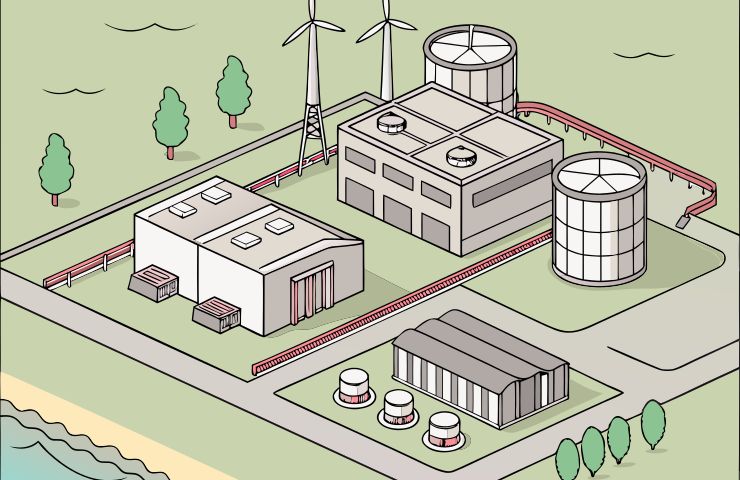
The proposed Shetland Hydrogen Project 2 is designed as an electrolytic hydrogen-to-green-ammonia facility of up to 400 MW. It would use renewable electricity to split water into hydrogen and oxygen, then combine the hydrogen with nitrogen from air separation in a Haber-Bosch synthesis loop. That combination is the basic industrial route to ammonia production and is central to the project’s design.
Approximately 3.5 kilometres north-west of Lerwick, Tagdale Green Ammonia plans to follow a similar model at up to 80 MW capacity. Both projects are intended to supply ammonia for fertiliser production, chemical feedstock applications and potential marine-fuel use, with the option to reconvert ammonia back into hydrogen if required by specific offtake partners. The reconversion route remains conditional on offtake needs and partner requirements.
Electrolytic Hydrogen to Green Ammonia
At the heart of each scheme is renewable-water electrolysis. Purified water is fed into electrolyser stacks powered by onshore wind or other green supply, where electrical current separates water molecules into hydrogen and oxygen. The climate benefit depends on sourcing genuinely low-carbon power and maximising operating hours during periods of curtailment. Operation during those high-wind, low-demand windows is a stated aim.
After electrolysis, hydrogen is conditioned and compressed before entering a traditional Haber-Bosch process. Nitrogen is obtained via an air-separation unit, then combined with hydrogen under pressure and temperature over a catalyst to form ammonia. The resulting liquid ammonia can be stored on-site in pressurised tanks or loaded onto vessels for export.
Ammonia’s density and existing logistics networks make it a practical hydrogen carrier. At destination hubs or industrial facilities, a cracking unit could decompose ammonia back into hydrogen and nitrogen, although this route adds energy consumption, purification steps and safety infrastructure. That trade-off is part of project planning and offtake discussions.
Collaborations Driving Progress
Both schemes were originally developed by Statkraft, the Norwegian state-owned renewables company, which announced the projects in 2025 and secured a land lease with Shetland Islands Council reported to generate £1.13 million in annual rent for the local authority. Earlier feasibility funding of £3.4 million from Scottish Enterprise underscored public-sector support for green-hydrogen and ammonia supply-chain development in Scotland. Those public and private moves helped put the schemes on the map.
This month, Statkraft completed the sale of its UK hydrogen portfolio—including Scatsta and Tagdale—to Kentron Green Nordic AS. Kentron is now the lead developer, drawing on experience from Norwegian green-ammonia projects such as Neptun Glomfjord. Company representatives have signalled a commitment to community engagement and advancing planning applications.
The UK’s Hydrogen Production Business Model and subsequent allocation rounds are designed to bridge the cost gap between low-carbon hydrogen and fossil-derived alternatives. While Tagdale was reportedly shortlisted for Round 2 funding, neither project has yet secured a confirmed subsidy contract or binding offtake agreement. Planning consent and final investment decisions remain outstanding.
Unlocking Renewable Constraints
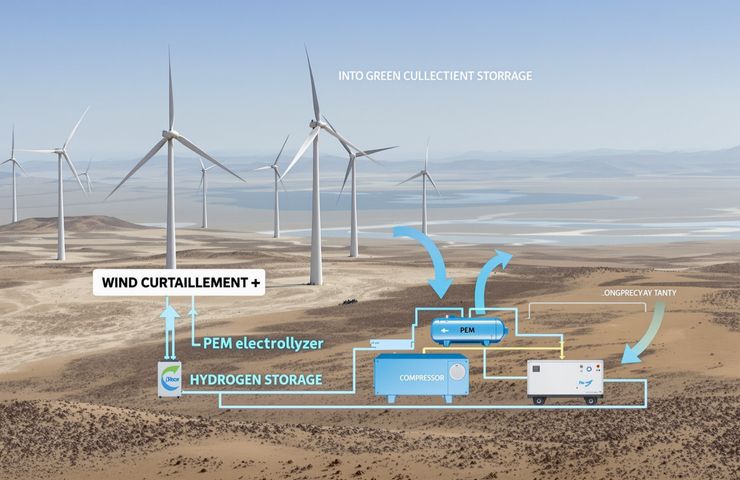
Shetland’s electricity grid can face curtailment when wind generation exceeds capacity. Electrolysers offer a flexible, high-demand load that can absorb excess power. By converting intermittent renewables into hydrogen and then ammonia, developers aim to stabilise local networks and create a valuable export commodity.
Ammonia synthesis facilities can operate continuously, boosting utilisation rates for wind farms that might otherwise be idle. Stored ammonia can be loaded onto tankers or shipped via the deep-water terminals at Sullom Voe, linking northern Scottish renewables to European fertiliser markets and emerging maritime-fuel corridors.
In addition to mitigating grid constraints, the model fosters a circular energy economy—capturing surplus green electrons and delivering them as a high-density chemical, ready for combustion in shipping engines or cracking back into hydrogen for fuel-cell applications. That circularity is a recurring justification for the concept.
Looking Ahead: A Glimpse into the Future
The shift from oil-and-gas activity to renewable chemicals could redefine Shetland’s industrial identity. Pending planning approvals, subsidy awards under the UK Hydrogen Production Business Model and firm offtake contracts, up to 480 MW of electrolytic capacity could come online. That scale would make northern Scotland a significant node in the UK’s broader clean-energy network.
Local benefits could include multi-million-pound land-lease income for the council, construction jobs in civil works and electrical installation, and long-term technical positions in plant operation and maintenance. The projects promise skills transfer from the oil-and-gas sector into green-chemicals manufacturing — an explicit aim of proponents and a likely outcome if the developments proceed.
While imported ammonia remains competitively priced, domestic green-ammonia output could hedge against international market volatility and carbon-cost exposure. As part of the wider energy transition, Shetland’s green-ammonia vision offers a practical offtake route for subsidised hydrogen, a potential marine-fuel supply chain and a blueprint for leveraging constrained renewable resources. It is a clear example of how constrained generation can be repurposed into tradable, low-carbon products and a model other regions may study as they plan their own hydrogen infrastructure.