News
Tips for Reducing Fleet Fuel Costs: Strategies for Maximum Savings
To reduce fleet fuel costs, implement preventative maintenance regularly to enhance gas mileage, minimize idling time among drivers, and utilize GPS navigation systems to streamline routes. Additionally, consider adopting fleet fuel cards for discounts on fuel purchases and investing in technology that monitors vehicle performance for improved efficiency. Fleet managers today are dealing with rising fuel costs that eat away at profit margins and complicate budget planning. Implementing efficient management strategies is no longer just an option; it's indispensable for maintaining financial h…
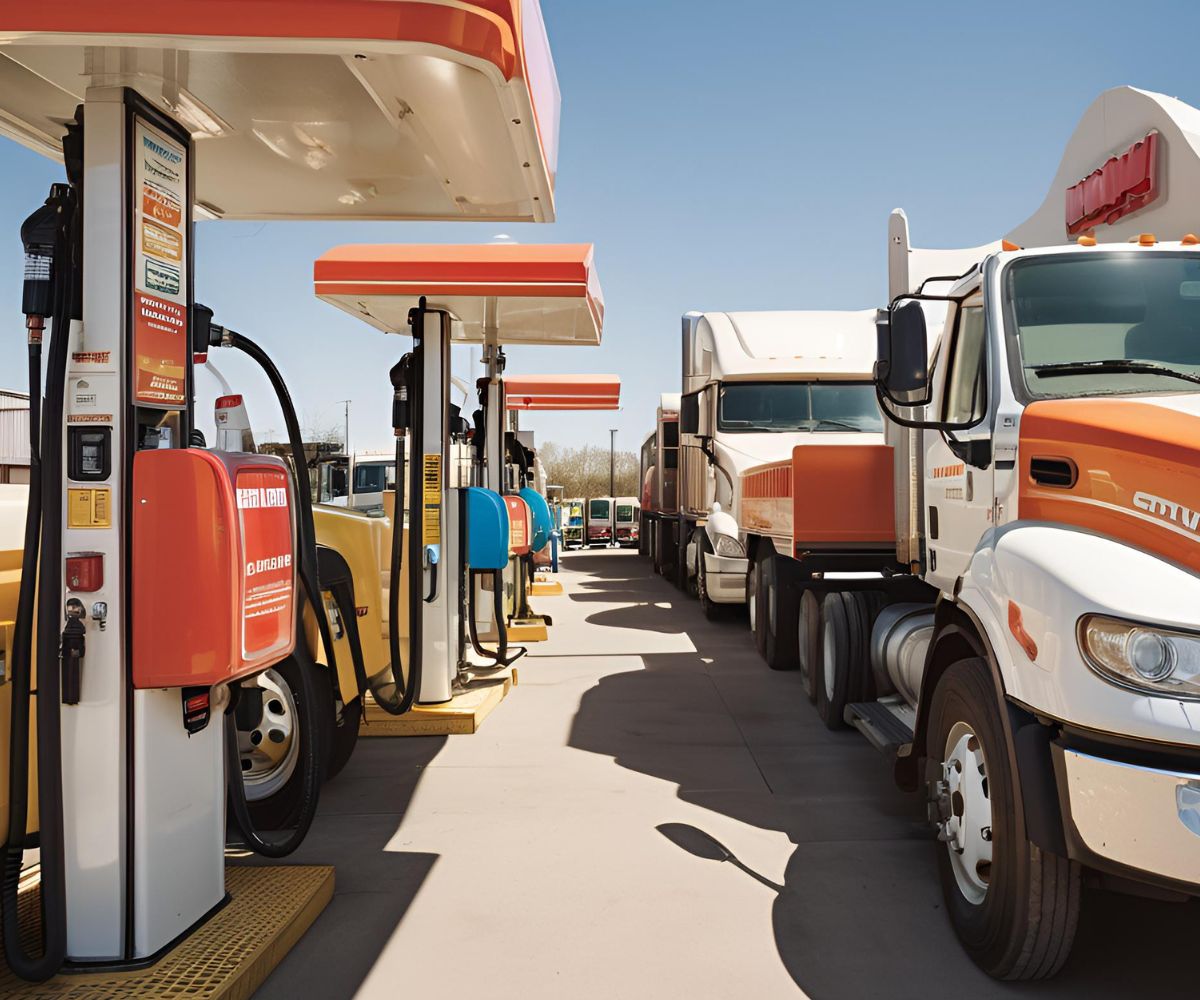
To reduce fleet fuel costs, implement preventative maintenance regularly to enhance gas mileage, minimize idling time among drivers, and utilize GPS navigation systems to streamline routes. Additionally, consider adopting fleet fuel cards for discounts on fuel purchases and investing in technology that monitors vehicle performance for improved efficiency.
Fleet managers today are dealing with rising fuel costs that eat away at profit margins and complicate budget planning. Implementing efficient management strategies is no longer just an option; it's indispensable for maintaining financial health and operational efficiency. This article dives into actionable tips compiled through extensive research and detailed analysis, aimed precisely at alleviating your primary financial pressures.
Surprisingly, one straightforward tool—real-time GPS tracking—can lead to noticeable savings by reducing idle time and improving route efficiency. Let's explore how leveraging such technologies can transform your fleet’s fuel consumption, starting with real-time tracking insights that provide immediate benefits without disrupting existing operations.
Leveraging Fuel-Saving Technologies
Implementing fuel-saving technologies can dramatically decrease overall fleet costs while also supporting sustainability initiatives. It begins with telematics systems, which serve as the backbone of modern fleet management. By collecting and analyzing data on fuel consumption, idle times, and driving patterns, these systems offer invaluable insights that help fleet managers make informed decisions.
For example, companies such as Verizon Connect provide tailored telematics solutions that can uncover details about driver habits impacting fuel efficiency. This knowledge has the potential to lead to fuel savings of up to an impressive 20%, transforming operational practices and bottom-line results.
As we look deeper, it becomes essential to explore another technology that's gaining traction in the fleet management arena: aerodynamic attachments.
Implementing Efficient Fleet Management Strategies
Effective fleet management isn't just about keeping your vehicles running; it's a holistic approach that can significantly impact your bottom line. By utilizing real-time tracking, you can gain insights into how your fleet operates daily, leading to enhanced efficiency. For instance, modern GPS technologies allow you to follow vehicle locations, routes, and driving behaviors instantly. This kind of oversight doesn't merely keep track of where your vehicles are; it also empowers you to make informed decisions based on actual data. Research from Fleet Complete indicates that using real-time GPS tracking reduced idle time by up to 23%, which directly translates into lower fuel consumption and operational costs. Building on the foundation using fleet cards for tracking, another crucial element is maximizing the absolute efficient use of vehicles in your fleet. By carefully analyzing vehicle usage data, you can uncover patterns that might reveal underutilized assets within your fleet. If certain vehicles are consistently sitting idle or are used less often than others, those resources could be better allocated elsewhere. This analysis not only helps eliminate unnecessary expenses but can also lead to repurposing these vehicles for more efficient tasks. Consequently, by narrowing down on which vehicles genuinely contribute to efficiency and profitability, businesses can decrease overall operating costs without compromising service quality. As we dig deeper into these strategies, it's essential to remember that consistent maintenance plays a pivotal role in conserving fuel and extending the life of your fleet. The key to effective fleet management lies not only in data collection but also in following up with actionable insights through routine assessments. Investigating vehicle performance against benchmark standards will help identify opportunities for improvement that can result in significant cost savings over time. By weaving together comprehensive tracking and smart utilization of resources, you position your fleet for maximum efficiency while minimizing unnecessary expenditures. Transitioning from efficient resource management, let's explore critical practices that enhance vehicle longevity and performance.
Vehicle Maintenance Best Practices
Regular maintenance is the backbone of any efficient fleet management system; it ensures that each vehicle operates at its peak while simultaneously decreasing fuel expenses. When you prioritize routine checks and maintenance tasks, you're not just prolonging the life of your vehicles but also enhancing their fuel efficiency. A well-maintained engine can have a profound impact on how much fuel your fleet consumes.Routine Preventative Maintenance (PM)
Simple tasks like oil changes, replacing air filters, and tune-ups can significantly boost gas mileage—by about 4%—which translates into real savings over time. Additionally, using synthetic oil can further enhance efficiency by reducing internal friction within the engine components. This results in less energy wasted when the engine runs, contributing to lower fuel consumption. Imagine filling up your tanks less frequently just because you took the time to ensure your trucks were running smoothly—a worthwhile investment in every sense! Beyond engine care, one cannot overlook the role of tires in optimizing fuel efficiency.Tire Pressure Monitoring
Proper tire inflation plays a vital role in determining fuel efficiency as well. Did you know that maintaining correct tire pressure can improve fuel economy by up to 3%? Under-inflated tires create additional drag that forces your vehicle to work harder, thereby consuming more fuel. Regular checks can save a significant amount over time—especially for fleets that log hundreds or thousands of miles each week. Emphasizing consistent tire monitoring isn't merely anecdotal; data robustly supports these claims. Fleet managers should make tire pressure checks part of their daily routines. A simple gauge allows drivers to quickly verify their tires remain optimally inflated before hitting the road. Not only does this step help prevent blowouts and accidents, but it ensures each trip is as efficient as possible. Having established maintenance practices, it's now key to focus on teaching drivers how to effectively implement these strategies to maximize efficiency.Training Drivers for Fuel Efficiency
Teaching drivers how to operate their vehicles more efficiently isn't just a good idea—it's essential for managing fleet expenses. By implementing training programs centered around efficient driving practices, businesses can see tangible improvements in fuel consumption, which directly impacts the bottom line. The essence of this training is rooted in the fact that a driver’s behavior on the road can contribute to significant variations in fuel use, showcasing their vital role in a fleet’s operational success.Techniques to Train Drivers
- Smooth Acceleration and Braking: One of the easiest yet most effective ways to save fuel is by encouraging smooth acceleration and braking techniques. When drivers start and stop gently rather than with sudden jolts, they can improve their vehicle's fuel efficiency by as much as 20%. This consistent practice not only conserves fuel but also extends the life of various components within the vehicle, such as brakes and tires.
- Minimize Idling Time: Educating drivers about the implications of idling is crucial. It's surprising to learn that idling can waste up to half a gallon of fuel per hour. By making drivers aware of opportunities where they can turn off their engines, like during long wait times or while parked, they will naturally conserve fuel and reduce costs over time.
- Maintain Optimal Speed: Speed plays a crucial role in determining fuel consumption. Most vehicles have an optimal speed range where they operate efficiently—typically around 55-65 mph. Training drivers to maintain moderate speeds rather than excessive speed variations can lead to significant savings in fuel. A driver who practices maintaining this pace not only benefits from savings but also contributes to overall road safety.
Optimizing Route Planning
Effective route planning is a game-changer when it comes to minimizing unnecessary mileage and cutting fuel consumption. By carefully considering how vehicles are routed, companies can significantly reduce idle time and streamline operations, which not only saves money but also enhances overall efficiency.Utilize GPS and Mapping Software
One of the most effective tools at your disposal is advanced GPS and mapping software. These systems do more than just provide directions; they calculate the most efficient paths based on real-time data concerning traffic patterns, road construction, and weather conditions. This means that instead of taking a predetermined route that may end up being longer due to gridlock or detours, you can rely on dynamic suggestions that adjust as new information comes in. For instance, using a routing solution that recalculates routes in response to live traffic can save substantial time and, more importantly, fuel.Reduce Empty Miles
Another crucial aspect of optimizing route planning involves minimizing empty miles. Empty miles refer to the distance traveled without any cargo, representing wasted fuel and lost revenue. Research shows that by reducing empty miles by just 1%, fleets can save over 100 gallons of fuel annually per truck. Consider FedEx; by integrating sophisticated route optimization software into their operations, they've successfully saved millions of gallons of fuel each year by ensuring their trucks are consistently carrying loads in both directions whenever possible. The emphasis on leveraging technology not only highlights potential savings but also underscores the broader trend toward data-driven decision-making in logistics.Leverage Historical Data
Furthermore, using historical data alongside real-time data can enhance your route optimization efforts even further. By analyzing previous trips, companies can identify patterns that reflect peak traffic times, frequent delays due to construction projects, or specific areas prone to accidents. This allows for better forecasting and avoids routes known for inefficiencies. Additionally, implementing analytics tools can enable fleet managers to understand driver behavior related to routing decisions, paving the way for tailored training sessions aimed at enhancing performance. As we consider the multifaceted approach of utilizing data for operational efficiency, it's essential to examine how emerging technologies are reshaping fuel management practices.Leveraging Fuel-Saving Technologies
Implementing fuel-saving technologies can dramatically decrease overall fleet costs while also supporting sustainability initiatives. It begins with telematics systems, which serve as the backbone of modern fleet management. By collecting and analyzing data on fuel consumption, idle times, and driving patterns, these systems offer invaluable insights that help fleet managers make informed decisions.
For example, companies such as Verizon Connect provide tailored telematics solutions that can uncover details about driver habits impacting fuel efficiency. This knowledge has the potential to lead to fuel savings of up to an impressive 20%, transforming operational practices and bottom-line results.
As we look deeper, it becomes essential to explore another technology that's gaining traction in the fleet management arena: aerodynamic attachments.How was this article?
Thanks for the feedback!