OMV Switches On Austria’s Largest Green Hydrogen Plant to Power Cleaner Fuels
OMV launches Austria’s largest green hydrogen plant at the Schwechat refinery, producing 1,500 tons a year with PEM electrolysis. The project supports low-carbon fuel production and is certified for EU RFNBO rules.
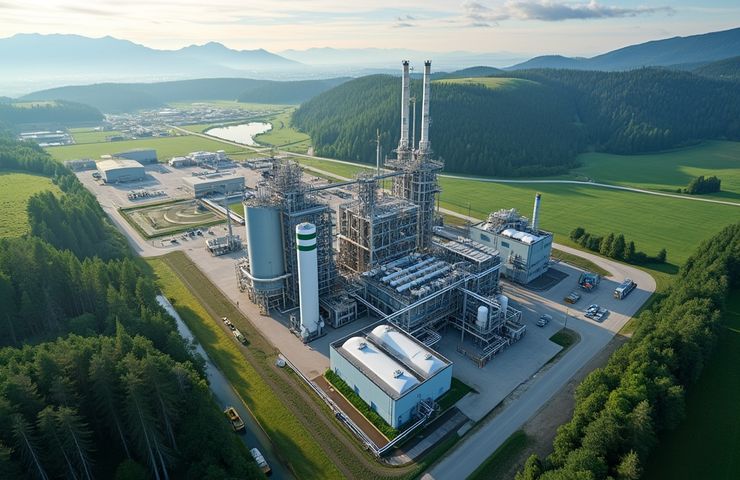
Austria’s stepping up its clean energy game. In May 2024, OMV – a major player in Europe’s energy landscape – flipped the switch on the country’s largest green hydrogen facility at its Schwechat refinery, just a stone’s throw from Vienna. And this isn’t just a shiny new gadget – it’s a fully operational plant making clean fuels that matter.
From Fossil Roots to a Cleaner Future
Let’s talk scale. This isn’t some experimental pilot project – it’s the real deal. The Schwechat facility is geared up to produce as much as 1,500 metric tons of hydrogen a year. It runs on renewable electricity and relies on PEM electrolysis – a high-efficiency process that splits water into hydrogen and oxygen, all without releasing a single puff of CO₂.
So, where’s all that clean hydrogen going? It’s headed straight into the production of sustainable aviation fuel (SAF) and renewable diesel (HVO) – two climate-conscious alternatives needed to start decarbonizing stubborn sectors like aviation and heavy transport. On top of that, this one facility alone is expected to cut up to 15,000 tons of CO₂ emissions every year. That’s not just a bullet point in a climate report – that’s boots-on-the-ground impact.
Why Schwechat? Why Now?
Schwechat’s got history and horsepower. Situated near Vienna and smack in the middle of Austria’s industrial heartland, the refinery is already wired into major logistic routes and a rich talent pool. Plus, it’s OMV’s go-to center for refining and chemicals, which makes it an ideal site to start blending new tech into existing systems. Pipes, tanks, and supply chains—some of them can be reused or retooled to handle low-carbon fuels.
And the timing couldn’t be sharper. Under the EU’s Renewable Energy Directive, energy producers are being pushed hard to churn out more RFNBOs (Renewable Fuels of Non-Biological Origin). OMV’s new facility checks all the right boxes to qualify, giving them an edge in a carbon-conscious market that’s getting stricter by the day.
The Tech That Makes It Tick: PEM Electrolysis
Now for the tech-savvy bit. The plant uses Proton Exchange Membrane (PEM) electrolysis, one of the front-running technologies in green hydrogen production. It’s compact, quick to start, and perfectly suited to renewable power sources like wind and solar. Toss in water, fire up the renewables, and out comes high-purity hydrogen gas – with no emissions in sight.
This isn’t just about showing off cutting-edge gadgets. It’s practical tech that fits seamlessly into refinery operations. Hydrogen is already needed for traditional refining processes like desulfurization – so integrating this clean alternative is both smart and strategic.
Beyond the Launch: The Business Logic
Sure, €25 million might not sound like a blockbuster investment for the energy sector. But don’t underestimate it – this is a test case at industrial scale. OMV’s sending a clear signal: it’s moving beyond oil and gas into the future of hydrogen production and circular, low-carbon fuels. This setup isn’t just about Austria; it aligns with broader goals across the company’s footprint – like OMV Petrom in Romania gunning for net zero by 2050.
And by housing green hydrogen in an already bustling refinery, OMV is doing something smart – they’re minimizing distribution headaches and keeping the fuel on-site, at least for now. It’s a play that buys them time, provides operational data, and shields against rising carbon costs. Basically, they’re building while learning – and that’s how you scale wisely.
Stepping Back: A Wider View of Europe’s Hydrogen Push
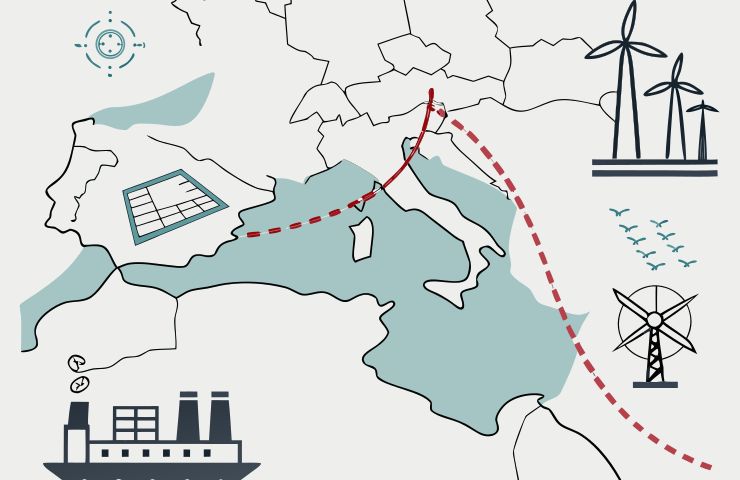
Zoom out a bit, and Europe’s hydrogen economy is moving at full tilt. Germany’s mapping out electrolyzer deployment, Spain's tying solar to hydrogen production, and cross-border deals with the Middle East are picking up steam. In that context, OMV isn’t just adapting – it’s vying for a leadership role.
Hydrogen’s not science fiction anymore. From cutting emissions in local transport to powering future fuels, it’s now a real part of Europe’s industrial transformation. Schwechat drives home the message: we don’t need to wait decades for some shiny net-zero future. The pieces are already starting to come together.
What’s Next?
The million-euro question: can this scale fast enough? OMV’s investment is a solid first step, but to truly slash emissions in aviation, freight, and chemicals, we’re going to need a much bigger game plan. Think regional renewable hubs, next-gen electrolyzers like solid oxide tech, and global supply collaborations. It won’t happen overnight, but stones are already being laid – one PEM electrolysis unit at a time.
And just like that, Austria – often quiet in the race for sustainable energy leadership – cranks up the volume.
About OMV
OMV is a Vienna-based energy and chemicals company with a strong footprint in Europe, the Middle East, and Asia. As part of its shift toward industrial decarbonization, it’s investing in green hydrogen production, renewables, and low-carbon fuels to help speed up the energy transition.