ZeroAvia’s Hydrogen Fuel Cell Powertrain to be Tested in Horizon’s eVTOL Aircraft
ZeroAvia and Horizon Aircraft are teaming up to explore hydrogen-electric propulsion for eVTOL flight, targeting zero-emission advanced air mobility with the ZA600 fuel cell system by 2025.
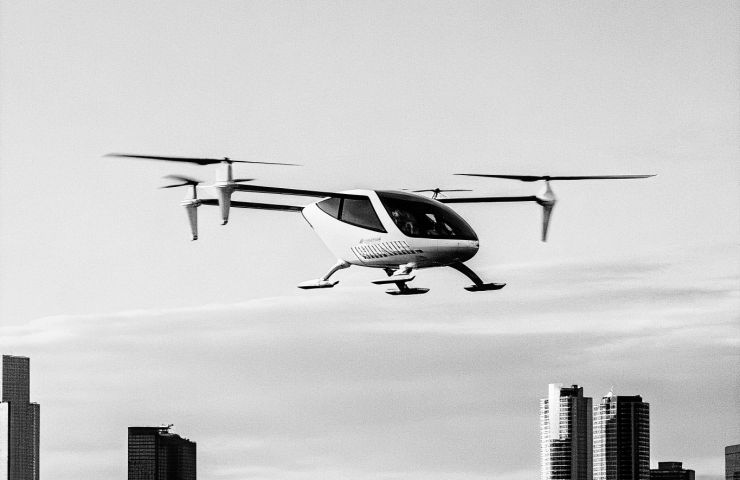
Zero-emission aviation just caught some serious wind in its sails. ZeroAvia and Horizon Aircraft have teamed up to explore how ZeroAvia’s ZA600 hydrogen-electric powertrain could be integrated into Horizon’s cutting-edge Cavorite X7 hybrid-electric eVTOL (that’s vertical takeoff and landing, for the acronym-savvy). Their shared mission? To build a scalable, zero-emissions propulsion system that could help revolutionize advanced air mobility.
Hydrogen Power Meets eVTOL Innovation
Announced on April 10, 2025, this collaboration brings together two front-runners in the world of hydrogen fuel cells and futuristic aircraft design. The ZA600 is a 600kW hydrogen-electric propulsion system designed for aircraft seating 10 to 20 people. Meanwhile, Horizon’s Cavorite X7 is still being fine-tuned, but it’s already turning heads thanks to its wing-embedded lift fans—ideal for quieter, more efficient short-range flights, especially in cities.
As one industry watcher puts it, “This sends a strong signal. Merging eVTOL capabilities with hydrogen fuel cell tech takes on both emissions and operational costs in one sweep.”
A Closer Look at the ZA600
At the core of all this is the ZA600’s hydrogen-electric setup. It works by feeding gaseous hydrogen into fuel cells to generate electricity, which then powers an electric motor hooked up to the propeller. Thanks to key components like the Fuel Cell SuperStack and high-tech inverters, the system delivers better performance, a quieter ride, and zero emissions at the tailpipe.
ZeroAvia is aiming to get the ZA600 into commercial service as early as 2025, with an expected range of around 300 nautical miles. Better yet, the U.S. FAA has already greenlit its certification path—a big win for getting this tech off the ground quickly.
Hydrogen’s Leap Into Urban Skies
This move is a real turning point for hydrogen-electric propulsion. Up until now, ZeroAvia’s tech was mainly headed toward retrofitting fixed-wing regional aircraft. But pivoting to eVTOLs opens up whole new verticals (pun intended). With urban areas pushing for cleaner, quieter transportation, hydrogen’s potential in the skies above cityscapes is more promising than ever.
It also makes business sense. ZeroAvia expands its customer base, and Horizon gets closer to a fully zero-emission aircraft. It’s a win-win.
Why It Matters for Emissions and the Bottom Line
Let’s not forget: aviation still accounts for about 2–3% of global CO₂ emissions. But short-haul and regional flights offer a sweet spot for decarbonization. Hydrogen fuel cells like the ZA600 aren’t just cleaner—they can also cut fuel costs and bring down noise, two massive factors in today’s congested, noise-sensitive air corridors.
Plus, if Horizon can show how their design pairs seamlessly with clean fuel cell technology, it could solve one of eVTOL’s biggest issues: limited battery range and weight. That opens the door for longer trips and heavier payloads—without the emissions.
And here’s the cherry on top: a successful rollout could spur investment in the kind of hydrogen ground support and refueling infrastructure that’ll be needed, especially at smaller regional airports and new-age urban “vertiports.”
Hydrogen’s Bigger Role in Aviation
If aviation wants to meet climate goals, it can’t just incrementally improve—it needs to rethink propulsion from the ground up. And that’s exactly what’s happening today as interest in hydrogen fuel cells explodes. What once seemed like an over-complicated solution is now taking center stage, thanks to major strides in electrolysis, hydrogen storage, and scalable logistics.
ZeroAvia’s been at the forefront of this shift since its launch in 2017, flying large-scale test planes and partnering with top-tier aircraft manufacturers. Horizon, meanwhile, is a rising star out of Canada with the kind of fearless design approach the industry needs. The Cavorite X7 proves they’re not just dreaming big—they’re building big too.
Key Things to Watch
- Will this lead to full-scale flight tests or flying prototypes?
- Can both players stick to the aggressive 2025 service entry timeline?
- How will regulators wrap their heads around a hybrid hydrogen-eVTOL certification process?
- And perhaps most importantly—will this boost public confidence in hydrogen-powered aviation?
One thing’s clear: this isn’t just about swapping out engines. It’s about redesigning the aircraft of tomorrow around zero-emission technology from day one.
Hydrogen fuel cells may not be carrying passengers on every route just yet—but with bold moves like this, they’re no longer a far-off fantasy. They’re getting ready for takeoff.