News
Texas Hydrogen Production Faces Water Sustainability Crossroads
Texas’s booming hydrogen sector is facing mounting scrutiny over its water use, as technologies like SMR and electrolysis ramp up in a state with a long history of drought and water stress.
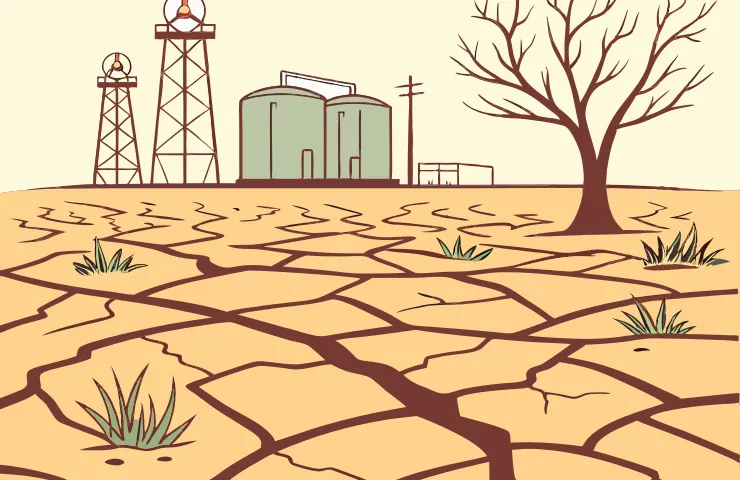
Texas’ Hydrogen Boom Is Putting a Squeeze on Water
Texas is charging full speed ahead into the hydrogen game, hoping to lead the world in clean energy. But there’s a bump in the road—its thirsty hydrogen production methods are starting to clash with an already overworked and underfed resource: water. The Lone Star State has everything going for it when it comes to large-scale hydrogen production—massive energy infrastructure, abundant natural gas, and wide-open spaces packed with renewable potential. Backed by the Inflation Reduction Act and state-driven incentives, projects are cropping up fast. But as the hydrogen gold rush picks up steam, a big question looms: can Texas’ strained water systems keep up?Hydrogen Doesn’t Happen Without Water
When it comes to making hydrogen, two methods dominate in Texas: steam methane reforming (SMR) and electrolysis. Both are heavy hitters—not just in energy, but in water use, too. SMR works by reacting methane with high-temperature steam to produce hydrogen. The downside? It guzzles water and spits out a lot of CO2. Sure, facilities are starting to tack on carbon capture systems to catch some of those emissions, but those upgrades don’t solve the water issue. Then there’s green hydrogen—the buzzier, supposedly cleaner alternative. Made using electrolysis, this method splits water into hydrogen and oxygen using renewable electricity. But it takes about nine liters of purified water to make just one kilogram of hydrogen. Add in losses from filtering and pre-treatment, and that number climbs. Multiply it by the massive volumes these plants aim to produce, and you’ve got a serious thirst problem on your hands.A State Thirsty for Solutions
Here’s the catch: water has always been a touchy subject in Texas. The state’s struggled with droughts, booming population growth, and increasing agricultural needs. Its 30-million-and-counting residents are already stretching the system thin. That’s where the Texas Water Development Board (TWDB) comes in. Since 1957, they’ve been keeping tabs on water planning, drought response, and overall supply management. Now, with major hydrogen activity planned in drier areas like West and South Texas, hydrogen developers are being urged—if not flat-out required—to work hand in hand with water authorities to avoid major headaches down the line.When Energy Goals Clash with Real-World Needs
The stakes go far beyond powering trucks and factories. If hydrogen plants start pulling too much from underground aquifers or nearby rivers, it could spell trouble for farmers, towns, and already-vulnerable ecosystems. That many water straws going into the same glass could leave some folks—especially in disadvantaged communities—dry. Environmental advocates are especially wary. They argue that if sustainable energy sources like green hydrogen start relying too heavily on unsustainable water use, they’re not really so “green” after all. Harm to fish habitats, stream flow changes, and degraded soil health are just a few of the risks if no one’s keeping an eye on how much water is being taken—and from where.Smart Policy and Smarter Tech: The Way Forward
With hydrogen on the rise, Texas is at a crossroads. Cracking the code on how to balance energy and water isn’t optional—it’s mission critical. And the good news? There are a few ideas already in play.- Tougher siting requirements so plants don’t pop up where water is already in short supply
- Mandatory water impact reports before greenlighting new hydrogen infrastructure
- Incentives for water-saving gear like vapor-fed electrolyzers and smarter cooling systems
- Increased access to recycled or non-potable water for industrial applications
Hydrogen’s Water Reality Is Coming Into Focus
Here’s the bottom line: you can’t truly talk about industrial decarbonization without talking about how it relies on water. And in Texas, that conversation just got real. If energy companies, state agencies, and local communities can get on the same page, hydrogen might just live up to its promise as a key player in a sustainable energy future. But if they don’t, they could end up solving one crisis by triggering another. So don’t be surprised when the industry’s focus shifts from “make more hydrogen” to “make better hydrogen.” Water, it turns out, is going to be central to how that story plays out.How was this article?
Thanks for the feedback!