SamTrans and Trillium Push Forward Hydrogen Fuel Cell Infrastructure in South San Francisco
SamTrans is investing $17.37 million in a permanent hydrogen fueling station with Trillium to support its fleet of fuel cell-electric buses in South San Francisco—launching July 2025 as part of its zero-emission transit push.
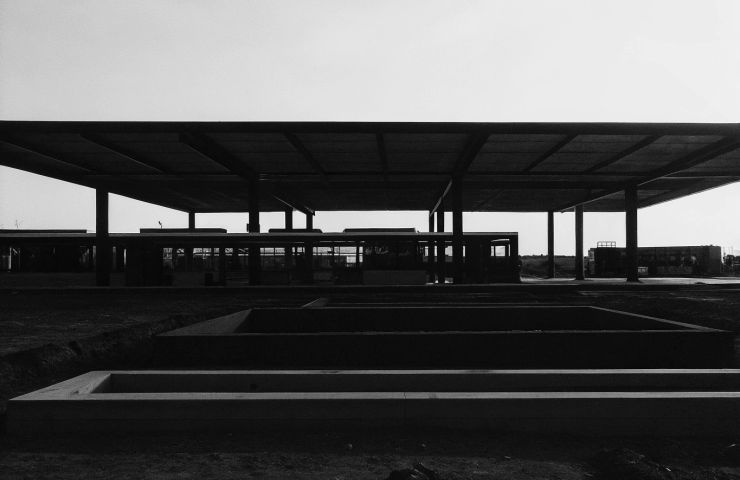
SamTrans is taking a big leap toward cleaner, greener transit by teaming up with Trillium USA Company, LLC to build a permanent hydrogen fueling station right in South San Francisco. Set to open by July 2025, the station will power the agency’s growing fleet of hydrogen fuel cell-electric buses (FCEBs), nudging the Bay Area closer to a truly zero-emission public transportation system.
A Game Changer for Sustainable Transit
SamTrans—short for the San Mateo County Transit District—is laying down serious groundwork to cut emissions and bring its bus operations into the future. As part of its Innovative Clean Transit Plan, the agency tapped Trillium, a U.S.-based expert in sustainable energy infrastructure, to handle everything from design to upkeep of the new hydrogen station, which will be located at its North Base facility.
The project comes with a price tag of about $17.37 million for construction, plus another $2.97 million over the next five years to keep it running smoothly. Once it’s up and running, this station will give SamTrans a huge boost as it shifts toward fuel cell technology, offering faster refueling and longer range than traditional battery-electric buses—key factors for high-use, high-mileage transit routes.
How Hydrogen Fueling Stations Work
So what’s the magic behind hydrogen infrastructure? These stations store, compress, and pump hydrogen into FCEBs, which then convert that hydrogen into electricity with nothing but water vapor coming out of the tailpipe. While battery-electric vehicles have been grabbing headlines, hydrogen is quietly carving out its own lane—especially on longer, tougher transit routes that demand quick turnarounds and higher energy output.
Why It Makes Sense — Right Here, Right Now
South San Francisco—already a hub for biotech—is fast becoming a key player in the clean energy transition. This hydrogen project dovetails perfectly with California’s climate goals and its larger push for investments in zero-emission technology. With more statewide support pouring in, this move puts SamTrans at the center of the action.
And this isn’t SamTrans’ first rodeo when it comes to hydrogen fuel cells. The transit agency has already added these buses to its fleet and has repeatedly praised their ability to handle colder weather and emergency conditions better than some other electrification options.
Why Trillium?
Trillium USA Company, LLC wasn’t picked out of the blue. The company has a solid track record of designing and maintaining fueling stations that support alternative fuel vehicles—from CNG to EV charging facilities. Their focus on safety and reliability likely played a big role in locking down this contract.
Beyond Emissions: The Bigger Picture
This project isn’t just about buses—it’s about laying the foundation for a bigger shift toward clean transportation. Every investment in hydrogen infrastructure adds more certainty to the market, encourages production and innovation, and aligns with California’s broader mission to decarbonize everything from transit to heavy industry.
There’s also a real payoff for the community. With traffic and air pollution still major headaches across the Bay Area, switching to FCEBs can mean cleaner air and quieter buses for those who rely on public transit every day. That’s a win-win for riders and the neighborhoods they travel through.
What’s Next?
The hydrogen station should be ready to roll by mid-2025. In the meantime, SamTrans is still mixing in conventional and alternative-fuel buses—but make no mistake, this is just a pit stop on the road to zero emissions. The agency is clearly all-in on getting there.
This effort reflects a growing trend in public transit where hydrogen isn’t just a buzzword—it’s becoming a real, workable part of the future. While battery-electric buses still have a role to play, hydrogen is proving itself to be a powerhouse, especially when distance, uptime, and heavy use matter most.
As California’s energy and transportation policies keep pushing forward, and more cities follow the lead of projects like this one, expect to see hydrogen fueling stations become a much more common sight. For now, South San Francisco is shaping up to be a showcase of how hydrogen can go the distance in real-world transit.
More details via Hoodline | Official press release from Mass Transit Magazine