Hydrogen Production Breakthrough: SECLG Converts Sugarcane Waste into High-Purity Green Fuel
South African researchers have developed a high-efficiency SECLG process to produce green hydrogen from sugarcane waste. With built-in carbon capture and superior purity, this biomass-based approach could reshape industrial energy in bagasse-rich economies.
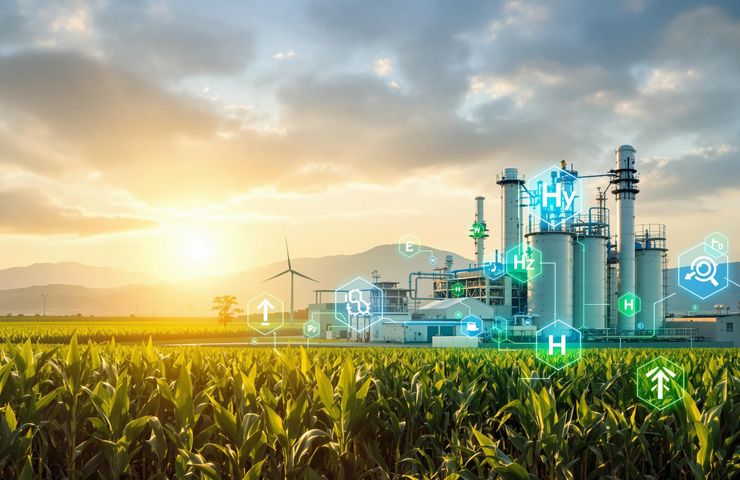
Green hydrogen just got a shot in the arm from way down south—Johannesburg, South Africa, to be exact. A groundbreaking project there is taking agricultural waste and turning it into clean energy, using a method that could give traditional approaches a run for their money.
From Bagasse to Breakthrough: SECLG in the Spotlight
At the heart of this innovation is a high-tech process called Sorption-Enhanced Chemical Looping Gasification (SECLG). It taps into sugarcane bagasse—the fibrous leftovers from sugar production—as a fuel source to produce hydrogen. But this isn't just any hydrogen. We're talking about high-purity stuff—with up to 69% hydrogen concentration—while capturing carbon right in the process.
This exciting work is being led by Professor Bilainu Oboirien at the University of Johannesburg, with sleek computational models developed by Master’s student Lebohang Gerald Motsoeneng. Their research shows that SECLG not only stacks up well against standard biomass gasification but might actually outperform it.
The Bigger Picture: Green Hydrogen and Heavy Industry
Let’s face it—cleaning up industries like steel, cement, and chemicals isn’t exactly a walk in the park. They’re energy-guzzlers and heavily tied to fossil fuels. But that’s where SECLG shines. It turns agricultural leftovers into usable energy while baking in carbon capture capabilities. That’s a two-for-one win for industrial decarbonization.
Old-school gasification processes still rely on direct air inputs, which often bring nitrogen along for the ride—messing with efficiency and emissions. In contrast, SECLG swaps that out for oxygen supplied by metal oxides. No nitrogen, no problem. You get cleaner hydrogen, minimal tar, and fewer emissions. Not to mention, it’s easier on the wallet in the long run.
Local Roots, Global Impact
Here’s where it gets really interesting. Countries like South Africa, Brazil, India, and China are already using sugarcane bagasse extensively to generate electricity. That existing infrastructure means there's massive potential for retrofitting with SECLG tech—no need to reinvent the wheel. These nations could find themselves leading the charge in a global sustainable hydrogen revolution.
And Johannesburg, with its growing reputation as a hub for energy innovation, is right in the thick of it. The work being done at the University of Johannesburg could help the entire region take a big leap toward scalable hydrogen production.
No Free Rides: The Path Forward
That said, there’s still some heavy lifting to do. The lab models look great on paper, but rolling this out at industrial scale comes with its own set of hurdles. Think material wear on oxygen carriers, degradation of solid sorbents, and just getting the plant hardware to handle all that solid material without a hitch.
Plus, there's the big one—money. SECLG is still in its developing phase, and scaling it up will require serious investment and industry buy-in. Pilot projects and demo plants will be crucial to prove that this tech works as well in the field as it does in simulations.
A Strong Match for Global Climate Goals
Here’s the bigger takeaway: if SECLG pans out, it could be a game-changer for countries chasing net-zero targets. It addresses two huge issues—fossil fuel dependency and agricultural waste—just when the world needs solutions. As demand ramps up for hydrogen fuel cells and clean ammonia production, scalable, affordable green hydrogen options like this will only grow more valuable.
As one analyst close to the study put it: “If we can turn leftover bagasse into a clean energy source, we could reimagine Africa’s industrial path.” And honestly, it’s tough to argue with that. Turning industry scraps into something as valuable as hydrogen sounds like a pretty smart move—and a hopeful one at that.
What’s Next?
All eyes are now on July 14, 2025—that’s when the final phase of the study is set to drop. If everything goes to plan, SECLG could go from promising research to a workable, real-world solution. With continued momentum, government support, and industrial partnerships, this homegrown South African innovation might just help close the gap between hype and hard results in green hydrogen.
Want to dive deeper? Check out the University of Johannesburg’s work in peer-reviewed journals like Energy & Fuels and Sustainable Energy Technologies and Assessments.