
News
Hydrogen Fuel Cell Tech Propels Guardian UUV to a New Standard in Undersea Autonomy
Guardian UUV nails 60-day undersea missions using hydrogen fuel and zero human ops. Metron and Cellula just changed the subsea game.
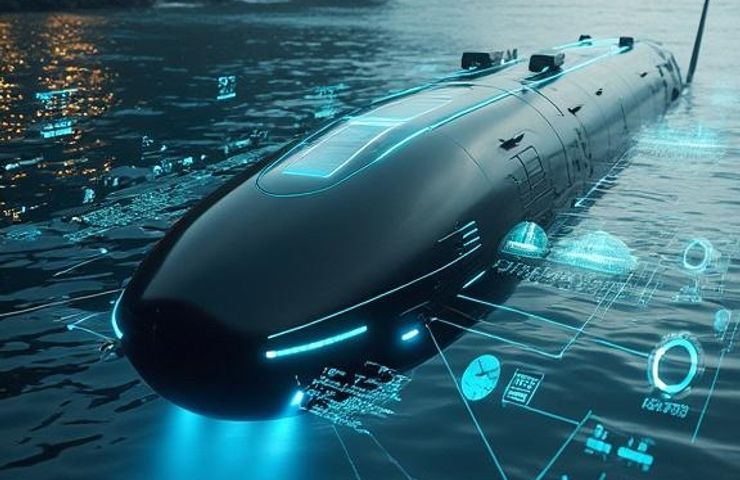
Fully Autonomous and Fueled by Hydrogen: Guardian UUV Pushes the Limits
In July 2025, just off the coast of Vancouver, Cellula Robotics and Metron Inc. quietly changed the game with their breakthrough in next-gen undersea vehicles. Their creation—the fully autonomous Guardian UUV—ran a real-world, no-tethers, no-humans-needed trial. And it crushed it. We're talking a 5,000-kilometre range and an industry-shaking 60 days of non-stop underwater operation. Powered by cutting-edge hydrogen fuel cell technology and driven by Autonomous Navigation Command and Control (ANCC) software, Guardian didn't just pass a test—it reshaped what's possible beneath the waves.What It Means
This isn't a small step forward. It's a giant leap toward a cleaner, more capable undersea future. Militaries around the world, especially those with eyes on increasingly contested waters, are searching for smarter ISR (intelligence, surveillance, and reconnaissance) tools. With Guardian, they get seriously extended reach, no need for human pilots, and near-zero emissions—all while staying off the radar in the most denied operating environments.Why Hydrogen, Why Now?
Traditional battery-powered UUVs always ran into the same wall: limited endurance. Diesel-powered systems had the range but came with noise, emissions, and a hefty logistics load. Enter fuel cell technology—a sweet spot that delivers serious underwater staying power without the carbon footprint. Thanks to Cellula’s hydrogen fuel cells, Guardian can remain submerged and mission-ready for up to two months. It's plug-and-play ready too, with swappable payloads for everything from mine hunting to seabed infrastructure inspection. At the same time, Metron’s ANCC software makes on-the-fly decisions, re-routing and adapting based on mission conditions without ever phoning home.The Big Play: Dual-Use Defense and Commercial Promise
Sure, this particular test had a defense focus—but that’s only half the story. Cellula’s autonomous undersea vehicles are also aimed at the commercial sector, especially offshore industries like wind, oil, and gas. For them, long-duration unmanned systems mean safer inspections, lower costs, and fewer risks. Governments and energy companies are watching closely. With sustainable energy now front and center for both private and public stakeholders, zero-emission technology like Guardian has serious cross-sector pull. And let's not forget the defense angle. With rising maritime tensions—especially in places like the Indo-Pacific—countries like the US and Canada now have an option for stealthy, long-range underwater surveillance that doesn't require sending people into danger zones or operating expensive manned subs.Historic Pivot: UUVs Cross the Chasm
This isn't some futuristic concept. We've officially moved beyond "glorified remote-control subs." The Guardian is a legit autonomous ocean rover—a fully capable undersea drone that can operate independently for weeks on end, covering thousands of kilometers. What made it possible? A 20-year grind that’s finally paid off, with hydrogen fuel cells delivering the range and autonomous navigation software enabling complex mission execution—all while keeping emissions to zero. And fewer humans in the loop means fewer lives at risk when tensions spike.Perspective
Let’s be real—this is more than just high-tech progress. It's a full-on shift in how we think about underwater ops. Militaries adopting this tech will fundamentally change what underwater warfare and surveillance look like. But it also raises tough questions. How do we feel about a future where fleets of autonomous, hydrogen-powered drones are cruising the ocean floor, eavesdropping on subsea cables or watching shipping lanes? It’s coming. And it’s coming fast.What’s Next?
Next up, Cellula and Metron are taking Guardian abroad for more testing—targeting waters in the US and UK throughout the rest of 2025. These expanded trials could lock in Guardian’s value in NATO waters and open the door to international deployment. If it convinces defense buyers—and lines up with the push for sustainable energy and zero-emission technology—expect procurement to move quickly. Because now it’s not just about performance. It’s about strategy, the environment, and staying ahead in an increasingly autonomous underwater battlefield. The ocean’s no longer a black box. It’s being watched—cleanly, quietly, and without coming up for air.How was this article?
Thanks for the feedback!