Hydrogen Fuel Cell Buses Hit the Road in Mississauga as Clean Transit Momentum Builds
Canada's Mississauga is rolling out hydrogen fuel cell buses made by New Flyer and powered by Ballard systems—marking a major step in real-world deployment of zero-emission transit technology.
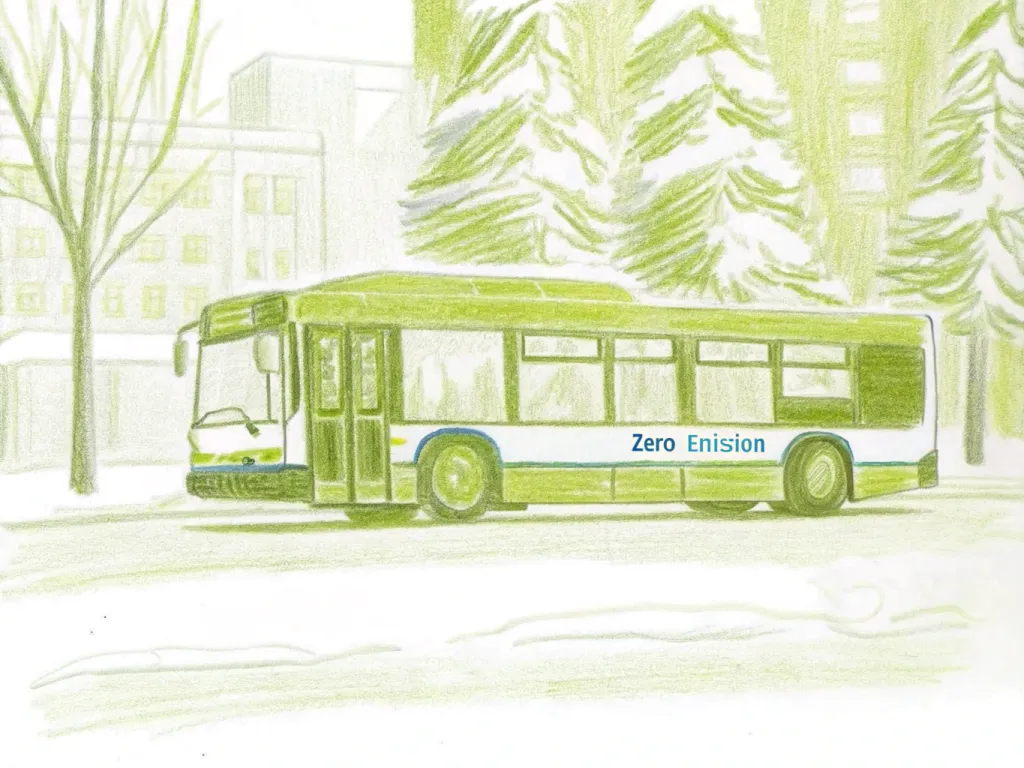
Mississauga, Ontario isn’t just talking about going green — the city’s actually doing it. It’s stepping up in a big way, becoming one of Canada’s trailblazers when it comes to rolling out real-world hydrogen fuel cell transit solutions. This isn’t just about climate goals on paper — it’s about making them happen with action on the ground.
Hydrogen in Action: Mississauga's Real-World Rollout
While a lot of cities are busy drafting net-zero plans and promising cleaner futures, Mississauga is moving past the talk. Hydrogen-powered fuel cell electric buses — built by New Flyer Industries and powered by Ballard Power Systems’ cutting-edge fuel cell technology — are now cruising through local neighborhoods. Backed by the Canadian Urban Transit Research & Innovation Consortium (CUTRIC), this project stands out as one of the most advanced urban-scale examples of zero-emission technology in North America.
Why this matters: Sure, battery-electric vehicles are making headlines, but hydrogen fuel cells bring some major advantages to the table — think longer driving range, faster refueling, and better reliability in freezing conditions (something Mississauga knows all too well during those snowy Ontario winters). Buses are a perfect fit for this tech — they follow consistent routes and can rely on structured hydrogen infrastructure.
What’s Driving the Shift?
It’s not just about local climate targets. Canada is betting big on clean hydrogen as a key part of its energy game plan. Mississauga’s bus launch fits neatly into the broader vision of a national hydrogen economy that fuels clean innovation and drives serious industrial decarbonization.
At the same time, the U.S. — especially since the Biden administration took over — has been pumping serious dollars into regional hydrogen hubs. It's a sharp pivot from the previous administration and a clear signal that hydrogen infrastructure is now firmly on the radar of North America’s biggest policymakers.
Inside the Technology
The magic behind these buses? It’s all in Ballard’s proton exchange membrane (PEM) fuel cell. The system uses hydrogen stored on board and turns it into electricity, releasing nothing but water vapor and a bit of heat. Unlike battery-powered buses that need hours to charge, these vehicles refuel in just minutes — a huge win for high-use fleets that can’t afford much downtime.
Collaboration Key to Progress
None of this would’ve happened without some serious teamwork. You’ve got New Flyer, the country’s biggest bus manufacturer. Then there’s Ballard, a veteran in fuel cell technology. And finally, CUTRIC, which connects public and private organizations to make low-carbon transit a reality. Together, they’re proving how cities, companies, and innovators can join forces to bring zero-emission technology to life.
Ballard isn’t new to this — they’ve already shipped their fuel cell modules to projects in over 15 countries, across everything from buses to boats and even stationary energy systems. But there’s something different about seeing the tech in action in city streets — it shows just how ready hydrogen is for prime time.
Zooming Out: What’s Next?
Let’s be honest — there are still challenges. Hydrogen production and fueling stations aren’t exactly cheap. But just like what we’ve seen with solar panels and electric car batteries, the more these technologies scale, the more the prices will fall. And early adopters like Mississauga? They’re helping pave the way for that future.
“This isn’t just a cool pilot,” said one industry insider. “Think of it as a sneak peek at what the transit fleets of tomorrow could look like. Other cities are definitely paying attention.”
As hydrogen fuel cells continue carving out their space in clean transportation — especially where big batteries can’t quite cut it — Mississauga’s bet on hydrogen might end up being a blueprint. The next big step? Making sure this isn’t a one-off success, but something we see spreading to more cities, more fleets, and more communities.
About the Companies
Ballard Power Systems, based in Burnaby, British Columbia, is a global leader in hydrogen fuel cell innovation. Their PEM systems are powering everything from buses and trucks to ferries and backup energy grids worldwide.
New Flyer Industries, part of the NFI Group, ranks as one of North America’s top transit bus manufacturers — and a pioneer in zero-emission technology with both battery-electric and hydrogen fuel cell options in their lineup.