Conagra & Bloom Energy: Pioneering Sustainable Power with Solid Oxide Fuel Cells in Findlay, Ohio
Conagra Brands partners with Bloom Energy to deploy solid oxide fuel cell technology in Findlay, Ohio, marking a significant step towards sustainable power, reduced carbon emissions, and a resilient energy future in line with global hydrogen innovations.

Headline: Conagra Brands and Bloom Energy Spark a Clean Energy Revolution with Solid Oxide Fuel Cell Technology
Opening Summary:
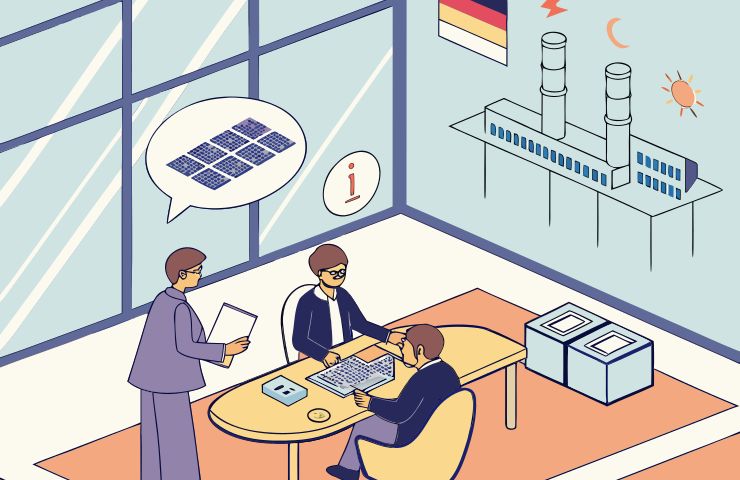
In early 2024, Conagra Brands announced a groundbreaking partnership with Bloom Energy to deploy state-of-the-art solid oxide fuel cell (SOFC) technology at its food production facilities in Findlay, Ohio. This move is set to bolster sustainable power generation while cutting down on carbon emissions and dependence on the traditional electrical grid. By harnessing a cleaner on-site power source, Conagra is positioning itself at the forefront of a broader shift toward innovations in hydrogen fuel cells and clean energy solutions reminiscent of ongoing developments in Toyota hydrogen technology and other zero-emission initiatives.
This initiative comes at a time when corporations worldwide are striving to embrace new technologies that make them resilient, sustainable, and cost-effective. With economic pressures to reduce operational costs and meet rising environmental standards, this partnership serves as a model for industries eager to incorporate sustainable transport of energy and renewable power generation into their business strategies.
Project/Initiative Details
The collaboration sees Conagra Brands, a North American food giant with a rich history dating back to 1919, teaming up with Bloom Energy, a pioneer in fuel cell technology headquartered in San Jose, California. While Conagra has diversified through decades of innovation, recently focusing on frozen meals, snacks, and sustainable packaging, Bloom Energy has been making headlines in the clean energy sector with its versatile SOCF systems that run on natural gas, biogas, hydrogen, or their blends.
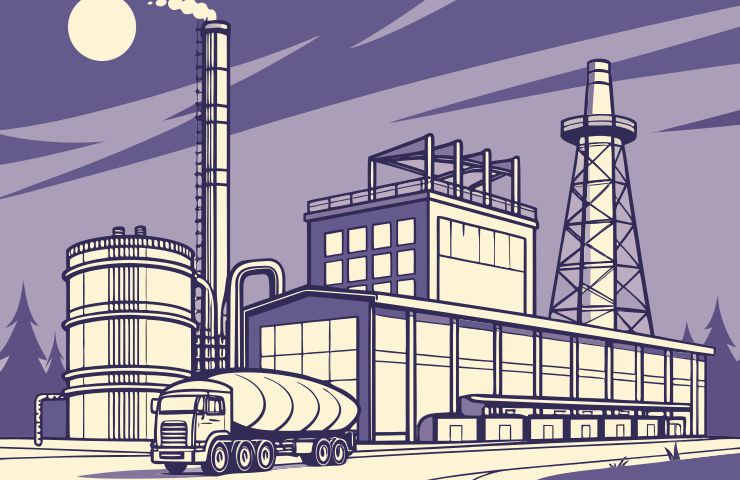
The heart of the project is the installation of Bloom Energy’s SOFC technology at Conagra’s facility in Findlay, Ohio—a region known for its rich agricultural heritage and robust manufacturing background. The technology uses an electrochemical process rather than traditional combustion, effectively minimizing the emission of pollutants. While the cells are fueled by natural gas in this instance, the capability to switch to hydrogen opens the door for future upgrades towards even lower-carbon or zero-emission technology. This mirrors the broader push seen with innovators such as Toyota, which has been a leader in developing advanced hydrogen fuel cells and sustainable energy systems.
Context and Background
This initiative is not happening in isolation. Over the last few decades, the global push for clean energy and reduced carbon footprints has accelerated, fueled in part by concerns about climate change and strained traditional energy infrastructures. Climate policies and rising consumer expectations have put immense pressure on large corporations to reimagine their operations under an environmentally responsible lens.
Historically, the concept of fuel cell technology has been around for over a century, but only recent breakthroughs in material science and manufacturing have made these systems practical and cost-effective on a commercial scale. The SOFC technology used by Bloom Energy not only promotes environmental sustainability but also ensures a reliable and resilient power supply—an essential factor for a food production facility where uninterrupted operations are critical.
Parallel Examples
A similar transformation is being witnessed internationally. For example, in Asia, initiatives combining hydrogen fuel cells with renewable sources are underway to reduce the region’s reliance on fossil fuels. These projects highlight the global trend towards embracing innovative clean energy technologies. Just as Toyota’s decades-long commitment to hydrogen and sustainable transport has spurred advancements across multiple sectors, the Conagra-Bloom Energy project is part of an international movement towards greener industrial practices.
Short- and Long-Term Implications
In the short term, the installation of fuel cells at Conagra’s Findlay facility promises to reduce operational vulnerabilities associated with grid-dependent power. The direct benefits include a lower carbon footprint, potential government incentives, and cost savings through improved energy efficiency. As energy costs continue to fluctuate, such stability offers a significant competitive edge.
Looking further ahead, the ripple effects of this project could be transformative. For Conagra Brands, successfully integrating Bloom Energy’s innovative power systems strengthens its reputation among investors, particularly those with a keen interest in ESG (Environment, Social, and Governance) mandates. Moreover, by setting a successful model, the project could pave the way for other companies in both the food and manufacturing sectors to jump on board, accelerating the industry-wide adoption of hydrogen fuel cells and other renewable solutions.
On a global scale, the findings from such an initiative may catalyze further investment in the clean energy sector. As we see similar trends from industry leaders like Toyota pushing for sustainable transport and enhancing Toyota hydrogen technology, there is a substantial opportunity for collaborative research, improved efficiency, and innovations that decrease reliance on fossil fuels, ultimately contributing to a more resilient and sustainable energy ecosystem.
Challenges and Opportunities
Of course, no revolutionary project comes without its own set of hurdles. One of the primary challenges of scaling up such technology is overcoming the upfront investment costs and ensuring that the fuel supply, whether natural gas or hydrogen, remains stable and affordable. Regulatory considerations also play a role; companies must navigate a complex technical and policy landscape to implement these solutions effectively.
However, these challenges are balanced by significant opportunities. As policy makers and industry leaders push towards a greener future, companies investing in technologies like hydrogen fuel cells and clean energy infrastructure may find ample government support and incentives to smooth the transition. The potential ripple effects include job creation, especially in regions like Findlay, Ohio, and the spurring of ancillary industries related to renewable energy installations, maintenance, and further technological research.
Call to Action/Future Outlook
Looking ahead, the Conagra and Bloom Energy partnership is a promising beacon for the clean energy sector. It demonstrates that integrating advanced energy systems into traditional industrial operations is not only feasible but also strategically advantageous—both economically and environmentally. If you're involved in the energy sector or just excited about innovations like zero-emission technology and sustainable transport, keep an eye on developments from this project. They could very well serve as a blueprint for similar future initiatives across various industries worldwide.
In conclusion, this pioneering partnership underscores the urgent need to innovate in our approach to power generation. By emphasizing resilience, sustainability, and economic feasibility, industry leaders like Conagra and Bloom Energy are not just responding to present challenges—they're shaping a future where clean energy is the norm rather than the exception. It’s an exciting time in the hydrogen fuel cells arena, and if this development is any indication, the best is yet to come.
About Conagra Brands: Conagra Brands is a leading North American packaged foods company with a long history of innovation. As a major player in the food industry, the company continues to evolve, embracing sustainable practices and clean energy solutions to secure a greener future.