News
California’s Hydrogen Infrastructure Falters: Can the Golden State Recover?
California is on track to miss its 2025 hydrogen station target by 60%, raising serious concerns about the state's clean hydrogen ambitions and the future of fuel cell vehicles.
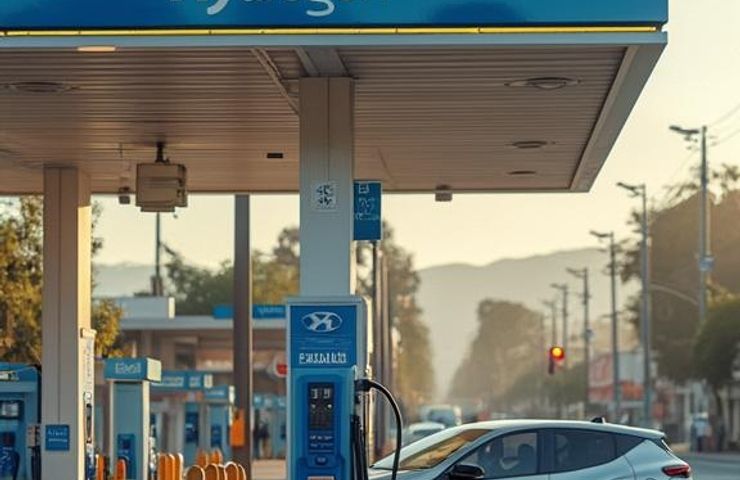
Where Did California’s Hydrogen Ambitions Go?
Not that long ago, California was being hailed as the epicenter of the hydrogen revolution. With bold targets and a strong push for zero-emission technology, the state looked ready to lead the charge into a hydrogen fuel cell future. So, what happened? Well, fast forward to the middle of 2024 and the story has shifted—big time. Instead of the 200 hydrogen infrastructure stations planned by 2025, the state now expects to fall short by more than half. Only about 50 stations are up and running—and with big names like Shell walking away from the market, the whole momentum seems to be stalling out.The Big Picture: Promise Meets Reality
California started strong. Backed by forward-thinking policies like the Low Carbon Fuel Standard (LCFS) and solid support from groups like CARB and the California Energy Commission (CEC), hydrogen investment looked like a safe bet. The idea was simple: power the future with clean, green fuel and build out the network to make it mainstream. But in 2024, that once-promising path has gotten rocky. Growth has sputtered. Hydrogen prices are climbing. Few new stations are popping up, and uncertainty is growing. Add in equipment downtime and the shuttering of key locations—including some run by Shell—and it’s no wonder confidence is fading.If the Hydrogen Stations Go, So Do the Cars
At one point, fuel cell electric vehicles (FCEVs) were seen as a vital piece of California’s green transportation puzzle. They’re quiet, clean, quick to refuel, and go the distance. But here’s the catch—you’ve got to be able to fill them up. And that’s becoming harder by the day. With infrastructure shrinking instead of growing, consumer interest isn’t just cooling—it’s freezing up. As of spring 2025, there are just 50 retail hydrogen stations available throughout California. Another 8 are offline, and only 4 are under construction. While more than 100 stations are reportedly in the pipeline, their rollout has been painfully slow. For early adopters and fleet operators who took the leap into fuel cell technology, it’s a discouraging picture.Prices Climb, Patience Drops
And it’s not just the station count that’s shrinking. Hydrogen production and supply challenges have led to serious price hikes. Fewer stations mean less competition—and that drives up costs. For drivers, it means they’re paying more for the same fuel, often while dealing with long wait times and unreliable infrastructure. Meanwhile, battery electric vehicles (BEVs) are becoming more attractive than ever. Their charging networks are expanding fast, fueled by both public and private investment. For Californians, the decision between battery and hydrogen vehicles is becoming less of a toss-up—it’s starting to look like a one-sided race.When Confidence Wavers, So Do Investments
It’s not just consumers tapping the brakes. Automakers and developers are also reassessing their bets on hydrogen infrastructure. And who can blame them? When a heavyweight like Shell bows out, it sends ripple effects across the whole ecosystem. Projects like ARCHES are still out there, aiming to create long-term hydrogen hubs with clean hydrogen production and broader station coverage. But let’s be real: these initiatives are years from making a serious impact, and they don’t do much to fix the immediate problems that are putting the entire network at risk.The Numbers Don’t Lie
California's hydrogen game plan was nothing if not ambitious. Back in the day, building 200 stations seemed well within reach. But now? By the time 2025 wraps up, the state will likely have just 87 stations open to the public. That’s a whopping 60% shortfall from the original goal. That’s not just disappointing—it’s problematic. Limited infrastructure weakens the market case for FCEVs, and consumers don’t want to drive a car they can’t reliably fuel. And once trust is lost, it’s tough to win it back.A Flicker of Hope?
All is not lost—not yet, anyway. The ARCHES hydrogen hub and continued support from CARB and CEC point to a long-term vision that’s still alive. Transit agencies are still experimenting with fuel cell technology for buses, and the state hasn’t scrapped hydrogen altogether. But unless California addresses the real issues—unreliable infrastructure, rising costs, and fading investment—there’s a real risk it could fall behind in a race it once led. And for a state that prides itself on pushing the envelope, that’s not an outcome it’s likely to sit well with.What Comes Next?
Hydrogen’s role in the transportation mix—especially when it comes to heavy-duty trucks and industrial uses—is still promising. But promise alone doesn’t cut it. Without a strong, reliable hydrogen infrastructure, even the best tech can’t survive. Now it’s crunch time. Will California reinvest and keep pushing forward—or is this the start of a slow fade-out for hydrogen fuel cells in the golden state? One thing’s clear: building a clean energy future takes more than big dreams. It takes follow-through—something California has to prove it can still deliver.How was this article?
Thanks for the feedback!