Middle East Investors Inject £200m into UK Waste-to-Hydrogen Production at Tilbury
£200m from Middle East investors powers Chinook Hydrogen’s waste-to-hydrogen plant at Tilbury. Phase 1 of a £1bn UK hydrogen corridor targeting HGV decarbonization by 2028.
Okay, here’s the deal: Britain’s non-recyclable rubbish could soon be powering tomorrow’s heavy trucks. Some savvy Middle Eastern investors have just dropped a cool £200 million on what might be the UK’s first proper hydrogen production switch.
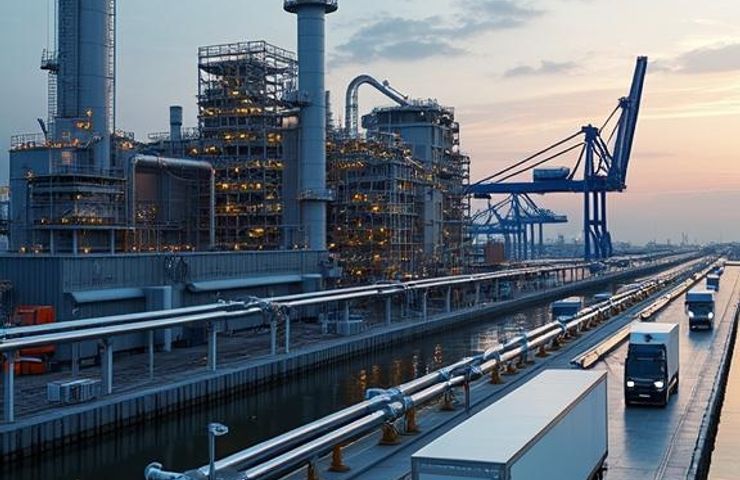
Here’s the lowdown: a group of Middle Eastern backers (staying anonymous for now) has committed £200 million to kick off phase one of a nationwide £1 billion hydrogen corridor. They’re teaming up with Chinook Hydrogen to build a game-changing hydrogen-from-waste plant at the Tilbury Tax Site in Thames Freeport, aiming to fire it up by 2028. Once running, all that non-recyclable waste is gasified and pyrolysed into syngas, cleaned up into >99.9% pure H₂, and turned into green hydrogen for HGVs and industrial users—proof of what a circular, sustainable energy future can look like.
What It Means
- It’s the UK’s first big private plunge into the nascent hydrogen-from-waste arena.
- It ties right into the government’s Net Zero 2050 push, blending waste management with industrial decarbonization.
- Perched on the Thames Estuary, it leverages port, rail and road links to seed a nationwide hydrogen infrastructure.
Technical Dive: Hydrogen-from-Waste 101
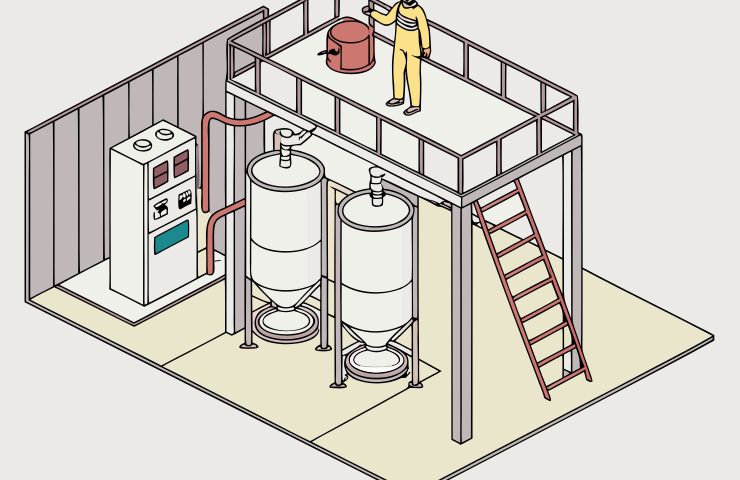
Let’s geek out for a second: it all starts with the stuff you can’t recycle—mixed plastics, textiles, that kind of thing. Through high-temperature gasification or pyrolysis, those carbon-rich materials crack into syngas (a mix of H₂ and CO). A water-gas shift step cranks up the hydrogen content, then pressure swing adsorption polishes it to better than 99.9% purity. The leftover char isn’t waste—it can bulk out cement or serve as a solid recovered fuel, slashing landfill loads and dodging nasty incineration emissions. Hook that H₂ into a fuel cell and your HGVs whisper along with zero tailpipe output.
Strategic Angle
Locking down private capital at this scale is no small feat. UK hydrogen ventures have tripped over funding gaps and shifting policy before. But these Middle Eastern investors aren’t just writing a cheque—they’re betting big that green hydrogen from waste will undercut diesel, thanks to Freeport perks like tax breaks and faster planning. Tilbury sits smack on major ports, rail spines and constant HGV traffic—perfect for a scalable hydrogen infrastructure hub.
Chinook Hydrogen, steered by Executive Chairman Dr. Rifat Chalabi, has carved its niche by turning non-recyclable rubbish into fuel, sidestepping competition with agricultural or utility feedstocks. The vision? Scatter these plants along the M-roads so heavy trucks can top up on cheap H₂ at pit-stops, slashing those pesky ’last-mile’ emissions.
Collateral Impacts
- Job Creation: Hundreds of direct roles on site, plus thousands more in haulage, maintenance and logistics.
- Waste Diversion: Up to 300,000 tonnes of trash rerouted from landfills or incinerators each year.
- Air Quality: Zero-emission fleets mean far less NOx and particulate matter choking freight corridors.
- Tech Ecosystem: Fuel for regional H₂ Living Labs, boosting R&D in hydrogen storage and fuel cell technology.
Context
The Thames Estuary—once dominated by coal and heavy industry—has been rewriting its story for the low-carbon era. The 2021 Freeports push supercharged foreign investment with tariff breaks and planning wiggle room. Tilbury, in particular, has shifted from fossil fuels to renewables and import hubs. Now, decades-old port gear gets repurposed for sustainable energy and a fresh wave of industrial decarbonization.
Perspective
Let’s not sugarcoat it—turning leftover pizza boxes and worn-out trainers into hydrogen sounds like sci-fi. But if it works, it kills two problems at once: shrinking landfill mountains and slashing trucking’s carbon footprint. Sure, private money’s leading the dance now, not public grants—but if energy prices spike or policy support wobbles, this model could stall. On the flip side, a smooth rollout would cement the UK as a pioneer in waste-to-hydrogen, exporting tech and expertise as global decarbonization ramps up.
Closing Insight
By 2028, we’ll see if waste-to-hydrogen is Britain’s dark-horse export or just another idea lost in the estuary fog. One thing’s for sure: no one saw this coming at the local tip.