Linde Doubles Down on CO₂ Liquefaction in Texas, Bolstering Industrial Decarbonization
Linde is expanding its Freeport, Texas CO₂ liquefaction capacity by 2027, capturing emissions from MEGlobal’s facility to meet rising industrial CO₂ demand and drive decarbonization.
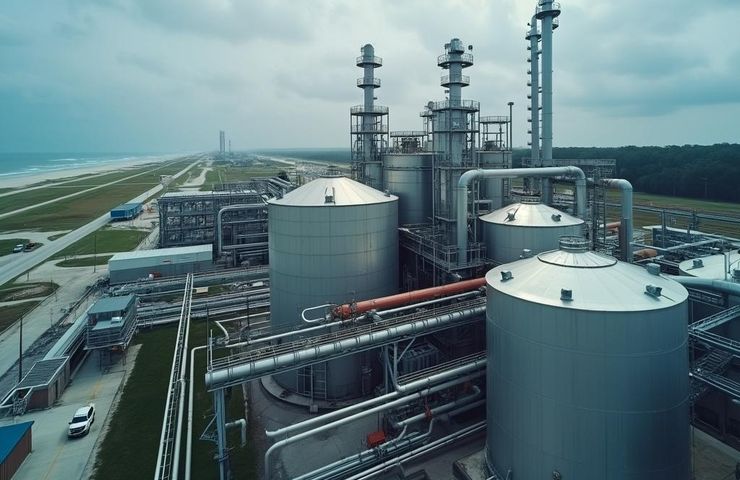
Linde is stepping up its game along the U.S. Gulf Coast, expanding its Freeport, Texas site to double its CO₂ liquefaction capacity by 2027. This isn't just about increasing production — it’s about meeting a growing demand for carbon dioxide across multiple industries, while reinforcing Linde’s role as a leader in industrial decarbonization.
Expansion That Makes Sense: Turning Emissions into Resources
At the heart of this move is a brand-new CO₂ liquefaction plant being built right inside Linde’s current Freeport complex. When it’s up and running, it’ll capture and liquefy CO₂ emissions coming from MEGlobal America Inc.'s ethylene glycol plant, just down the road in Oyster Creek. That facility churns out about 750,000 metric tons of monoethylene glycol — a key ingredient in plastics and industrial solvents.
What’s exciting here is the concept of industrial symbiosis in action — one company’s emissions become another’s raw material. Thanks to carbon capture and utilization (CCU) tech, Linde will intercept CO₂ that would've gone straight into the air and give it a second life in commercial applications.
- Timeline? The new plant is set to go live in 2027.
- What’s being captured? CO₂ from ethylene glycol production — a major industrial emitter.
- Why? To meet booming demand for CO₂ across industries like food and beverage, dry ice, low-carbon fuels, and chemical manufacturing.
- Where? Freeport, Texas — right in the middle of the Gulf Coast’s energy and manufacturing corridor.
Why This Actually Matters
This isn’t just another facility — it’s a playbook for how to turn a greenhouse gas into a valuable commodity. Instead of releasing CO₂ into the atmosphere, Linde captures it, purifies it, and puts it to work. It’s a smart, revenue-generating approach to decarbonizing industrial supply chains.
Another key piece? Linde’s Freeport site already holds an ISCC PLUS certification, which means the facility operates under strict environmental and sustainability standards. In today’s world — where companies are under the microscope when it comes to ESG policies — that stamp of approval could go a long way in setting Linde apart from the pack.
A Gulf Coast Power Move
The Gulf Coast isn’t just conveniently located — it’s stacked with petrochemical, manufacturing, and clean energy facilities. Linde’s expanded presence in Freeport puts it right in the middle of that action, strengthening its regional CO₂ supply network and bringing even more value to a region central to America’s sustainable energy future.
They're not new to the neighborhood, either. Linde’s already running an air separation unit at the site, providing oxygen to MEGlobal’s plant. Adding CO₂ liquefaction to the mix creates a tighter, more integrated operation — connecting raw materials, customers, and tech under one roof.
Why CO₂ Is Having a Moment
CO₂ usually gets a bad rap in climate talks, but here’s the twist — it’s becoming a critical material. A wide range of industries depend on high-purity CO₂, from fizzy drinks and food processing to electronics and even clean hydrogen and ammonia manufacturing. Wild, right?
Even though this specific investment isn’t directly tied to hydrogen, it fits neatly into the broader puzzle. As low-carbon fuels gain traction and emissions data becomes more important, where your CO₂ comes from — and how it’s processed — matters more than ever.
Looking Ahead: Betting on the Future
By the time 2027 rolls around, Linde’s Freeport site will be one of the most advanced CO₂ liquefaction hubs in the U.S. It’s not just a bigger plant — it’s a blueprint for how to scale, stay sustainable, and fully integrate into one of the country's most critical industrial zones. And if there’s one takeaway from all this? It’s that seeing CO₂ not as waste, but as a resource, might just be the mindset shift that makes all the difference.