India’s Largest Green Hydrogen Production Facility to Rise at Panipat, Courtesy of IndianOil
IndianOil gears up to launch India’s largest green hydrogen facility at Panipat by 2027, marking a major leap in hydrogen production, refinery decarbonization, and national clean energy goals.
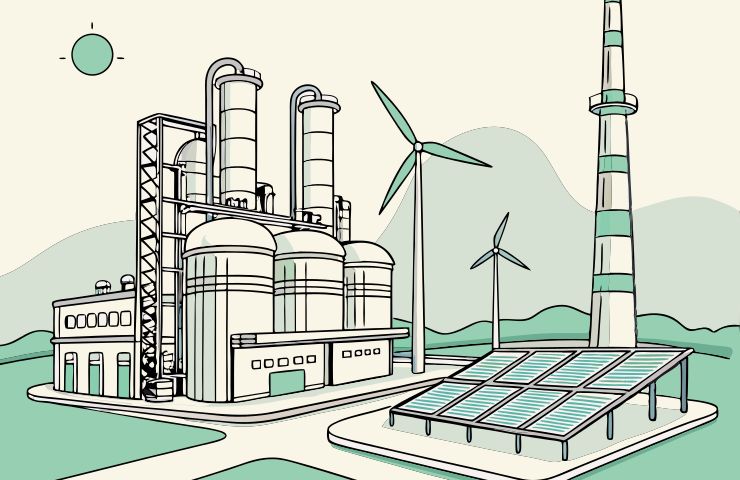
Indian Oil Corporation Ltd. (IOCL) is stepping hard on the gas—figuratively speaking—as it dives into the green hydrogen game in a big way.
On June 2, 2025, the state-run energy giant announced a massive green hydrogen project set to be built at its Panipat Refinery & Petrochemical Complex in Haryana, India. When it’s up and running—slated for December 2027—this facility will be the largest dedicated green hydrogen plant in the country. With this one bold move, IOCL is making its intentions crystal clear: it wants to be at the forefront of India’s clean energy future.
A Turning Point for India’s Hydrogen Vision
This isn’t your average energy upgrade. This is a milestone moment in India’s push toward industrial decarbonization. The goal is to produce a whopping 10,000 tonnes of green hydrogen per year at the Panipat site. That number might seem abstract, but here’s what it really means: India is ditching its old hydrogen playbook—based on fossil fuels—and going all-in on zero-emission alternatives.
So, what makes green hydrogen so special? It’s clean. Really clean. Made by splitting water with renewable electricity from sources like solar and wind, it’s a power-packed fuel with no carbon trail. For refineries like Panipat, which currently depend on carbon-heavy methods for producing hydrogen, this is a seismic shift.
IOCL Bets Big on Transition
This isn’t just a one-off project for IOCL—it’s the launchpad for something much bigger. The company is aiming for 350 kilotons per annum (KTPA) of green hydrogen production by 2030, and the Panipat facility alone will knock out nearly half that target.
IOCL’s already done its homework—its levelised cost of hydrogen (LCoH) is locked in, vendor bids are rolling in, and things are moving from drawing board to reality. Once operational, the plant’s hydrogen will replace fossil-derived supplies currently used in key refinery operations like desulfurization and hydrocracking—a big win for industrial decarbonization.
That push ties directly into the government’s National Green Hydrogen Mission, which aims to position India as a global powerhouse in green hydrogen and spin-off products like clean ammonia.
Why Panipat and Why Now?
IOCL didn’t choose Panipat on a whim. As one of the company’s biggest integrated refining and petrochemical hubs, it’s the perfect place to make a real dent in carbon emissions. If India wants to hit its long-term net-zero targets, cutting down the carbon footprint of high-consumption industrial sites like Panipat is non-negotiable.
Plus, using an existing industrial zone means IOCL can plug into established infrastructure—utilities, transport links, skilled manpower. All that helps keep early-stage hydrogen production costs in check as the market—and technology—matures.
Wider Implications for India’s Hydrogen Economy
This kind of investment isn’t just good PR—it’s a wake-up call. Projects like Panipat have ripple effects. Demand for supporting tech—like electrolysis systems, hydrogen storage, and even fuel cell technology—is bound to take off. And if India plays its cards right, it could become a serious player in the global hydrogen infrastructure arena.
But beyond the tech and the tons of hydrogen produced, what this really signals is intent. IOCL isn’t just doing this because it has to; it’s betting heavy on the idea that sustainable energy is where the world—and the market—is heading. This project could be the launching pad for new jobs, tech innovation, and a strategic shift away from costly fossil fuel imports.
There may even be room for hydrogen exports down the road, especially as more countries start shopping for clean fuels to hit their own climate goals. While the company hasn’t yet put out the hard data—stuff like carbon savings, water use, or energy input per kilogram of hydrogen—the move speaks for itself: this is big, green, and aimed squarely at the future.
A Benchmark for Other Players?
With IOCL leading the charge, other major players in India’s energy landscape—public and private—might want to take notes. Green hydrogen isn’t just a government mandate anymore; it’s fast becoming a business necessity, especially with ESG metrics and carbon rules tightening across the board.
Sure, 2027 sounds far off, but building out a full-fledged hydrogen infrastructure—with everything from renewable power hookups to supply chain logistics—takes serious time. IOCL’s head start here could give it a leg up as demand kicks in.
Bottom line? Panipat isn’t just evolving—it’s giving us a peek into the direction India’s energy playbook is headed. And if this is the opening act, there’s a lot more to come.
About the Company
Indian Oil Corporation Ltd. (IOCL) is India’s largest commercial oil company and is fully owned by the Government of India. It operates across the entire hydrocarbon value chain—from exploration and refining to petrochemicals and marketing. With the Panipat green hydrogen initiative, IOCL is making a bold statement: it’s ready to lead India’s charge into a cleaner, greener energy era.