Hydrogen UAV Scale-Up: Feiruide and SHPT Target 1,000 Drones for Long-Endurance Missions
Feiruide and SHPT have teamed up to develop and deploy 1,000 hydrogen fuel cell UAVs over the next three years, targeting long-endurance missions and building real-world data on safety, economics and hydrogen infrastructure.
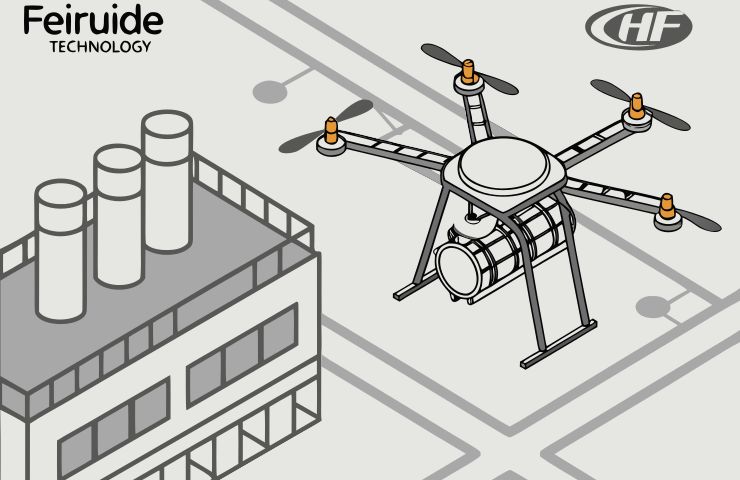
This month, there’s some exciting stuff happening in Shanghai as a new partnership looks to launch hydrogen-powered drones into the mainstream. A local UAV manufacturer is teaming up with one of the top fuel cell developers in China. The goal? To roll out a fleet of 1,000 hydrogen drones over the next three years for various uses, like inspections, mapping, and emergency responses.
Joining Forces for a Common Goal
Jiangsu Feiruide Technology Co., Ltd. is no stranger to the game; they’ve got solid experience designing and building hydrogen drones, from the lightweight airframes to smart flight systems. Their flagship model, the FR50, has already impressed folks by meeting general aviation safety standards and snagging awards at the national hydrogen UAV challenge. On the flip side, Shanghai Hydrogen Propulsion Technology Co., Ltd. (SHPT), with backing from SAIC Motor, is all about creating fuel cell components like membrane electrode assemblies and compact air-cooled systems that were initially made for cars and trucks.
Engineering for Performance and Safety
A key piece of this partnership is adapting SHPT’s innovative fuel cell modules for use in multi-rotor drones, all while meeting China’s GB/T 38954-2020 power standards for UAVs. These fuel cells convert compressed hydrogen into DC electricity, featuring safety measures like leak-rate controls and automatic shutoff if hydrogen concentration goes over 0.5%. Plus, they come with tough enclosures rated IP54. When combined with hydrogen tanks and auxiliary batteries, these systems can achieve two to four hours of flight time—much longer than typical lithium-ion setups, and they can be refueled in just minutes!
Big Plans for China’s Low-Altitude Economy
The low-altitude economy in China—which plays a big role in aerial inspections, surveying, agriculture, and rescue operations—is expected to explode, reaching trillions of yuan by the mid-2030s. This partnership aims to tackle the demand for reliable, long-range drones that can turn around quickly. With Feiruide’s manufacturing base in Jiangsu and SHPT’s fuel cell R&D facilities in Shanghai’s Jiading District, they are setting up an innovative hub for collaboration. They’ll work together on integrating their technologies, flight testing, and refining products to meet the needs of industrial clients.
But it doesn’t stop there; they’re also focused on building a hydrogen ecosystem. This includes sharing best practices for handling hydrogen, training service partners, and helping to shape new regulations and standards. By aiming for a fleet of 1,000 drones, they hope to gather insightful data on operational costs, safety, and hydrogen logistics. These insights won’t just benefit the drone sector but will also inform fuel cell applications for vehicles on the ground.
Building on Success
This initiative follows some impressive milestones in the hydrogen UAV scene, such as the Tianmushan-1, which covered almost 189 km in a single flight, and the “Hang Yuan” drone, which showed off an endurance of 2 to 5 hours with quick refueling. There’s also been a surge in export orders for agricultural hydrogen drones, highlighting a rising market demand. The collaboration between Feiruide and SHPT aims to push beyond just pilot projects and move into scaled production and services.
For SHPT, the UAV sector represents a natural growth area from its automotive fuel cell path, providing even more scale for their 1.5 to 270 kW products and validating their air-cooled stack designs. In turn, Feiruide will benefit from adopting automotive-grade safety protocols and hydrogen leak detection systems, helping solidify its position among China’s pioneers in hydrogen drones.
Looking Ahead
Setting the target of deploying 1,000 hydrogen drones in just three years is ambitious, but pulling it off could mean a significant shift from niche projects to regular, zero-emission aerial operations. It could also set a standard for how hydrogen infrastructure—spanning production, storage, distribution, and refueling—can be integrated into everyday operations. As regulations for certification of hydrogen drones evolve and operators adjust to new safety measures, this partnership could serve as a great example of scaling hydrogen fuel cell tech across multiple industries.
In a world where energy transition meets digital innovation, the agreement between Feiruide and SHPT is a big step forward, turning the vision of long-endurance, quick-refueling flight into tangible, commercial services. It shows just how far the hydrogen movement is evolving and what it holds for the future!