
Ramboll to Lead Engineering Assurance at Barrow 30 MW Green Hydrogen Hub
Ramboll will act as Owner’s Engineer on the 30 MW Barrow Green Hydrogen project, overseeing PEM electrolysis, pipeline delivery and integration with Kimberly-Clark’s plant to halve gas use and cut over 18,000 tCO₂ annually.
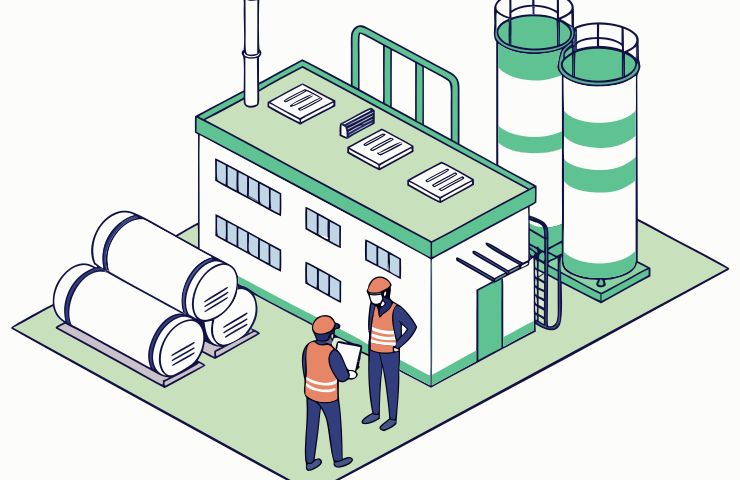
Ramboll has been tapped as the Owner’s Engineer for the 30 MW Barrow Green Hydrogen project, right in the bustling area of Barrow-in-Furness. This project is set to convert renewable electricity into green hydrogen right next to Kimberly-Clark’s tissue mill, using a process known as PEM electrolysis. The hydrogen produced will be delivered through a dedicated pipeline, aimed at cutting down the site’s natural gas usage by nearly half, which is expected to slash CO₂ emissions by an impressive 18,300 tonnes annually. This initiative is not just about emissions; it's paving the way for wider hydrogen infrastructure across the UK.
Making the Shift from Plans to Action
Getting Ramboll on board marks a significant milestone in pushing this project from the drawing board into reality. Acting as the Owner’s Engineer, they’ll provide independent oversight throughout the detailed engineering, construction, installation, and commissioning stages. This means they’ll be involved in everything from contract administration to design reviews, and even real-time support on-site. A major part of their job will be leading hazard and operability (HAZOP) studies to ensure top-notch safety at every stage before hydrogen makes its way into the system. Their goal is to manage technical risks effectively and make sure the Plug Power electrolyser units are smoothly integrated with the utilities and controls on site.
Diving into the Tech: PEM Electrolysis Explained
The core of the Barrow hub is really all about those 30 MW of proton exchange membrane (PEM) electrolysers brought in by Plug Power. So how does it work? Well, these units take water and split it into hydrogen and oxygen using direct current (DC) power from nearby solar and other renewable sources. At the anode, water gets oxidized into oxygen, protons, and electrons. The protons then travel through the polymer membrane to the cathode, where they combine with electrons to create hydrogen gas. Meanwhile, the oxygen is vented off, and the hydrogen is prepped for transport—it gets dried and compressed for that essential final journey.
Maintaining the integrity of the membranes and ensuring efficient operation at high current densities calls for reliable water treatment and power systems. The agility of PEM technology fits perfectly with the unpredictable nature of renewable energy sources, enabling the plant to ramp up hydrogen production in line with solar availability. Once that hydrogen is generated, it doesn't just sit there; it’s pushed through a specially engineered pipeline—about 500 meters long—that’s built with industrial safety standards in mind. At the Kimberly-Clark facility, there are pressure regulators and safety valves in place to guarantee a smooth integration with upgraded boilers and burners. This setup allows hydrogen to replace a big chunk of the natural gas that’s been traditionally used for heating processes.
As part of their responsibilities, Ramboll will verify the pipeline design, examine compressor specifications, and oversee all the commissioning steps. By installing everything in phases—starting with electrical, water, and control systems before introducing hydrogen—they’re not just cutting down risk. They’re also ensuring that each subsystem is validated individually. This method helps secure a safe transition and provides valuable operational data that can guide future scaling decisions.
Capitalizing on Support: A Strategic Approach
Behind the scenes, the Green Hydrogen Energy Company (GHECO), a collaboration between Carlton Power and Schroders Greencoat, is steering this project. They’re combining their development expertise with a strong interest from private capital in green hydrogen production. The project has snagged competitive revenue support through the UK’s first Hydrogen Allocation Round (HAR1) and has been highlighted by the government as a flagship decarbonization hub.
The green light for funding was given when Plug Power committed to supply its GenEco electrolyser earlier this year, paving the way for Schroders Greencoat’s financial backing. Plus, the off-take agreement with Kimberly-Clark gives a glimpse into the long-term revenue landscape, as this global consumer goods corporation is eager to cut emissions across its operations. It’s estimated that this hydrogen facility will deliver about 100 GWh of clean energy each year, significantly reducing gas usage in steam and heat processes by up to 50%.
On a regional level, local stakeholders such as the Cumbria Local Enterprise Partnership, Cadent Gas, and Electricity North West are coming together to tackle planning and grid connection issues, showing how important multi-sector collaboration is for scaling hydrogen clusters.
Context: A New Chapter for Barrow-in-Furness
Barrow-in-Furness, which used to be a hotspot for shipbuilding and steelmaking, is now pivoting towards advanced manufacturing and energy projects. The Meeting Industrial Estate, where the plant is set to be, has the advantages of established grid access and a skilled workforce. With local income levels being mixed but generally above national averages, investing in green hydrogen can really strengthen the economy and secure jobs in the skilled labor market.
The site’s close proximity to offshore wind potential, along with existing energy infrastructure, makes it a prime spot for on-site hydrogen production. Rather than going the long distance for gas transmission, this dedicated pipeline minimizes complications and potential losses during transfer. Plus, it lays the groundwork for future expansions into nearby industries or even transport applications.
This fits right into the regional strategies that aim to nurture industrial clusters for low-carbon growth, further solidifying Cumbria’s role in the emerging UK hydrogen landscape and supporting local authorities' efforts to reduce emissions and draw in investments.
The Bigger Picture: What This Means for UK Hydrogen Infrastructure
The Barrow project transitioning from planning to execution provides a real-life model for future hydrogen infrastructure. It’s a live test of how policy frameworks like HAR1 work in practice, looking at everything from environmental permits to revenue models. The engineering support from Ramboll will generate insights on managing risks, interface complexities, and commissioning protocols, which could streamline future projects and approvals.
Having operational data on how the electrolysers perform with variable renewable inputs, along with insights on pipeline integrity and the interaction with large industrial heat users, will help shape technical standards and necessary adjustments to grid codes. If all goes according to plan with production and emissions targets, it could boost confidence in public-private partnerships as a means for decarbonizing tough-to-abate sectors and inspire the rollout of cluster-driven hydrogen hubs all over the UK.
Moreover, the sheer emissions savings—over 18,000 tonnes of CO₂ each year—will play a big role in helping the nation hit its net-zero targets. The learnings from the permitting processes could even lead to improvements in environmental assessments and safety regulations for hydrogen facilities.
As we get closer to commissioning this system, performance metrics—like hydrogen output cost and supply continuity—will definitely be under the microscope by policymakers and investors. With Ramboll overseeing everything, there’s a mission to hit those targets and firmly establish green hydrogen’s place in the UK’s industrial decarbonization efforts. The success of this mini-hub could just be the stepping stone for more projects that connect clean hydrogen production directly with heavy industry.


