Getech to Map Europe-Wide Natural Hydrogen Potential
Getech and Trinomics secure an EU contract to map Europe-wide natural hydrogen reservoirs and craft regulatory frameworks using geophysical data and unified subsurface models.
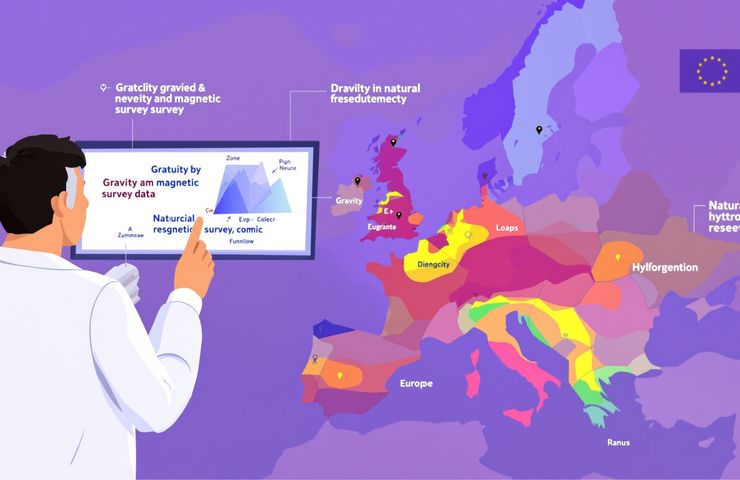
The European Commission’s Directorate-General for Internal Market, Industry, Entrepreneurship and SMEs, or DG GROW for short, is diving into something really exciting: a comprehensive Europe-wide assessment of natural hydrogen potential and the regulatory landscape surrounding it. This ambitious project is being led by Trinomics B.V., which will take the reins on policy and regulatory analysis, while Getech Group plc steps in to work its magic with geological mapping, using their unique gravity and magnetic datasets along with the powerful Globe geoscience platform. The study is set to unfold over the next 12 months and is valued at over €1 million for Getech, spread across the fiscal years 2026 and 2027.
Natural Hydrogen in Focus
Unlike conventional methods of generating hydrogen—like electrolysis or steam methane reforming—natural hydrogen forms through subsurface processes such as serpentinization and radiolysis. Over time, hydrogen can move along faults and fractures, piling up in spots similar to how traditional gas reservoirs form. So far, Mali is the only place with a village-scale field that’s made practical use of it, and overall global production is still in its infancy. By pursuing this extensive mapping initiative, the EU hopes to address critical data gaps regarding where natural hydrogen could be found, how recoverable it is, and its environmental impacts before we dive into big-time development.
Geophysical Mapping with Globe
Getech is planning to harness its top-notch gravity and magnetic datasets to map out what’s lurking beneath Europe’s surface. Gravity surveys, for instance, spot differences in density to reveal features like sedimentary basins and ultramafic bodies, while magnetic data can pinpoint areas filled with magnetized rock. These insights will feed into Getech’s Globe platform, which cleverly integrates different data sources into cohesive models detailing crustal evolution and structural frameworks. By harmonizing interpretations, they’re reducing the inconsistencies found in various national datasets, enabling smoother cross-border comparisons.
With their comprehensive approach, analysts will layer geophysical grids with geological mapping and seismic info to pinpoint those “sweet spots” where hydrogen-generating reactions are most likely to happen and where subsurface H2 might gather. By identifying broad regions rich in potential, Getech can streamline the process and cut down on the costs tied to fieldwork and exploratory drilling.
Europe’s Diverse Geology as a Playground
Europe's rugged terrain, with its mix of ancient crystalline shields, sedimentary basins, and tectonic zones, offers fantastic potential sites for natural hydrogen to thrive. Consider the ultramafic outcrops in the Massif Central or the rift systems in Eastern Europe—these could be prime locations where serpentinization occurs. Plus, the Precambrian shields might hold tightly sealed accumulations via radiolytic processes. By employing consistent subsurface models throughout all member states, this project is aiming to bridge the data gaps and ensure that regional prospects are assessed fairly and comprehensively instead of through disjointed national studies.
There’s been some buzz recently in the academic and governmental circles about the future of natural hydrogen. The US Geological Survey rolled out a prospectivity map for the contiguous states, and dedicated hydrogen wells have popped up in France’s rift basins. The EU initiative will build on this momentum, enforcing standardized data to be shared across all member states.
Regulatory and Strategic Implications
Trinomics B.V. isn’t just about geology; they’re also leading the charge in policy and regulatory analysis. They’ll develop fresh licensing options, environmental protections, monitoring obligations, and rules for decommissioning. The goal? To prevent a mishmash of regulations across nations, providing a more stable legal framework for future projects.
This entire effort aligns with the broader EU Hydrogen Strategy and the European Green Deal, which have primarily focused on green hydrogen made through renewable-powered electrolysis or carbon capture methods. A solid grasp of the natural hydrogen resource potential could help diversify the hydrogen mix, possibly offering high-purity H2 with a smaller land footprint if environmental risks are managed well.
Environmental and Market Considerations
Extracting natural hydrogen could mean a lighter carbon footprint since the gas forms naturally through geological processes. But it’s not all smooth sailing; we still have to evaluate possible impacts from drilling, land use, water interactions, and even potential seismic activity. A thorough study at the EU level can help quantify lifecycle emissions in relation to green hydrogen, pinpoint high-risk areas, and create guidelines to protect both groundwater and ecosystems.
On the investment front, having credible EU-level data on resource volumes and how extractable they are will heavily influence decisions. If they find significant accumulations that are economically viable, we could see an increase in exploration funding, new pilot projects, dedicated pipelines, and even hydrogen storage hubs. But if it turns out resources are limited or risky, that clarity will reinforce the push for renewable hydrogen options, making sure capital is allocated wisely.
For Getech Group plc, landing this contract is a milestone, marking one of their biggest technical awards yet. It highlights their shift from traditional hydrocarbons to services focused on the energy transition, including geothermal and critical minerals. This boost in revenue will help propel further development of natural hydrogen workflows, solidifying their role in the subsurface data consultancy space.
Looking ahead, all eyes will be on the findings from this study. Set to wrap up next year, the final report promises to map out the natural hydrogen landscape in Europe, evaluate its technical and commercial viability, and suggest unified regulatory frameworks. What they discover could either pave the way for a new chapter in Europe's hydrogen supply or confirm that manufactured pathways are still the most practical route toward decarbonizing our energy system.